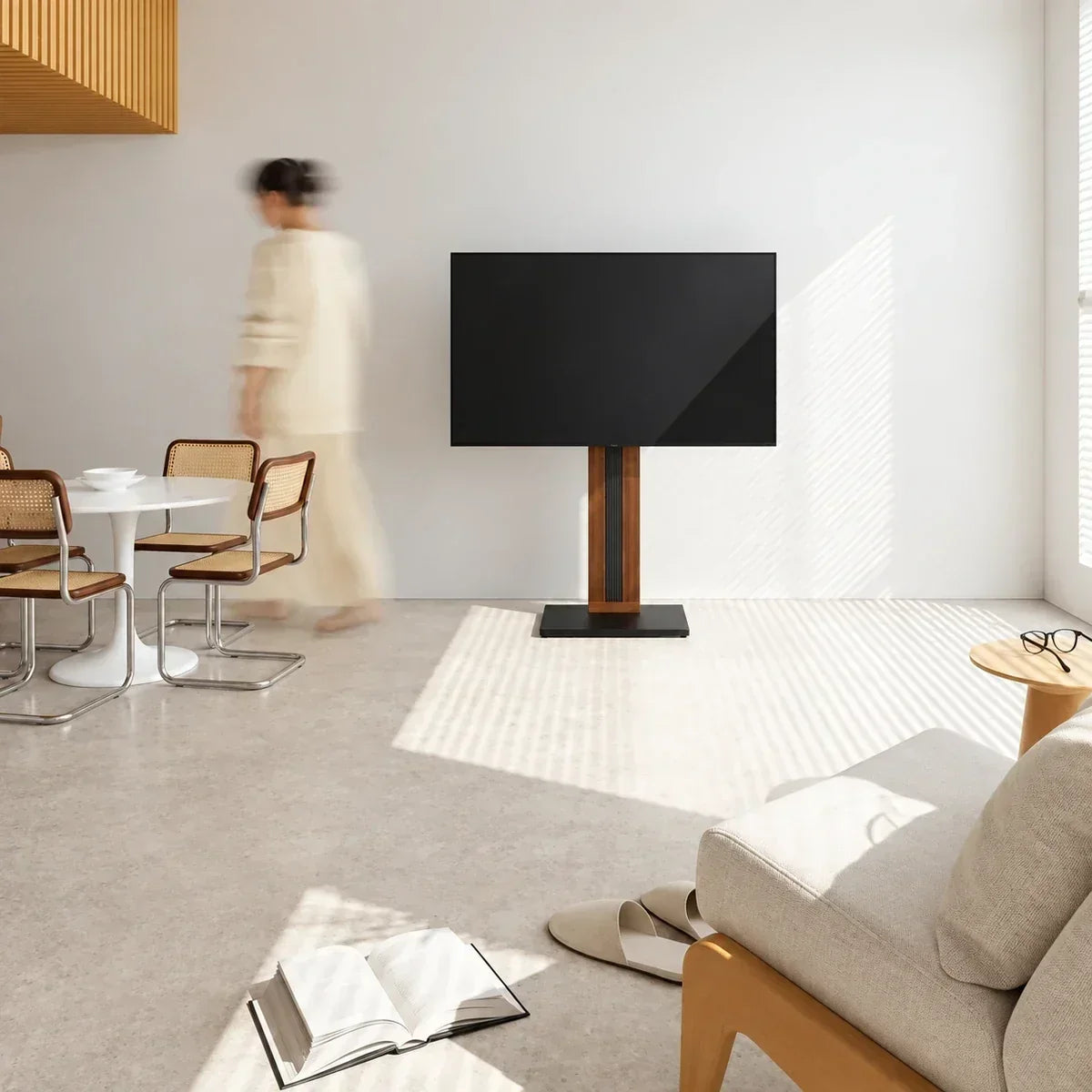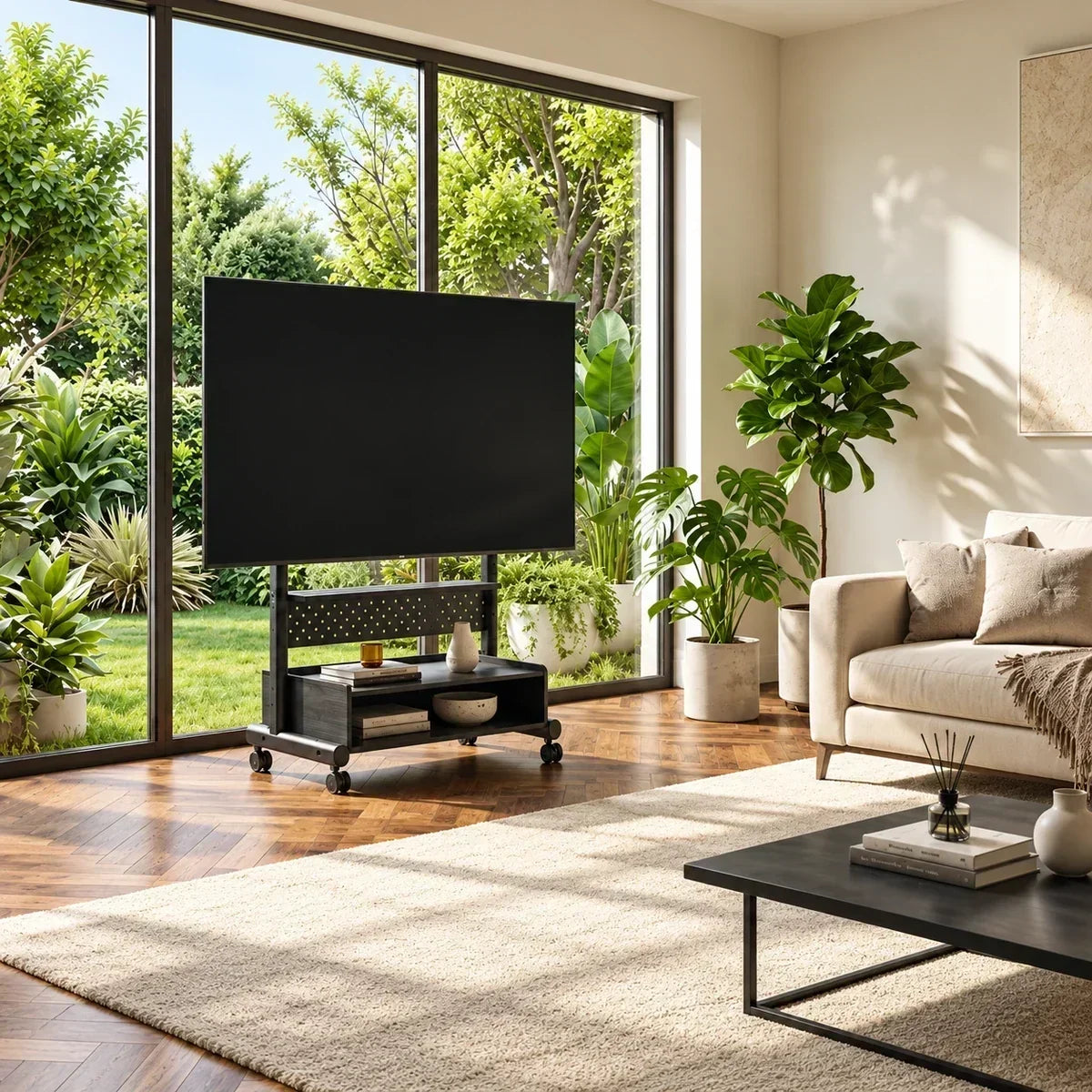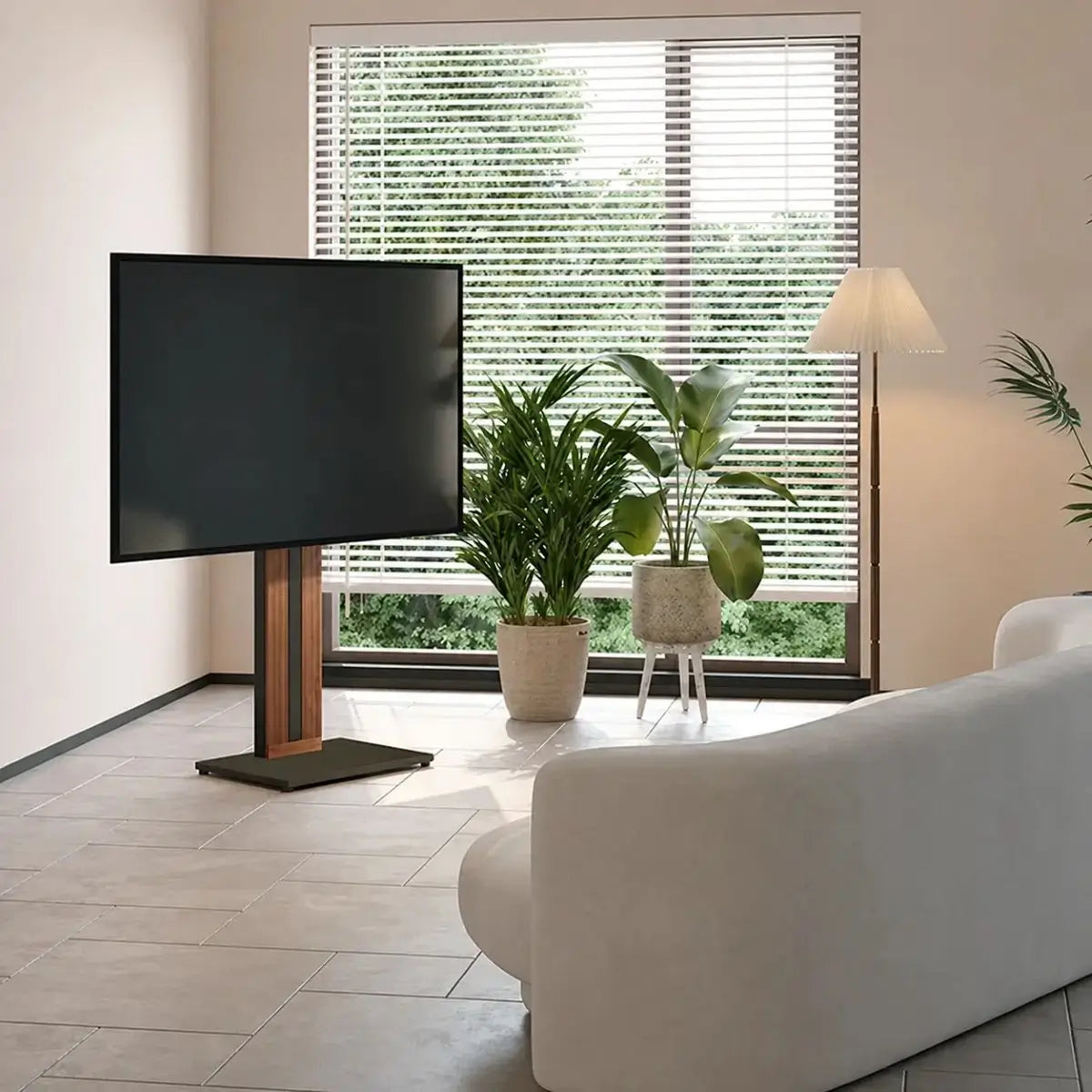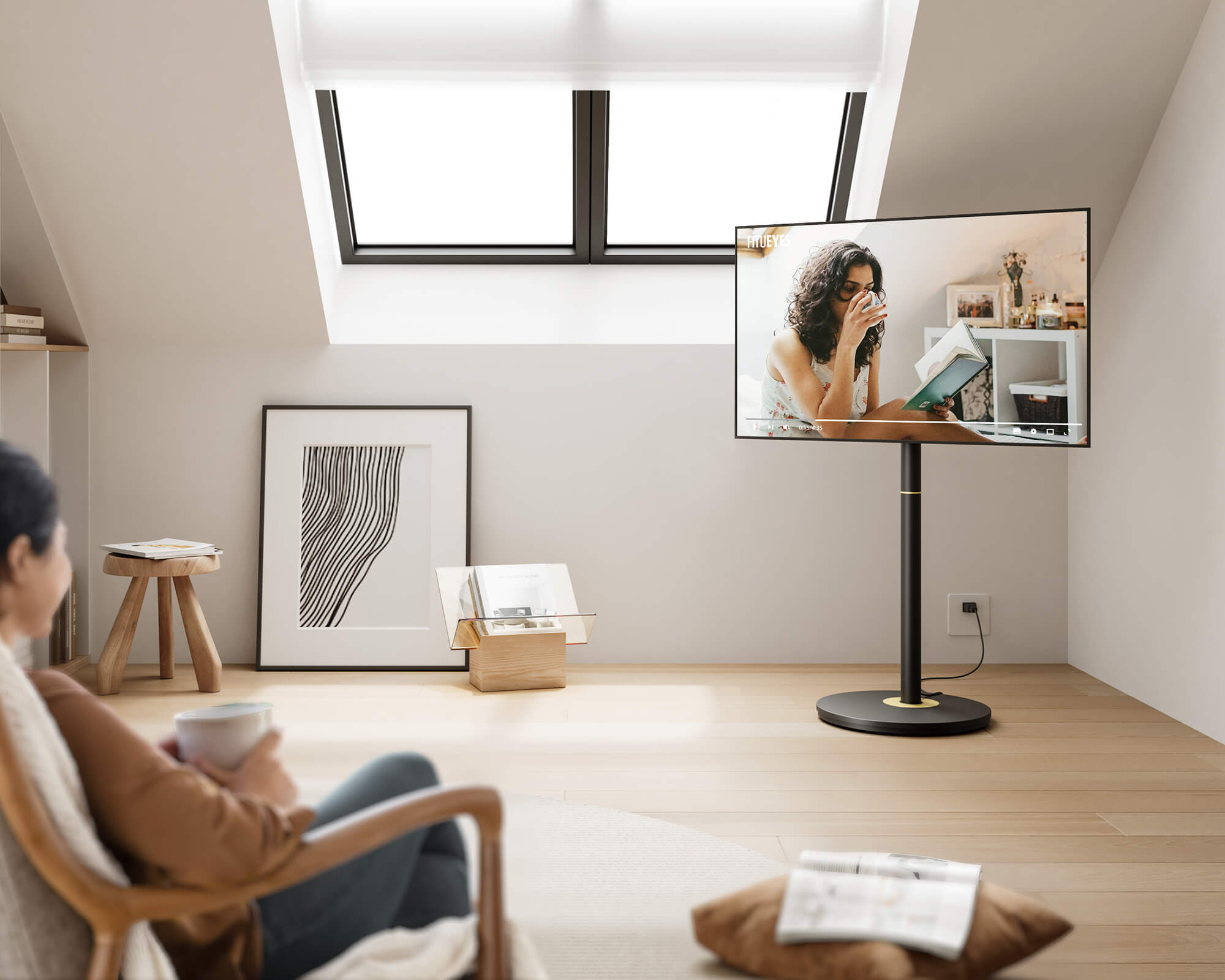



A great listening corner does more than hold a turntable. It steadies the gear, tames vibration, and keeps albums within easy reach so the needle drops without fuss. The right furniture turns a pile of components into a calm, good-looking space that’s ready whenever the mood hits.
Start with rock-solid support
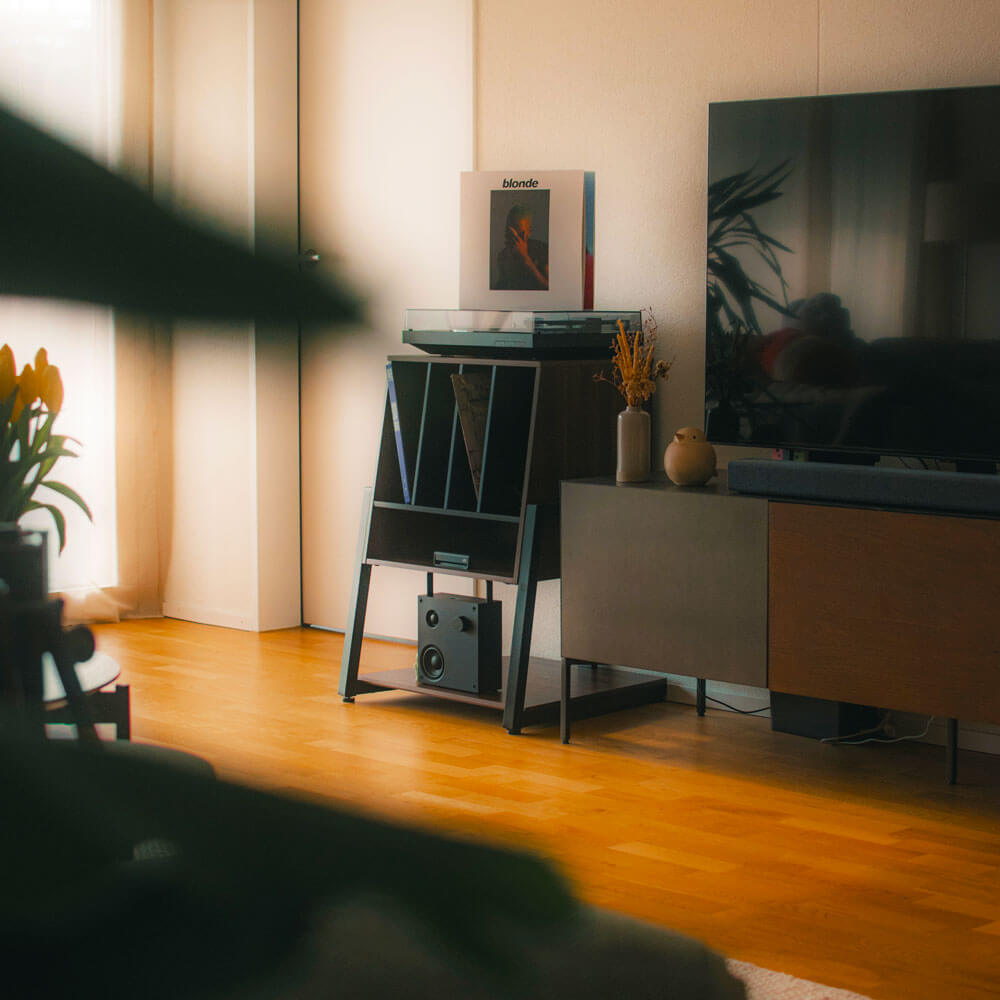
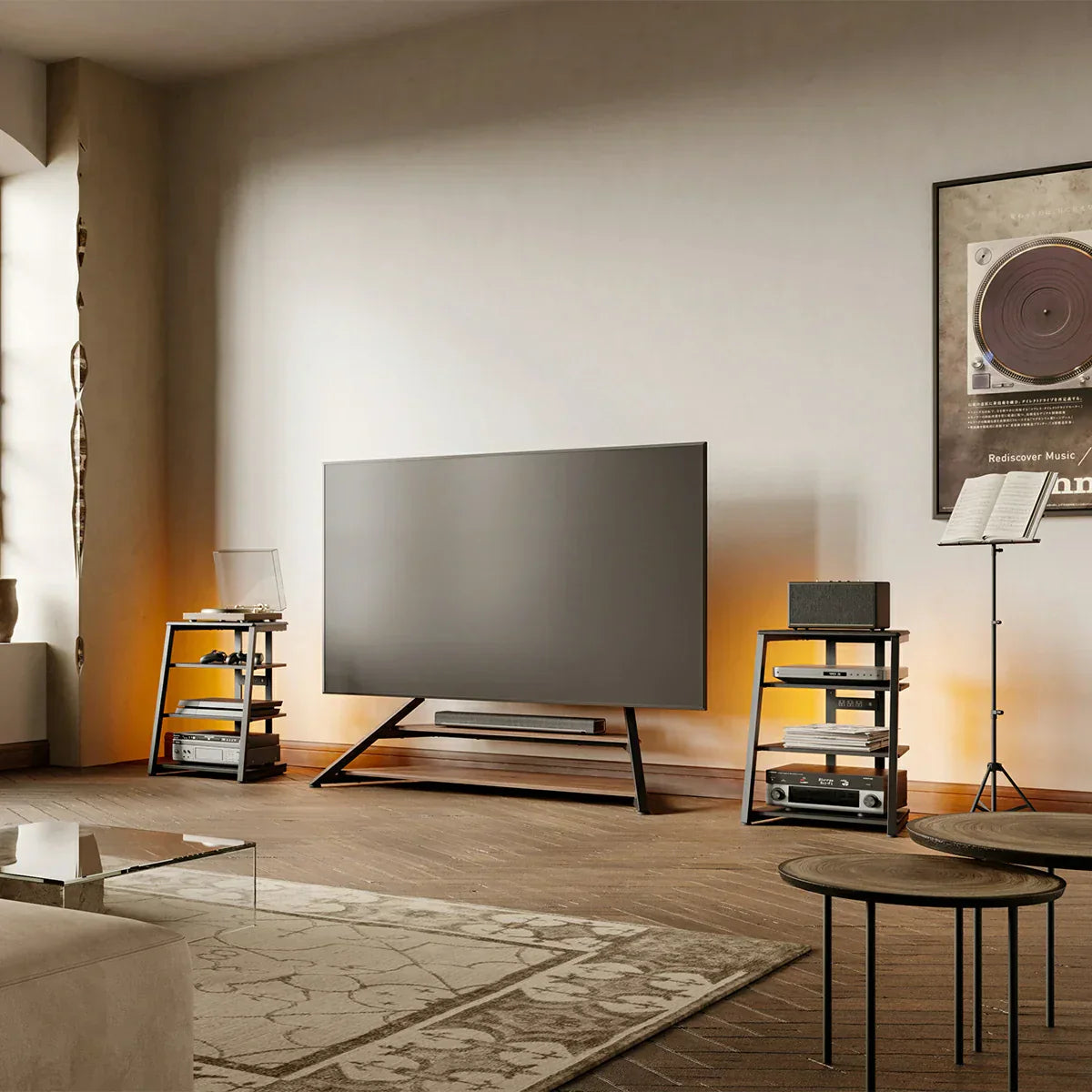
Sound quality begins at the base. If a stand wobbles, the stylus feels it. Select a record player cabinet that has a solid frame, supportive shelves and has movable legs to perfect the position of all items on either wood or carpet flooring. Set the goal of the platter standing around counter height, about 36 to 40 inches, such that cueing is comfortable. Before wiring anything, check with a small bubble level and make micro adjustments until the surface is truly flat.
The simplest option is an all-in-one record player stand with storage, which keeps everything compact and functional.
Smart placement, less noise
Keep the vinyl record player away from heating vents and sunny windows to protect both discs and electronics. Signal cables and power cords of separate paths should be laid separately, and seriously considered against long, parallel runs that invite hum. To insure against spikes of power, a UL listed surge protector of 120 V is just a mere insurance policy. If floors are lively, slip isolation pads under the stand to reduce footfall.

Speakers that “click” with the room
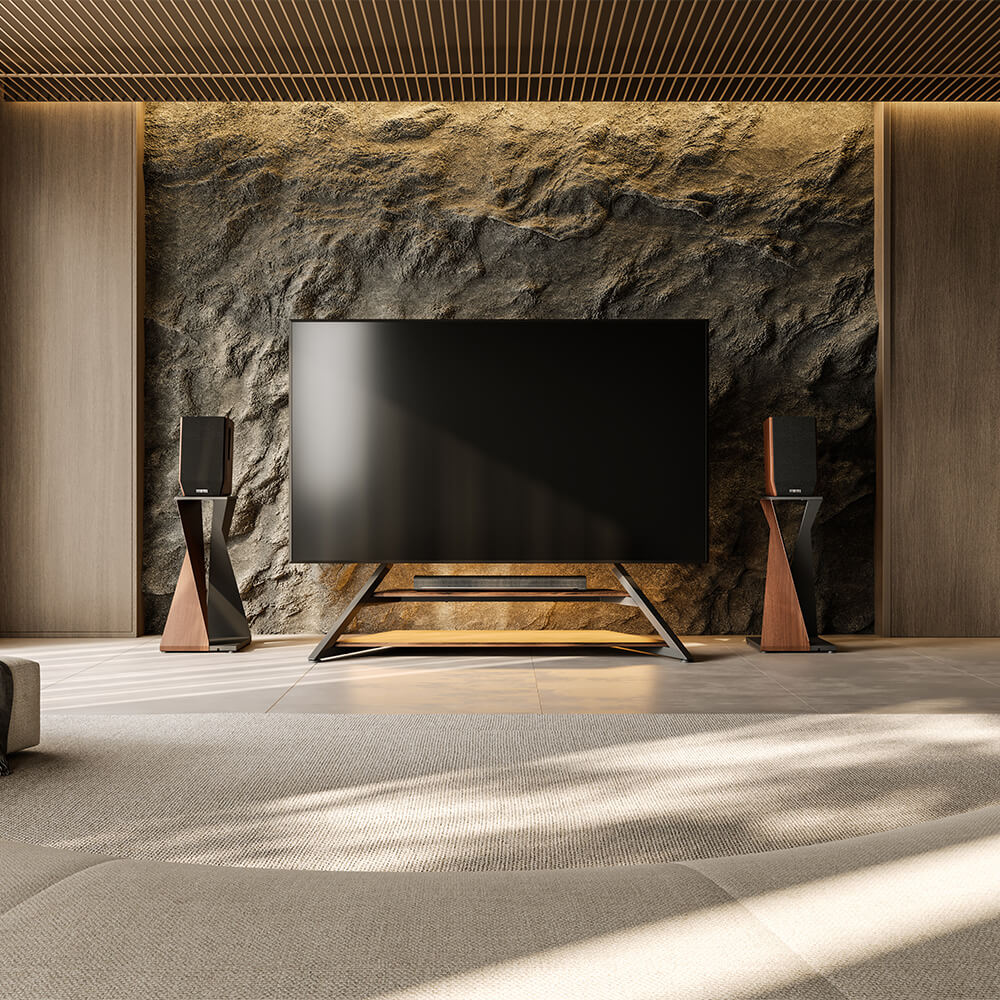
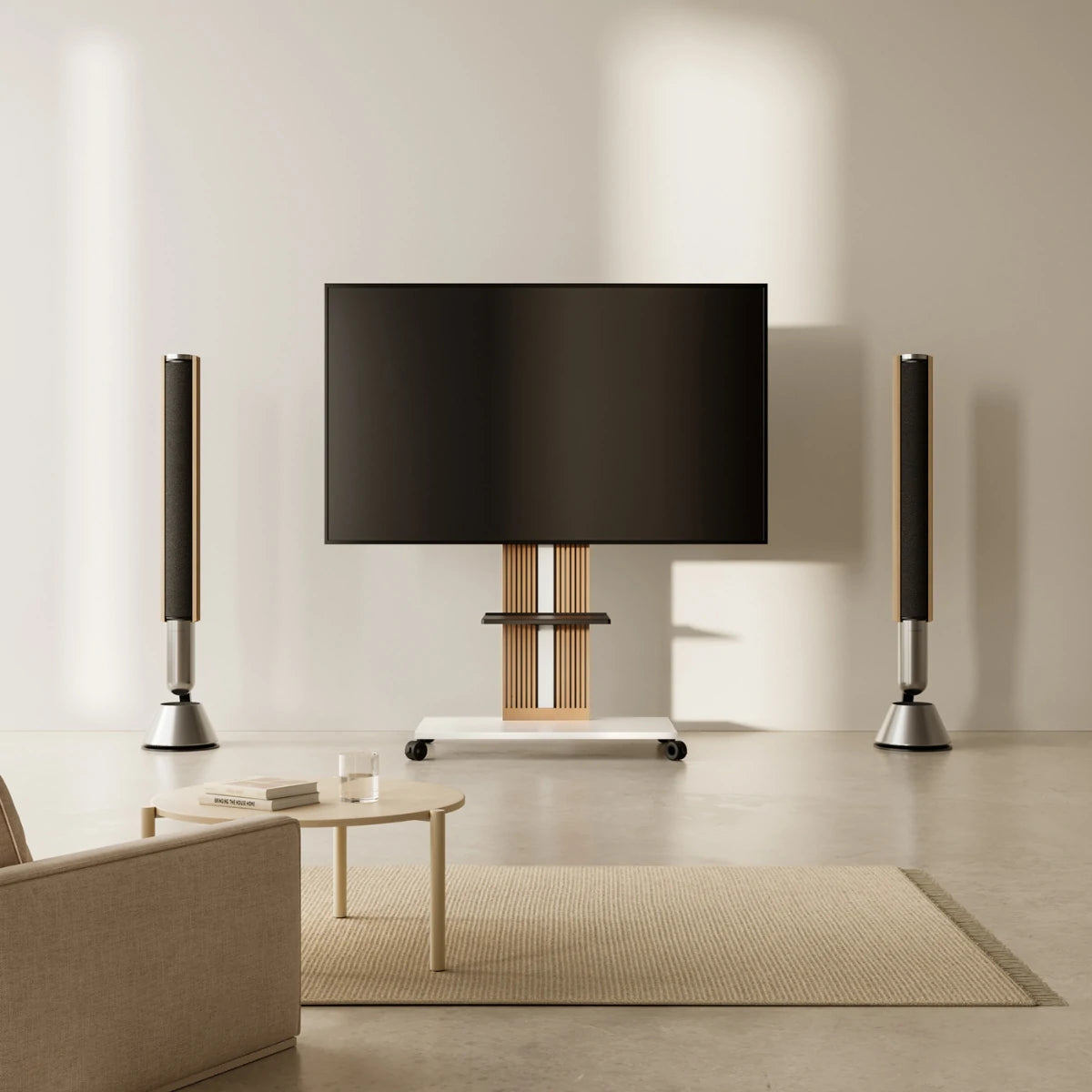
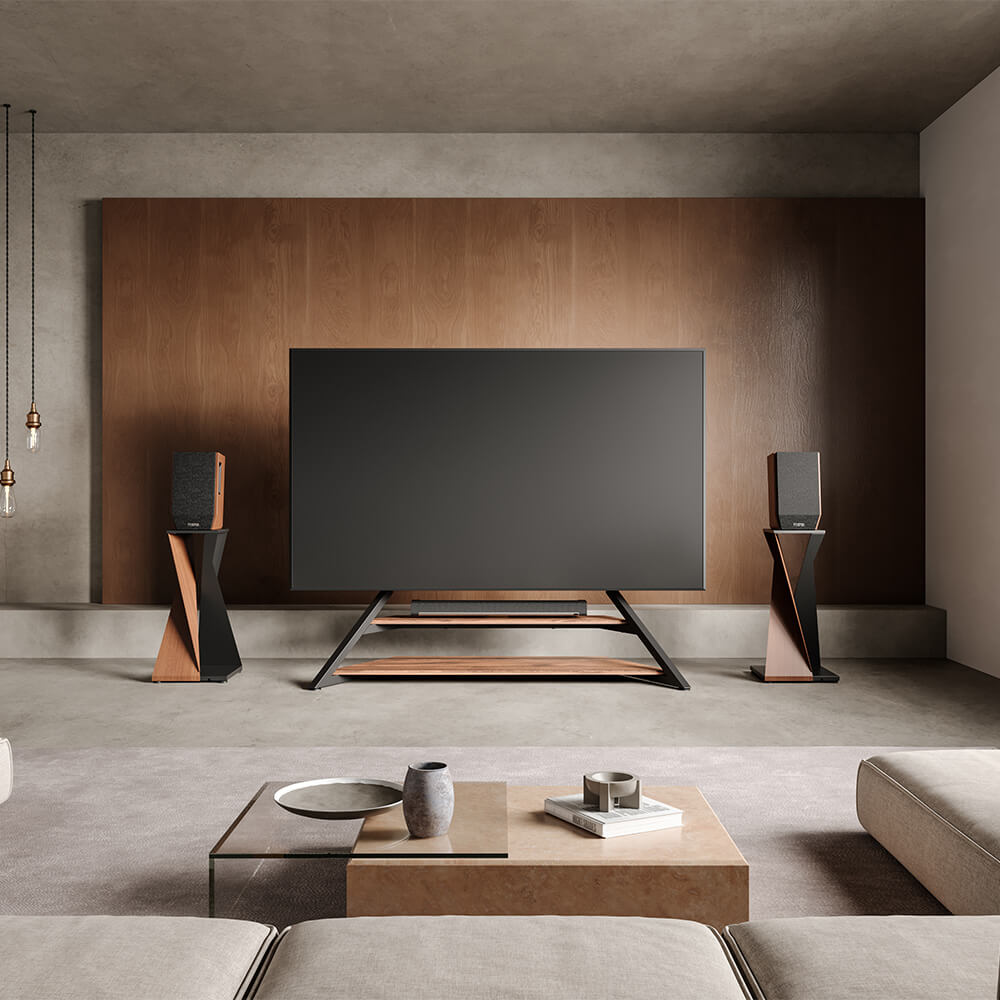
Set northern end speakers and chairs in a triangle, and then gain a little by tying the speakers to center sound. Start with equal distance from each wall, about 18 to 24 inches away, and adjust by small moves rather than big swings. Firm bases or spikes must be black, then, on rugs; on plain floors, felt pads will eliminate rattles. Take a minute to listen at low volume first, then at a normal level, and keep the position that makes vocals sound clear and anchored.
Storage that grows with the habit
Records are heavy, so shelves need depth and strength. The best shelves for vinyl records are at least 13 inches deep with solid uprights that won’t bow. File LPs vertically, not stacked, and leave a little wiggle room so sleeves don’t scuff when pulling albums out. Anti-static inner sleeves keep dust in check, and clear outers protect artwork when friends flip through. If humidity creeps up, a small room dehumidifier helps preserve jackets and grooves. In short, plan vinyl record storage that looks good and lasts.
If aesthetics matter, explore designer vinyl storage cabinets for a visually striking solution that balances storage and style.
Cable management that stays invisible
A great sound can still look messy if cords run wild. Choose furniture with rear cutouts and grommets so cables exit cleanly, then label each end before threading. Keep wall warts and power strips on a lower shelf, and secure extra length with soft ties. Separating power and signal isn’t just a tidy habit; it helps prevent buzz that shows up when volumes rise.
Ergonomics that make listening easy
Minor details come in handy and unify the space. You should have a brush (carbon fibre), a stylus cleaner, and a micro fibre cloth, and keep them in a shallow drawer. Clear the top surface of any other objects, such as turntable and dust cover and place heavier equipment in the bottom shelf, such as an amp. In case the cabinet opens to doors, ensure that they are completely opened without hitting the platter thus allowing easy change of side during a song.
Plan today, avoid do-overs tomorrow
A quick sketch saves time. Measure components, mark power outlets, and leave ventilation clearance for amps and receivers. Think about the next purchase too, whether that’s a phono stage, streamer, or subwoofer. With a little intention, a flexible record player setup handles upgrades without forcing a full rearrange.

Small-space tricks for apartments and studios
Tight layouts can still sing. Use a narrow stand which fits in between the furniture that is already in place and accessorize with wall shelves thus leaving the top uncrowded. If neighbors are close, soft isolation feet and a dense mat help absorb vibration. Shorter cable runs keep things neat and reduce the chance of interference. A compact “now playing” crate beside the chair adds personality and keeps new finds close at hand.
The FITUEYES approach
FITUEYES designs furniture around how music fans actually live: modern homes, mixed flooring, and gear that needs real support. For compact corners, a vinyl record player stand with reinforced shelves and clean cable routes sets a steady foundation. For larger layouts, multi-tier racks provide space for amps and receivers without blocking airflow. Items such as round edges, easy-to-construct assembly, and soft-close doors are touches of thoughtfulness, ensuring that the set-up feels purposeful even on installation day one.
In need of a universal centerpiece? FITUEYES builds pieces that balance style and strength so the system looks curated, not cobbled together. That’s why customers often call our flagship unit the best record player stand for blending stability with a clean, modern look.
Quick setup checklist
- Level the cabinet and confirm there’s ventilation space behind it.
- Place the turntable at a comfortable height and verify the platter is level.
- Run signal cables away from power and label each line.
- Position speakers, then fine-tune distance and toe-in with a familiar track.
- Organize cleaning tools and keep the top surface clear.
Built for everyday listening
A carefully arranged corner turns routine album flips into a small daily ritual. With solid furniture, tidy wiring, and storage that respects the collection, a vinyl record player setup feels effortless and sounds better. FITUEYES cabinets bring those details together so the room looks calm, the gear stays protected, and the music takes center stage.