






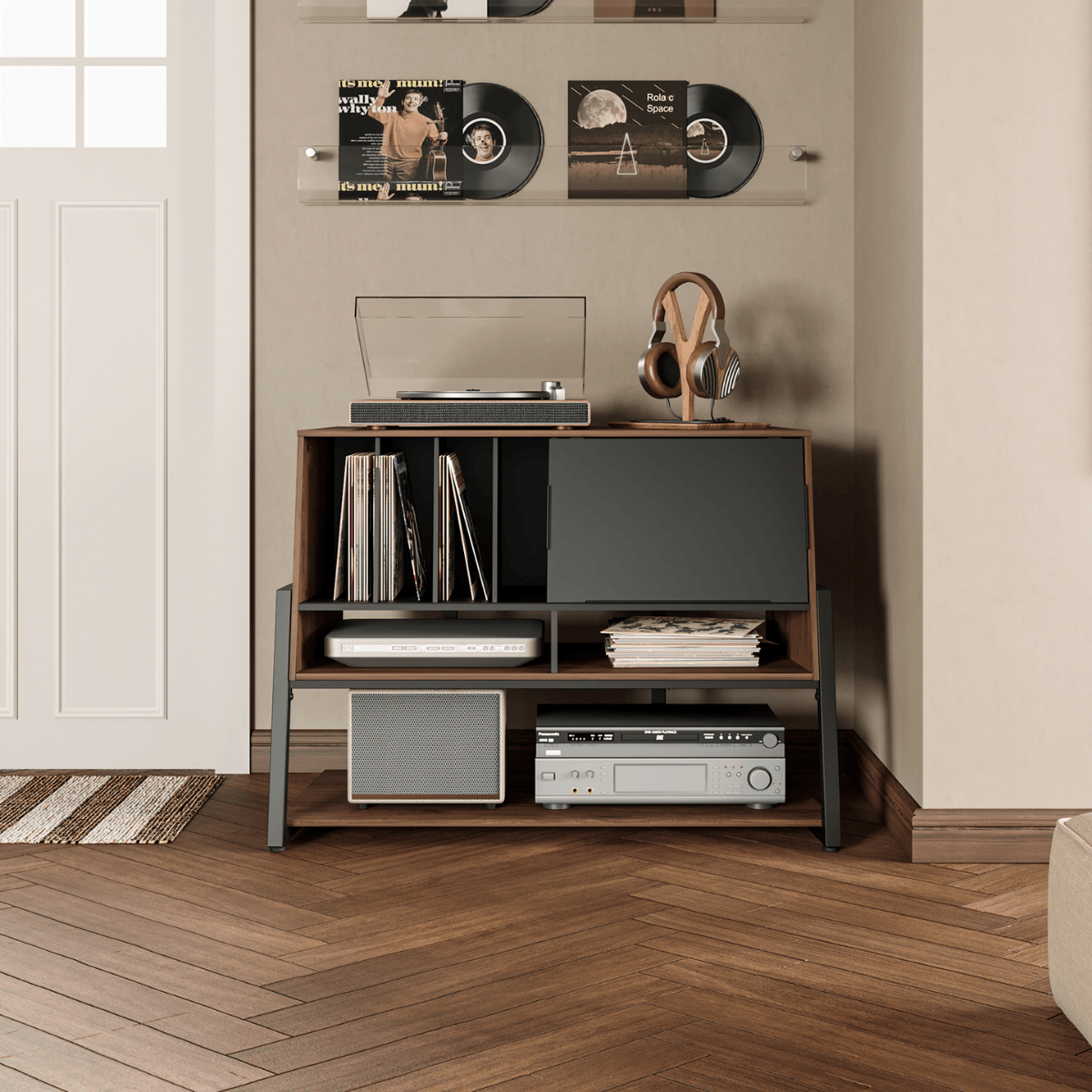
Collecting vinyl is a journey that turns music into a tangible experience. But unlike a digital playlist, your records are fragile physical objects that demand specific care. As your collection grows, you realize that improper storage isn't just messy—it's destructive.
So, what is the best way to store vinyl records?
In short, the golden rule is vertical storage. Records should always be stored upright at a 90-degree angle—never stacked flat—to prevent warping and ring wear. Ideally, they should be kept in a cool, dry environment (65–70°F) away from direct sunlight. To ensure longevity, use a specialized record player stand (at least 13 inches deep) that can support the heavy weight (approx. 35 lbs per foot) without sagging, and protect the discs with anti-static poly-lined sleeves.
In this guide, we will break down the physics behind these rules, explain why standard bookshelves might be killing your collection, and help you choose the right record player stand to build a safe, stylish listening sanctuary.
The Golden Rule: Store Vinyl Records Vertically
If you only take one thing away from this article, let it be this: Gravity is the enemy. The way you orient your records determines their lifespan.
The Physics of Warping
You should never, under any circumstances, stack your records flat on top of each other. It might seem convenient to make a pile on a table, but this is a death sentence for your vinyl.
- The Pressure: Vinyl is heavy. If you stack 20 records flat, the one at the bottom is being crushed by nearly 10 pounds of weight. Over time, this pressure presses the vinyl grooves into the cardboard jacket, causing "ring wear" (that ugly circle mark on the cover).
- The Warp: Even worse, the weight can cause the disc itself to warp, especially if the temperature in the room fluctuates. Once a record is warped, it is often impossible to fix.
- The Fix: Always store your records upright, like books on a library shelf. They should stand at a crisp 90-degree angle.
Avoiding the "Fatal Lean"
Even when standing up, records are at risk if they lean too much. This is a common issue with wide shelves that aren't fully packed.
- The Slant Problem: If you have a half-empty shelf, the records will naturally slide and lean at a 45-degree angle. This might look harmless, but over months, this constant gravitational pressure will cause the vinyl to bow permanently.
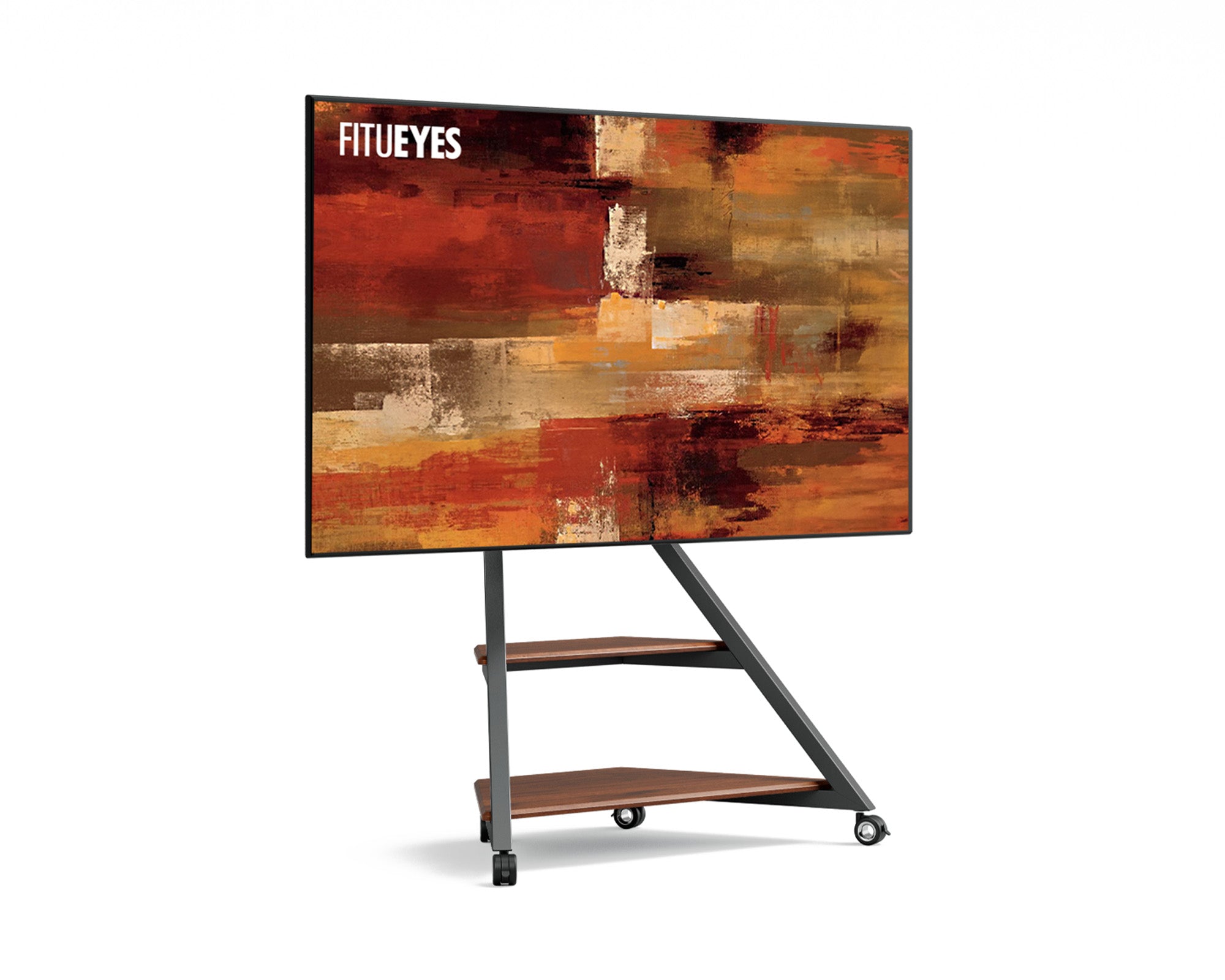
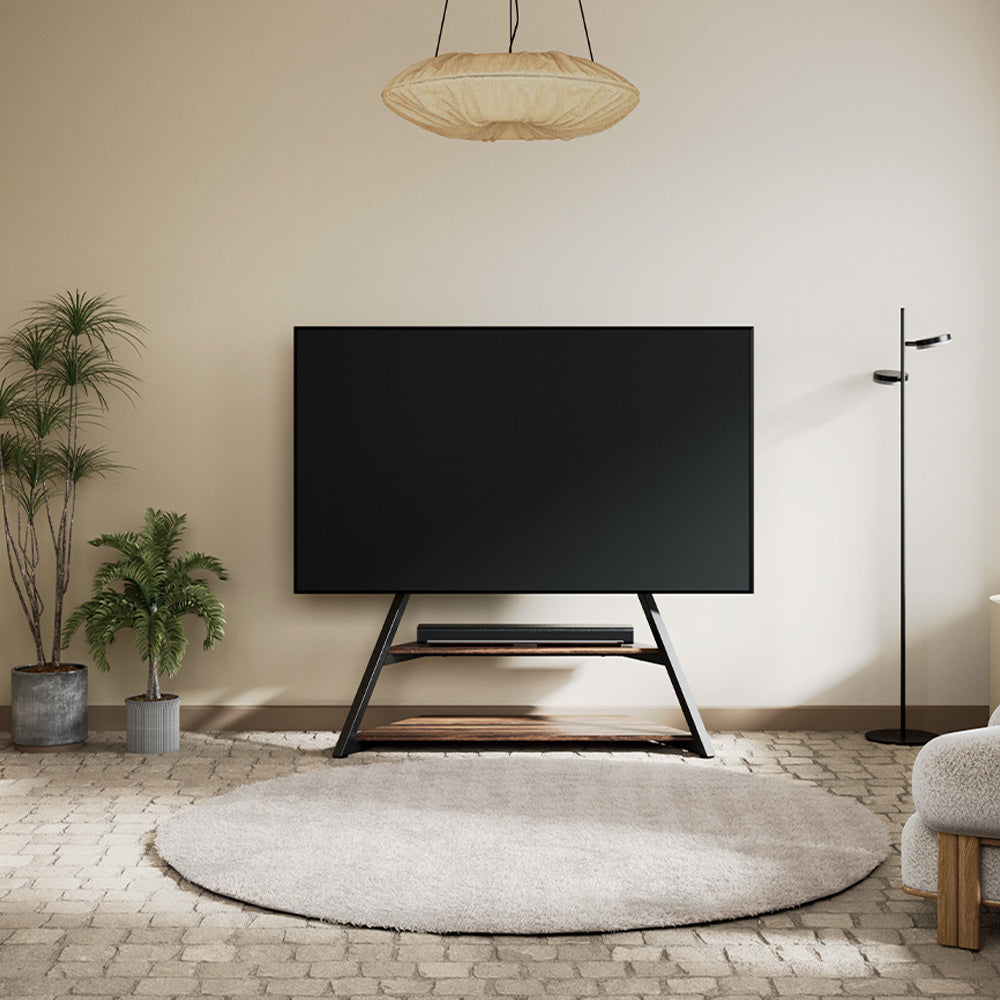
- The Solution: You need mechanical support. Use sturdy heavy-duty bookends or choose a record player stand with integrated dividers (like the FITUEYES Eiffel Series). These dividers act as "brakes" or structural supports, ensuring your albums stay upright even if the shelf isn't packed tight.

Choosing the Right Furniture: The 35lb Rule
One of the biggest mistakes new collectors make is buying cheap, standard bookshelves from big-box stores. They look fine on day one, but six months later, the shelves are bowing in the middle like a banana, or worse, the back panel is popping off.
Understanding Weight Density & Capacity
Vinyl is deceptively heavy. A single foot of records weighs roughly 35 pounds. A standard 3-foot wide shelf fully loaded can weigh over 100 pounds.
- The Risk: Standard particle board shelves are often designed for paperback books or picture frames, not heavy vinyl. They lack the tensile strength to hold hundreds of pounds.
- The Fix: You need reinforced furniture. A high-quality record player stand features metal frames, steel supports, or thick, high-density wood shelves designed specifically for the heavy load of a vinyl collection.
The Capacity Cheat Sheet: Planning your space? Here is the math to help you buy the right size stand:
- 12 inches of shelf space holds approximately 60–70 single records.
- Weight: Expect about 35 lbs per foot of records.
- Pro Tip: Always leave about 15% breathing room on the shelf. If you pack them too tight, you risk damaging the jackets when trying to pull one out.
The Depth Issue (Overhang)
Standard bookcases are often only 10 or 11 inches deep. An LP (Long Play) record is roughly 12.5 inches deep.
- The Risk: If you use a shallow shelf, your records will stick out by 2 inches. This leaves the jacket edges exposed to bumps, spills, active children, and pets.
- The Solution: Ensure your furniture is at least 13 inches deep. A dedicated record player stand with storage will fully support the entire record jacket, protecting the corners from damage and giving the setup a clean, custom look.
Recommended Reading: Not sure which style fits your room? Check out our guide on Choosing the Perfect Record Player Cabinet for a detailed comparison of styles and features.
How to Store Vinyl Records: "Active" vs. "Archived"
As your collection grows, browsing becomes a chore. Reading the tiny text on the spines of 200 records isn't fun, and it takes away from the tactile joy of vinyl. The best way to manage this is to split your collection into two distinct zones.
Zone A: The Archive (Spine-Out)
For the bulk of your collection—the albums you love but don't listen to every day—use the lower shelves of your stand.
- Organization: Organize them alphabetically, by genre, or by year.
- Storage Method: Store them spine-out. This maximizes density and keeps the center of gravity low, making your record player stand more stable.
Zone B: The "Now Playing" Display (Face-Out)
You want to recreate that record store feeling of "flipping" through covers to find something to play.
- The Setup: Use the top tier of your stand or a dedicated easel to display your current rotation.
- The Benefit: This keeps your 5–10 favorite albums of the week instantly accessible. It also turns your album art into a changing gallery display for your room. Seeing the cover art often inspires you to listen to music you might otherwise forget about.

The "Audio Ecosystem": Cables and Vibration
Storage isn't just about the vinyl; it's about the turntable, the amplifier, and the speakers. If you dump them all on one flimsy table, you are going to have audio quality problems.
Isolating Vibration
If you put your speakers on the same thin surface as your turntable, the vibration from the bass can travel through the shelf and back into the stylus (needle). This creates a low-frequency rumble or feedback loop that muddies the sound.
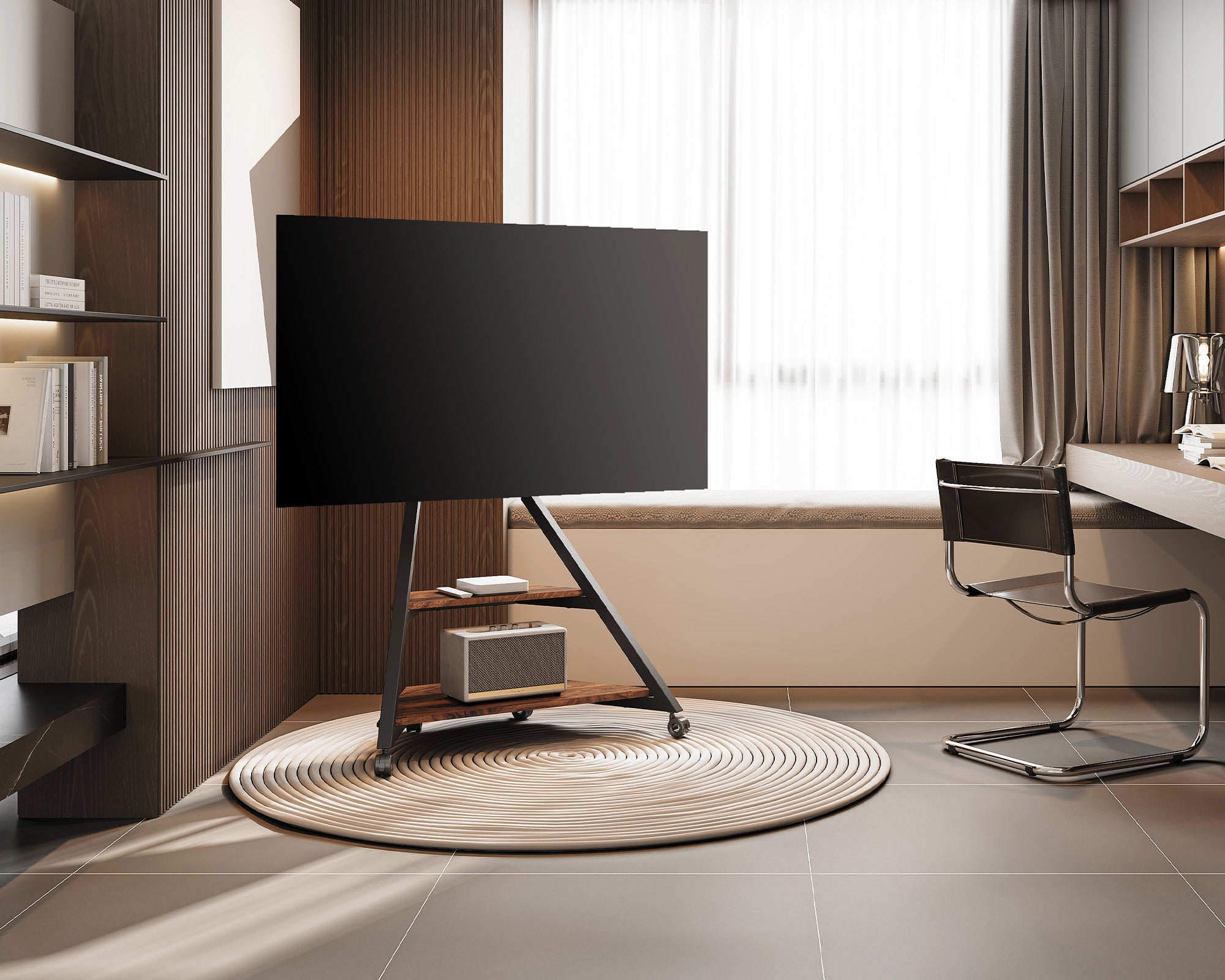
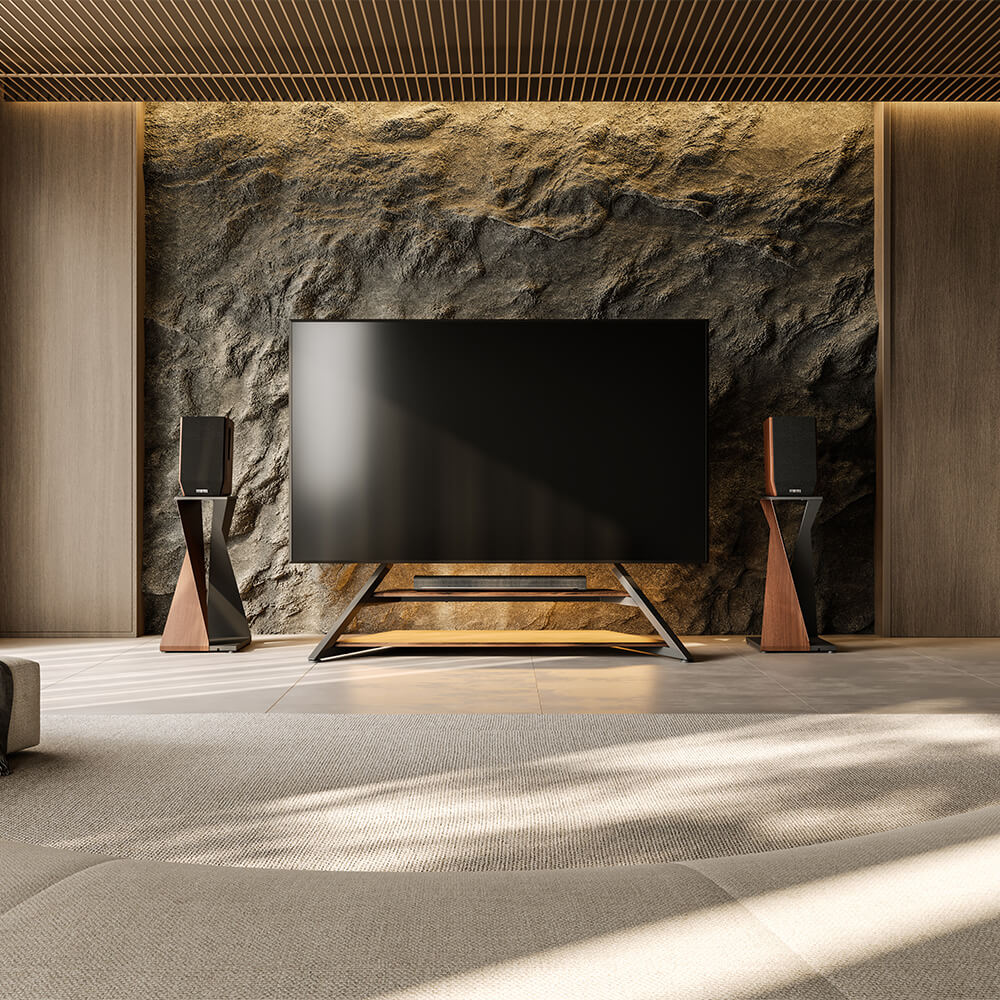
- Practical Tip: Use a sturdy, heavy record player stand. Mass absorbs vibration. Ideally, your stand should have separate tiers—one for the amp (bottom), one for the records (middle), and the top platform reserved exclusively for the turntable. If you must have speakers on the same surface, use isolation pads under them.
Managing the "Spaghetti" Wires
A turntable setup requires a lot of cables: power cords, RCA cables, grounding wires, and speaker wire.
- The Look: Nothing ruins a sleek listening corner faster than a tangle of wires behind the stand. It makes the space look cluttered and stressful.
- The Solution: To maintain a clean, minimalist aesthetic, effective wire organization is key. FITUEYES record player stands can be paired with FITUEYES cable management accessories to cleverly conceal cables behind the rack. By bundling your cords together, you keep the visual focus on your music and the artwork, not the electrical mess.
How to Properly Store Vinyl Records: A Step-by-Step Guide
Ready to organize your collection for the long haul? Follow these steps to ensure longevity.
Step 1: The Inner & Outer Defense
The paper sleeve that comes with most records is actually bad for the vinyl; it acts like sandpaper and leaves paper dust in the grooves.
- Inner Sleeves: Throw away the cheap paper sleeve. Replace it with an anti-static "rice paper" or poly-lined inner sleeve.
- Outer Sleeves: Place the cardboard jacket inside a clear 3-mil plastic outer sleeve. This prevents "shelf wear" (scuffing) when you slide the record in and out of the stand next to its neighbors.
Step 2: Check Your Environment
Where you put the stand is just as important as the stand itself.
- Heat: Never place your stand next to a radiator, heating vent, or fireplace. Vinyl begins to warp at temperatures as low as 140°F (60°C), but even lower consistent heat can cause damage over time.
- Sunlight: Avoid direct sunlight. UV rays can fade the album art, and the heat from the sun can warp the record inside the jacket.
- Humidity: Avoid damp basements. Humidity promotes mold growth on the cardboard covers. A standard living room environment (65–70°F) is perfect.
Step 3: Align and Tighten
- Place your records on the shelf vertically.
- The "Goldilocks" Fit: Do not pack them so tight that you have to struggle to pull one out (this causes ring wear). Do not leave them so loose that they lean heavily. Use the dividers in your record player stand to keep them upright and breathable.

Frequently Asked Questions
Q: Can I stack vinyl records flat if it's only for a short time?
A: We strongly advise against it. Even a short period of heavy stacking can press dust into the grooves or start the warping process if the room gets warm. Always try to store vinyl records vertically, even if they are just sitting on the floor temporarily.
Q: Do I really need a special stand, or is a bookshelf fine?
A: For a very small collection (under 50), a sturdy bookshelf might work if it's deep enough (13 inches+). But for larger collections, the weight becomes a safety issue. A dedicated record player stand is reinforced to handle the heavy load without collapsing or tipping over.
Q: Should I clean my records before storing them?
A: Yes! If you put a dirty record away, the dust sits in the grooves and can be ground in over time. A quick brush with a carbon fiber brush before and after playing is the best habit to form.
Q: Is it okay to leave a record on the turntable overnight?
A: Occasionally, yes. But if you leave it for days, it gathers dust which will impact the sound quality next time you play it. It’s always best to jacket it and put it back in its vertical home when you're done listening.
Summary
Treat your records with respect, and they will “outlive” you.
Vinyl is one of the few formats that can last for generations if cared for properly. By investing in proper sleeves and a sturdy, dedicated record player stand, you aren't just storing plastic discs—you are preserving the soundtrack of your life.
Ready to build your listening sanctuary? Check out the FITUEYES Record Player Stand Collection to find the perfect blend of heavy-duty protection and modern design for your collection.