


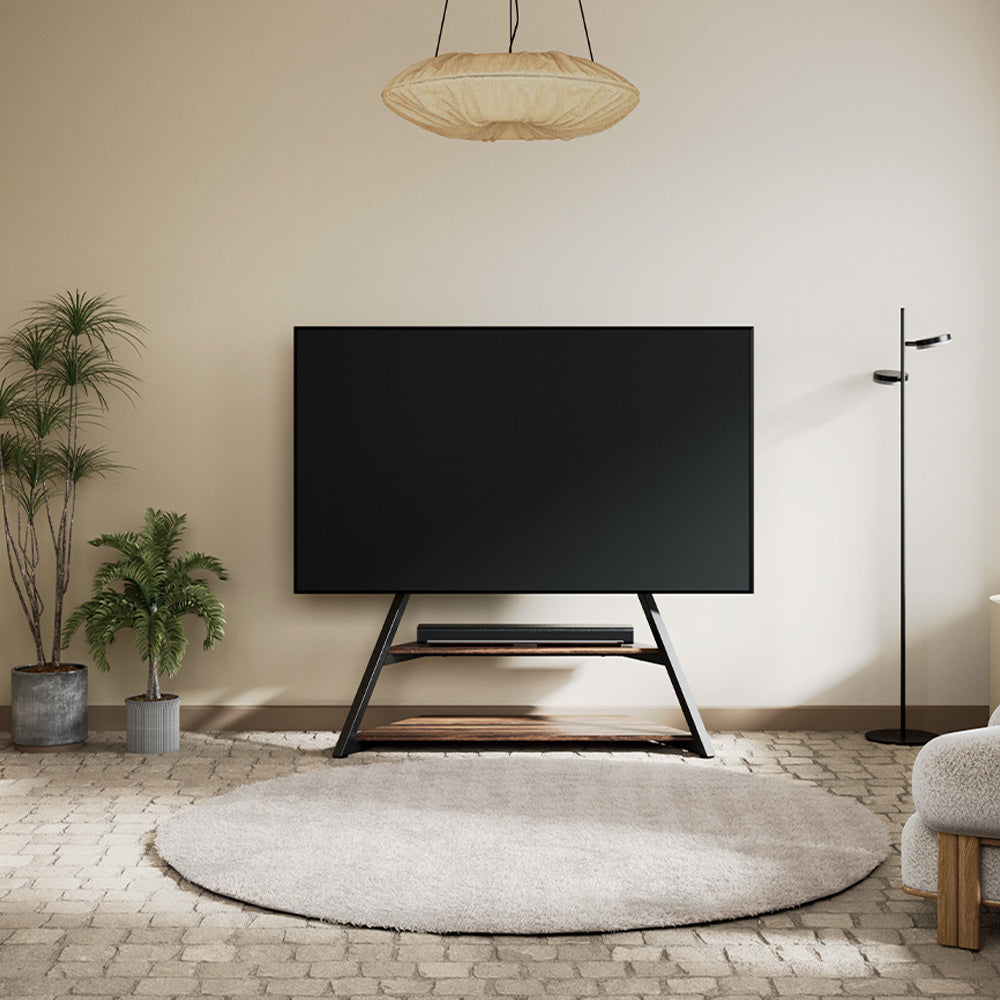
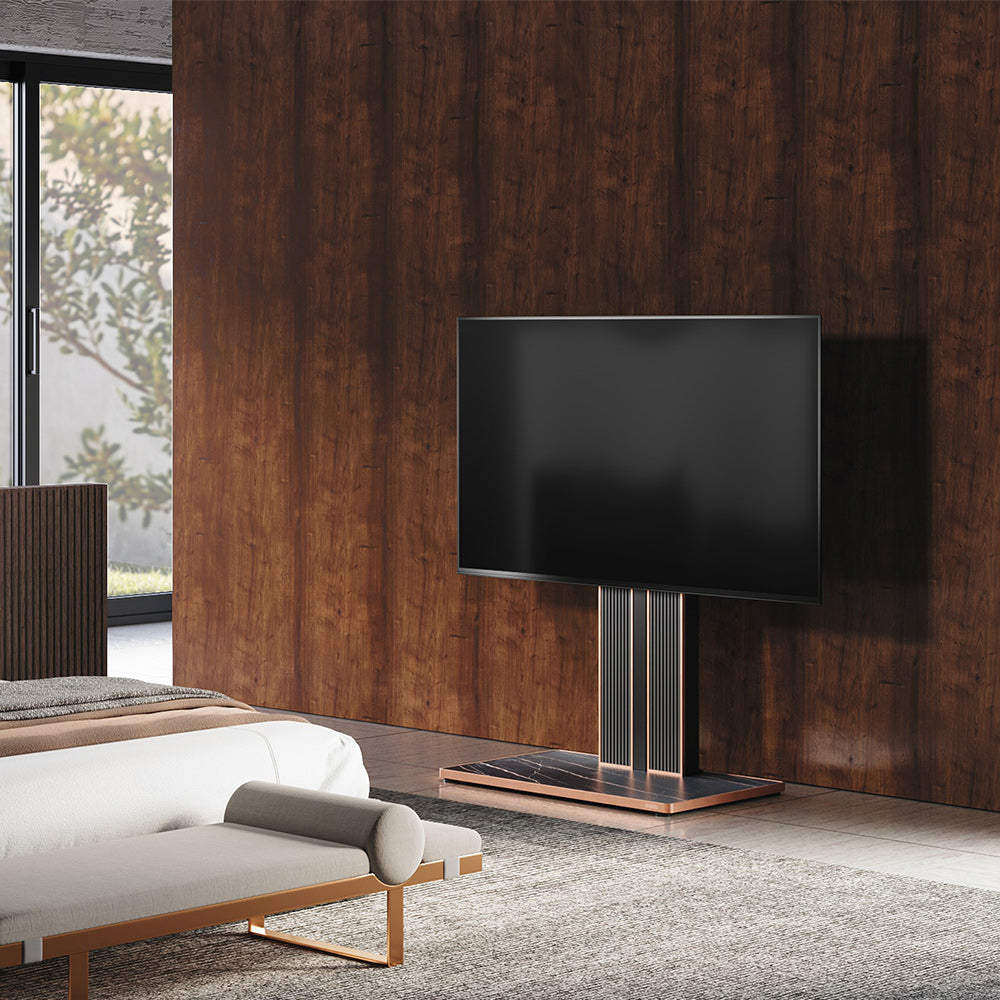
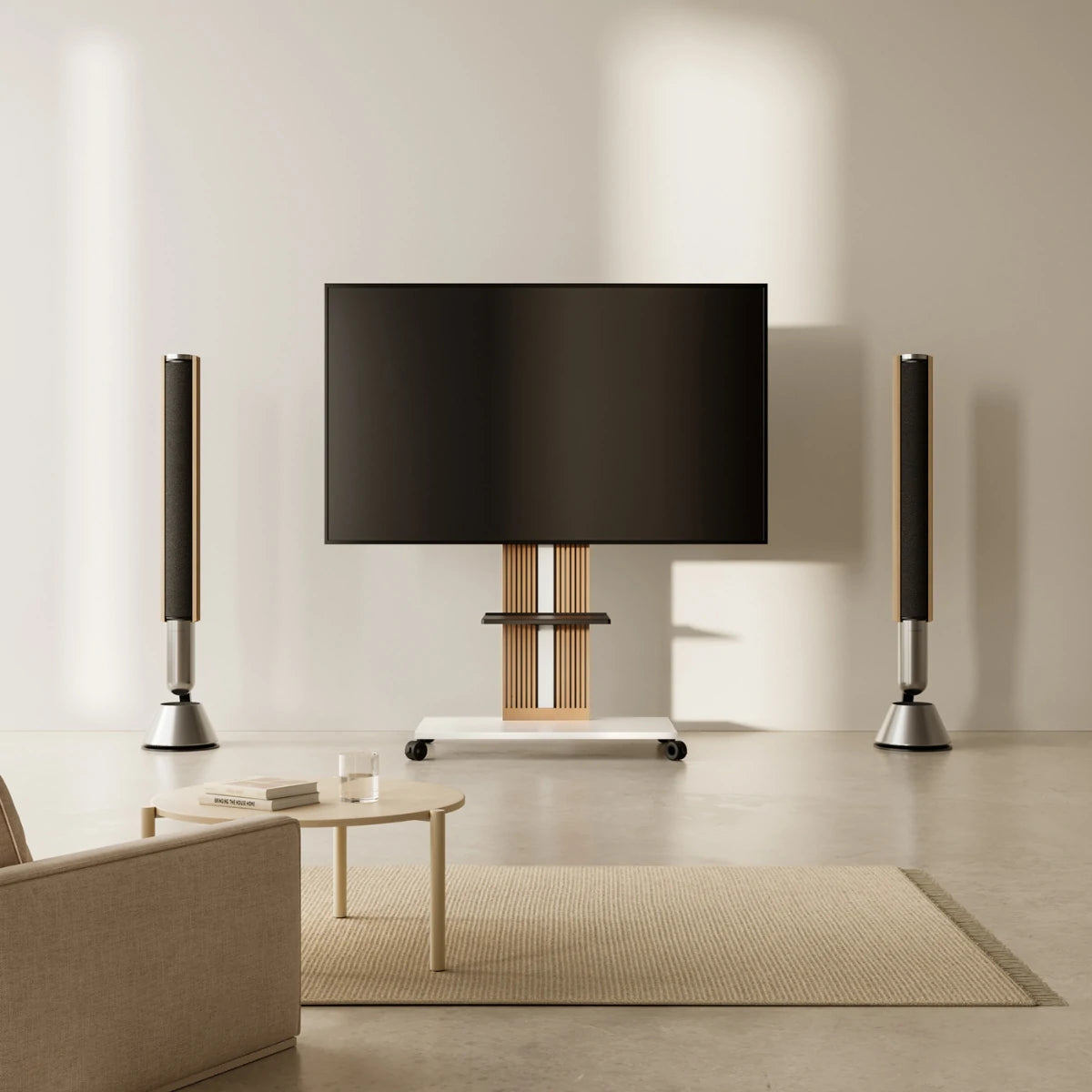
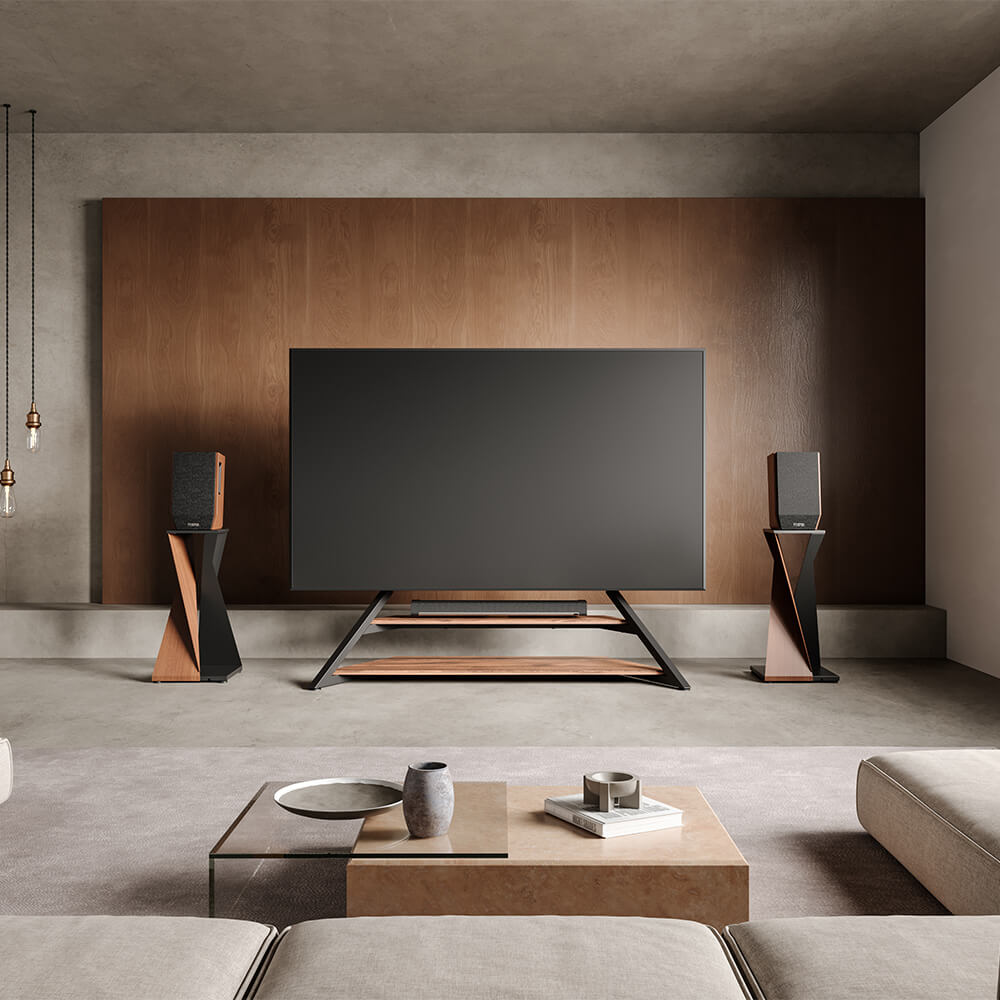
You’ve settled in after a long day. A cup of tea in hand, the lights dimmed, favourite drama queued up. But just as you start to relax, something feels… off. Your eyes drift downwards, neck bending slightly, because your low height TV stand makes the screen sit lower than it should. It’s a small thing, but somehow it takes the edge off that cosy, perfect moment.
For many homes, especially in urban apartments and compact houses, furniture arrangement is often more about fitting everything in than creating an optimal living space. And one of the most overlooked details? The height difference between your sofa and your TV stand.
Why the Height Gap Matters More Than You’d Expect?
It’s not just about looks. The TV stand height relative to your seating area can affect both comfort and viewing experience, whether it’s a quick evening news update or an entire weekend of Netflix.
When the TV sits too low compared to your sofa, you might:
- Keep tilting your head forward. (which gets uncomfortable quicker than you think)
- Lose that immersive feeling because your line of sight isn’t quite right.
- Notice the space feels visually “unbalanced”, like the TV area is sunken compared to the rest of the room.
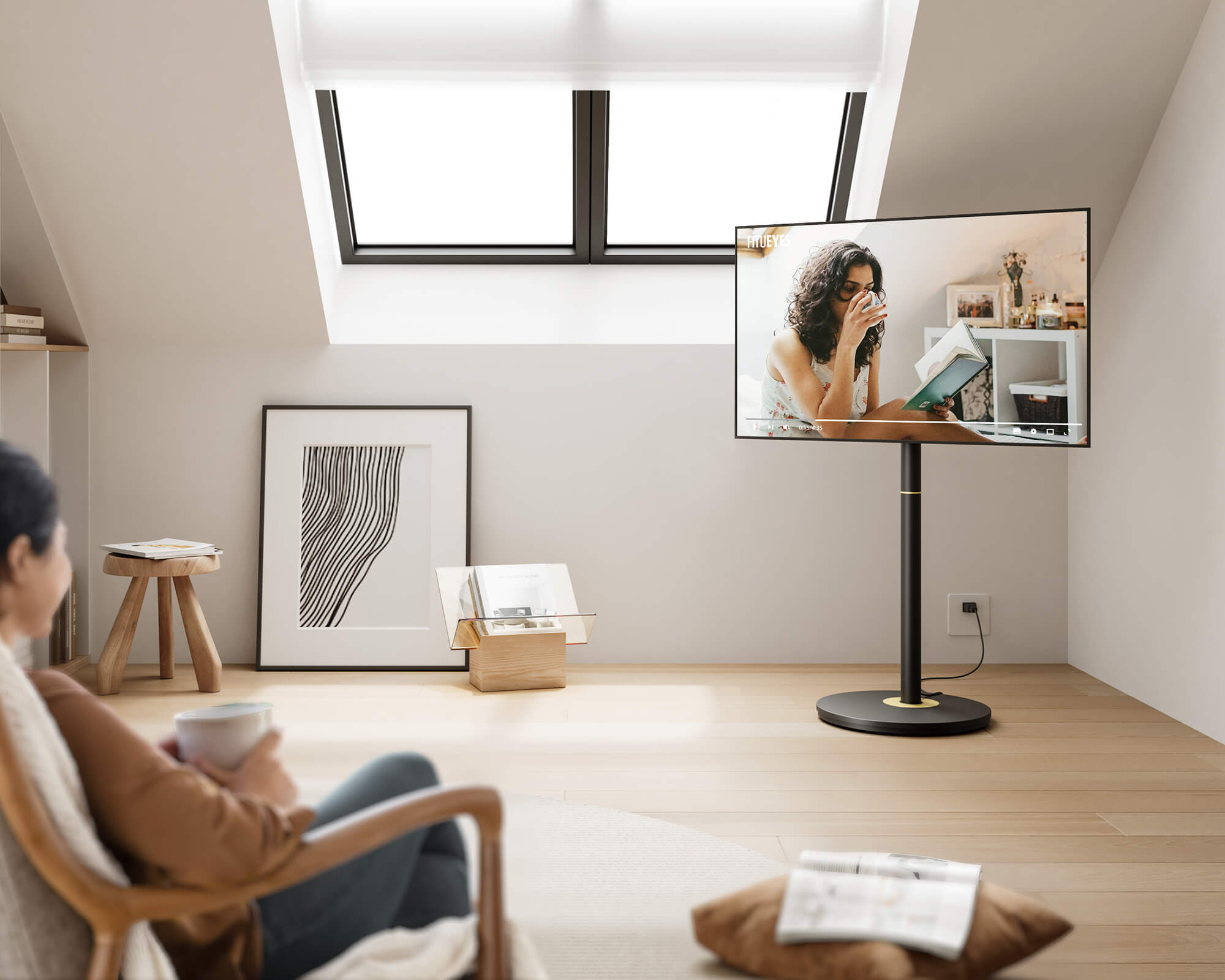
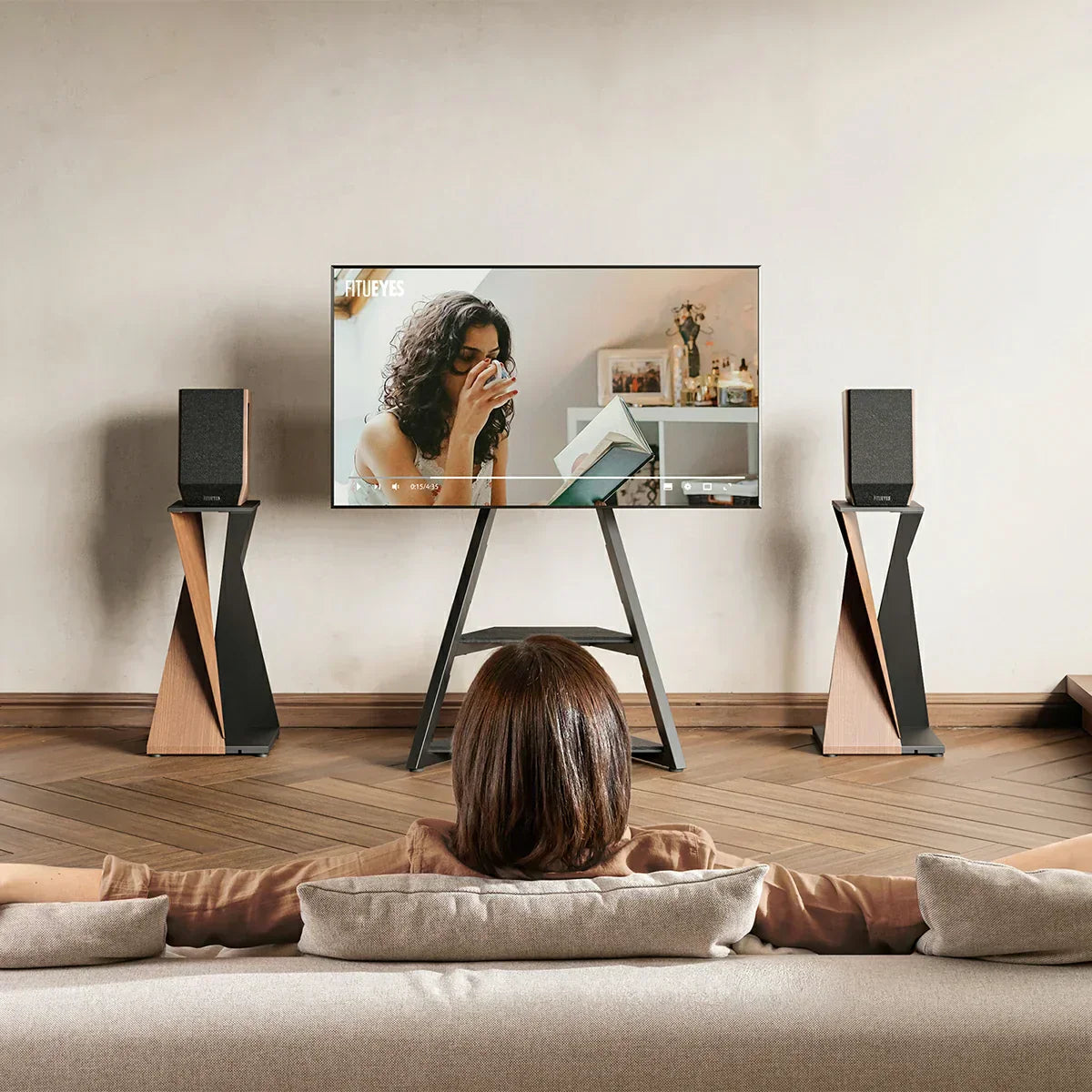
Ideally, the centre of the TV screen should match your seated eye level. But with deep, cushioned sofas, that often means the standard lowline TV console is… well, too low.

Effective Solutions to Address Sofa–TV Height Mismatch
We’ve seen all kinds of living room setups, and trust us, a small tweak can make a big difference. Here’s what works.
1. Go for a Taller or Adjustable TV Stand
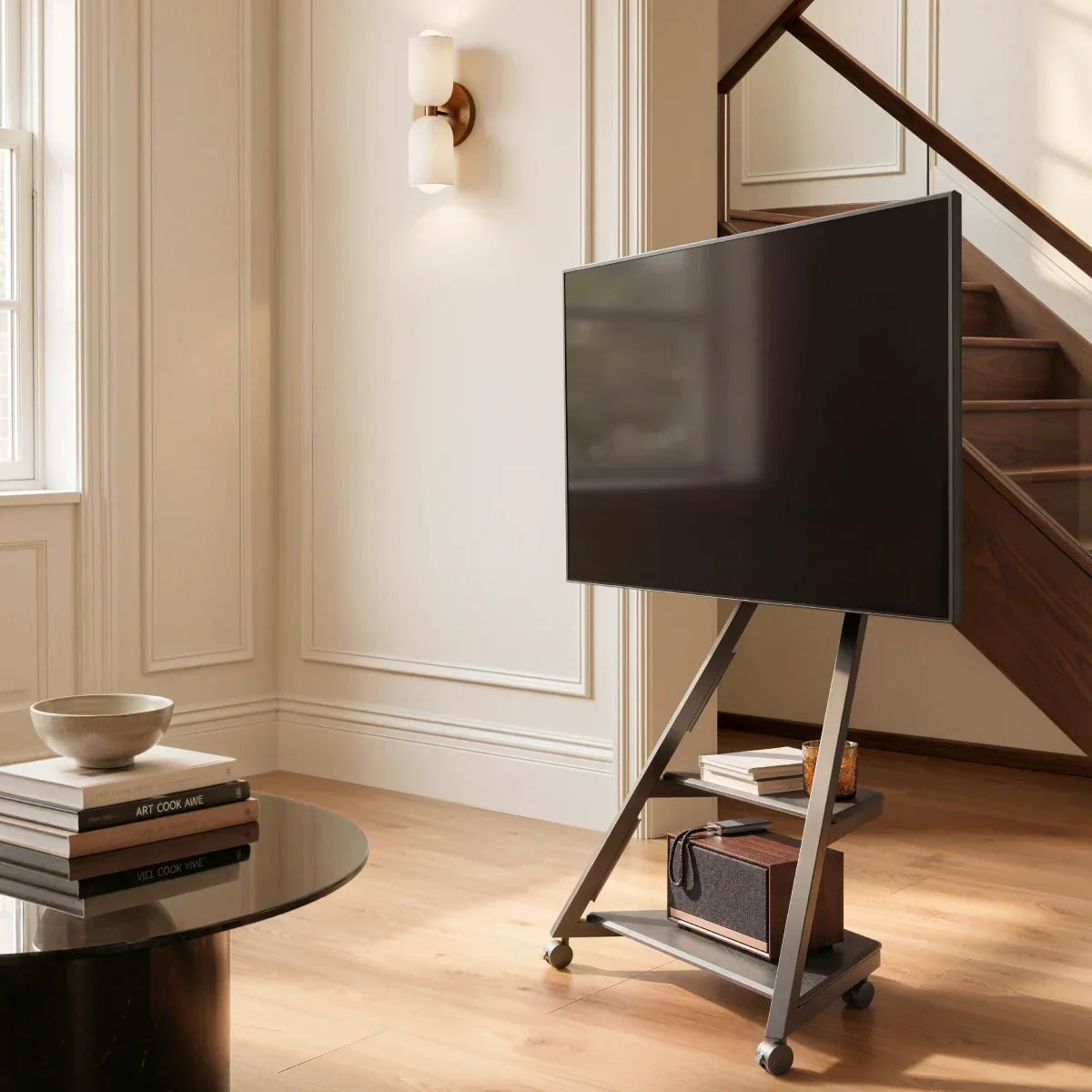
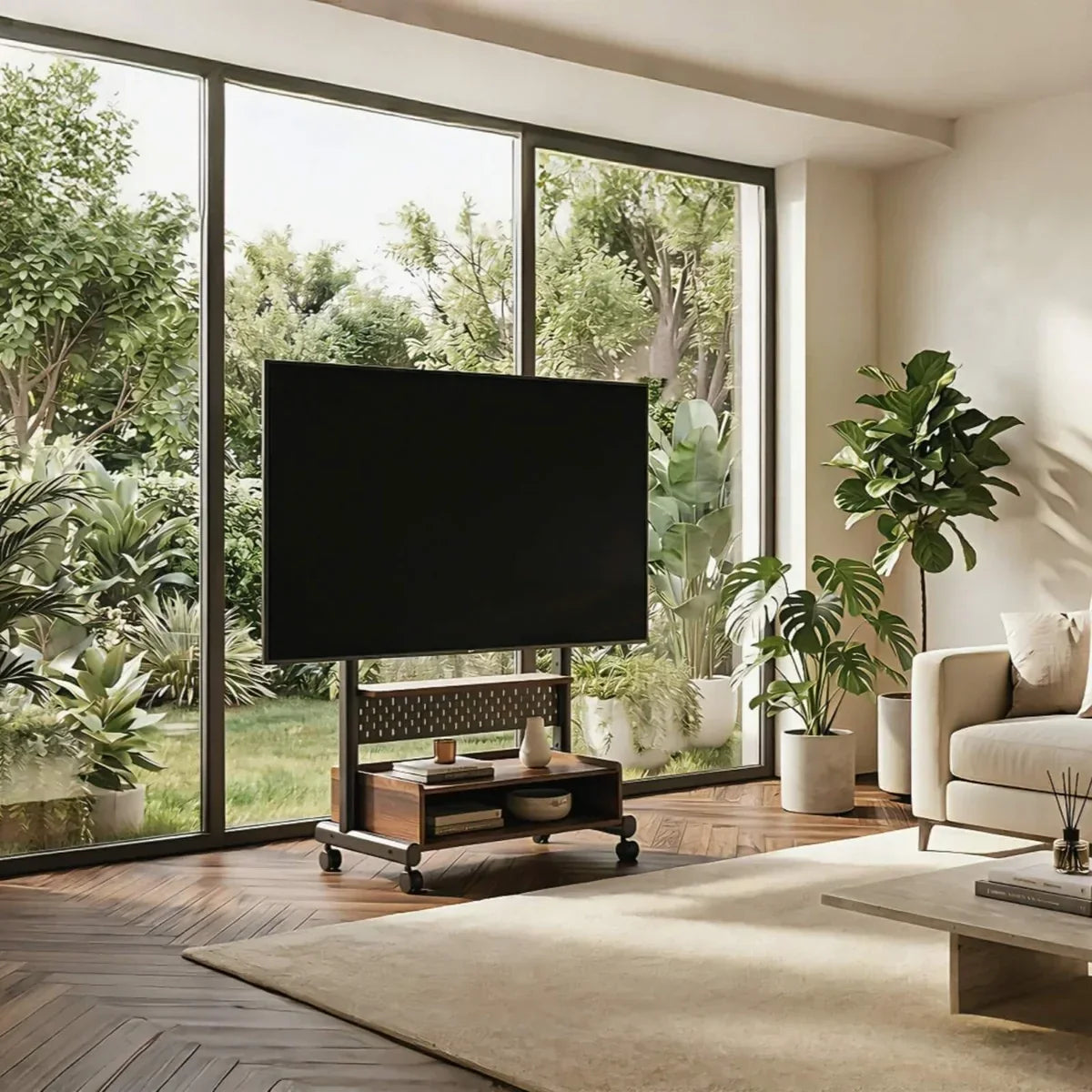
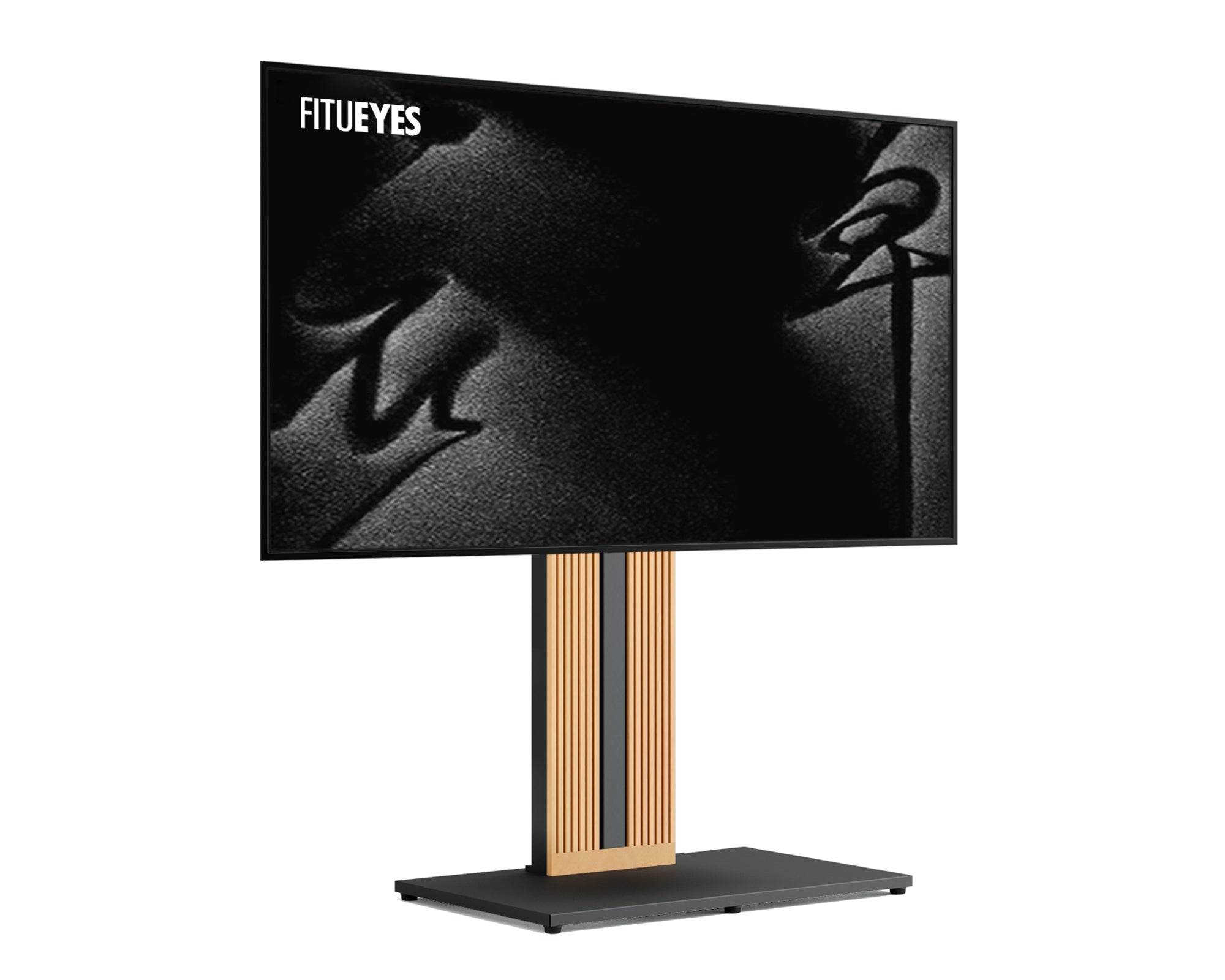
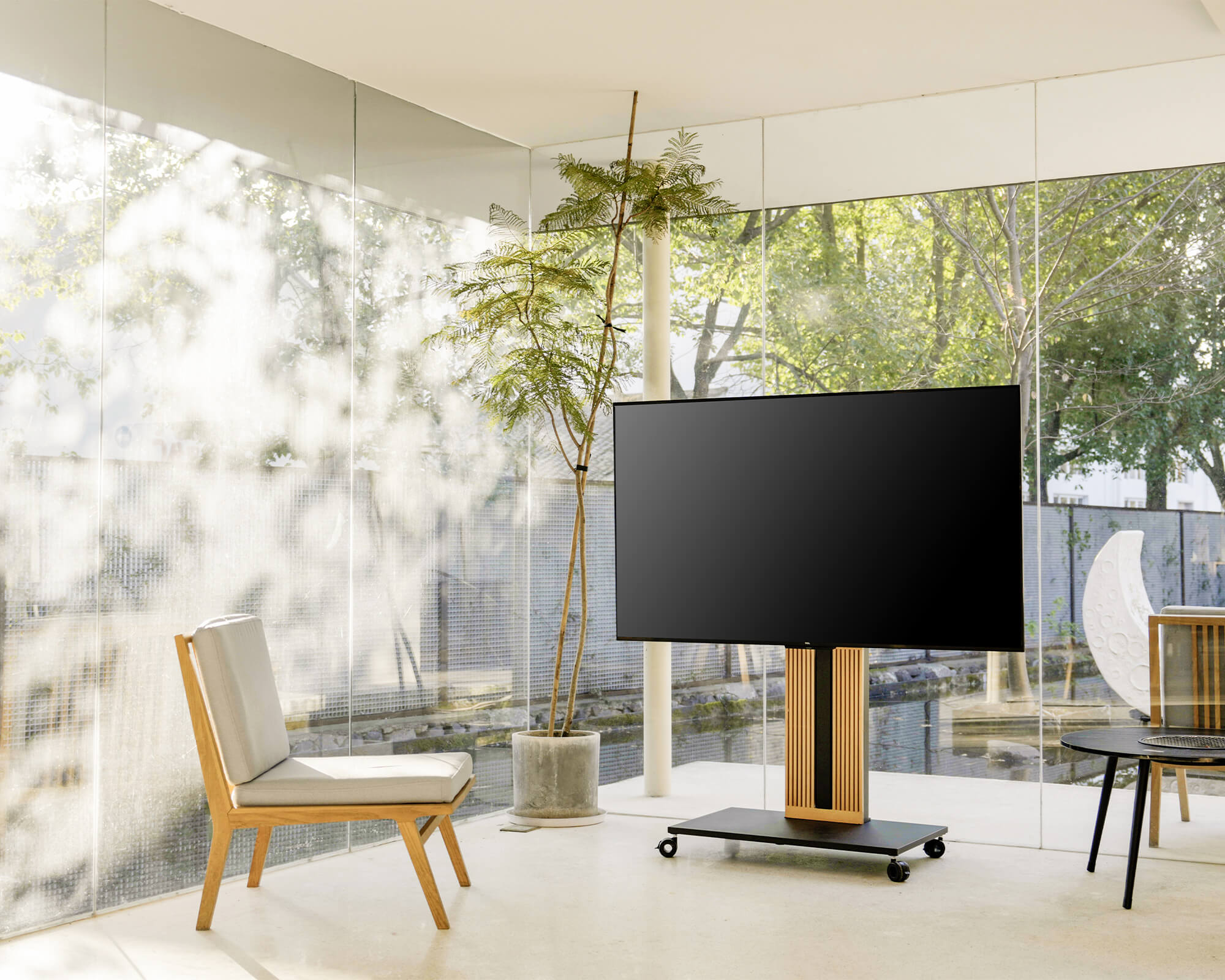
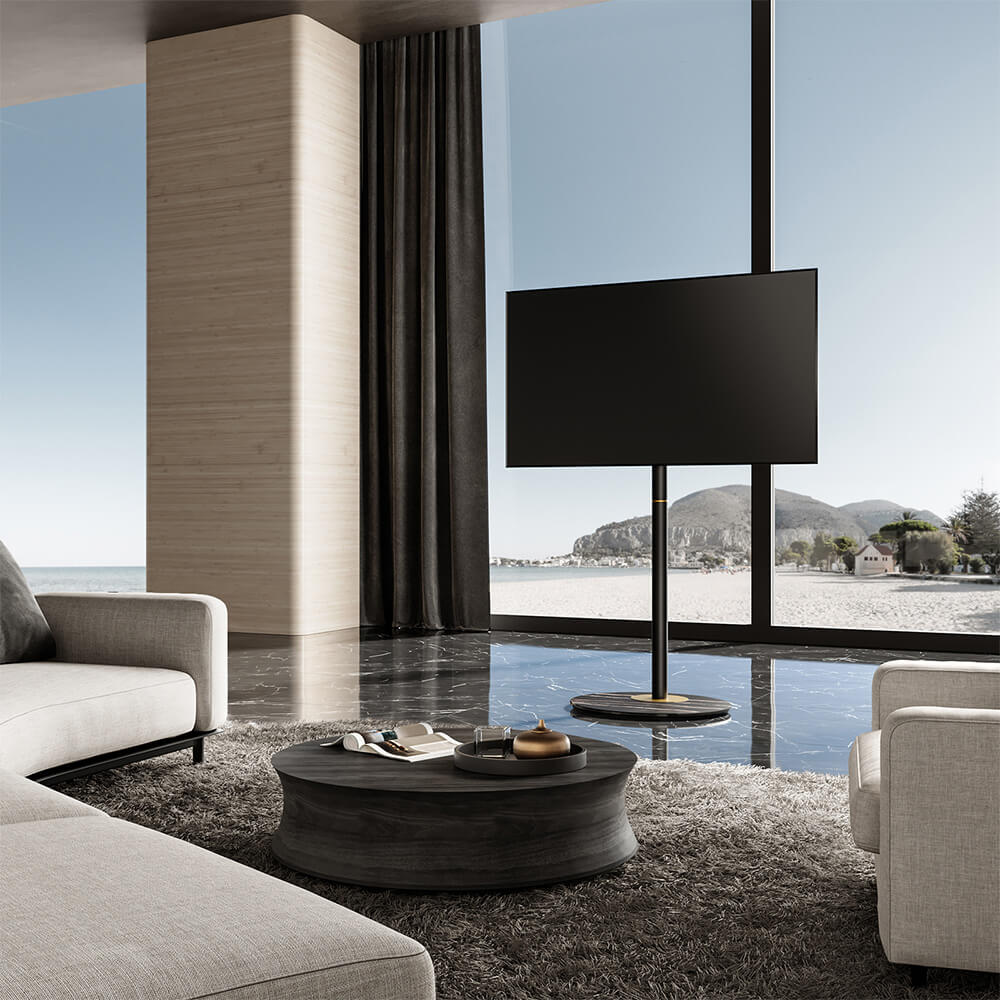
An easy fix is upgrading to a height adjustable TV stand or one that lets you adjust shelf levels. Many modern TV units now include a built-in mounting system so you can position the screen exactly where you want it, no extra wall drilling required. Opting for a taller or adjustable TV stand can accommodate different seating styles, whether you have a modern sectional or a traditional couch.
2. Use a Stand with an Integrated Mount
This is a neat way to keep the base for storage while giving the screen a height boost. It’s especially good for minimalistic homes because it keeps the floor space clear.
3. Rethink the Sofa Position
In some cases, the issue may not be the TV stand but rather the positioning of the sofa itself. Adjusting the sofa can have a significant impact on how comfortably your eyes align with the screen, and the positioning can often give the room a greater flow.
4. Add a Discreet Platform
If replacing furniture is not an option, adding a custom riser or sturdy furniture feet is a simple way to how to raise TV stand slightly and improve viewing comfort. With the right finish, nobody will notice the difference, except your neck.
Balancing Comfort with Style
In many living rooms, design often takes precedence, with sleek, low-profile TV stands, designer sofas, and eye-catching rugs. But comfort should be equally prioritized.
Our feeling is that you can have (and should have) both. An appropriately positioned TV provides a natural centre of attention, which does not overwhelm the room. The area is deliberate, carefully considered, and warm.
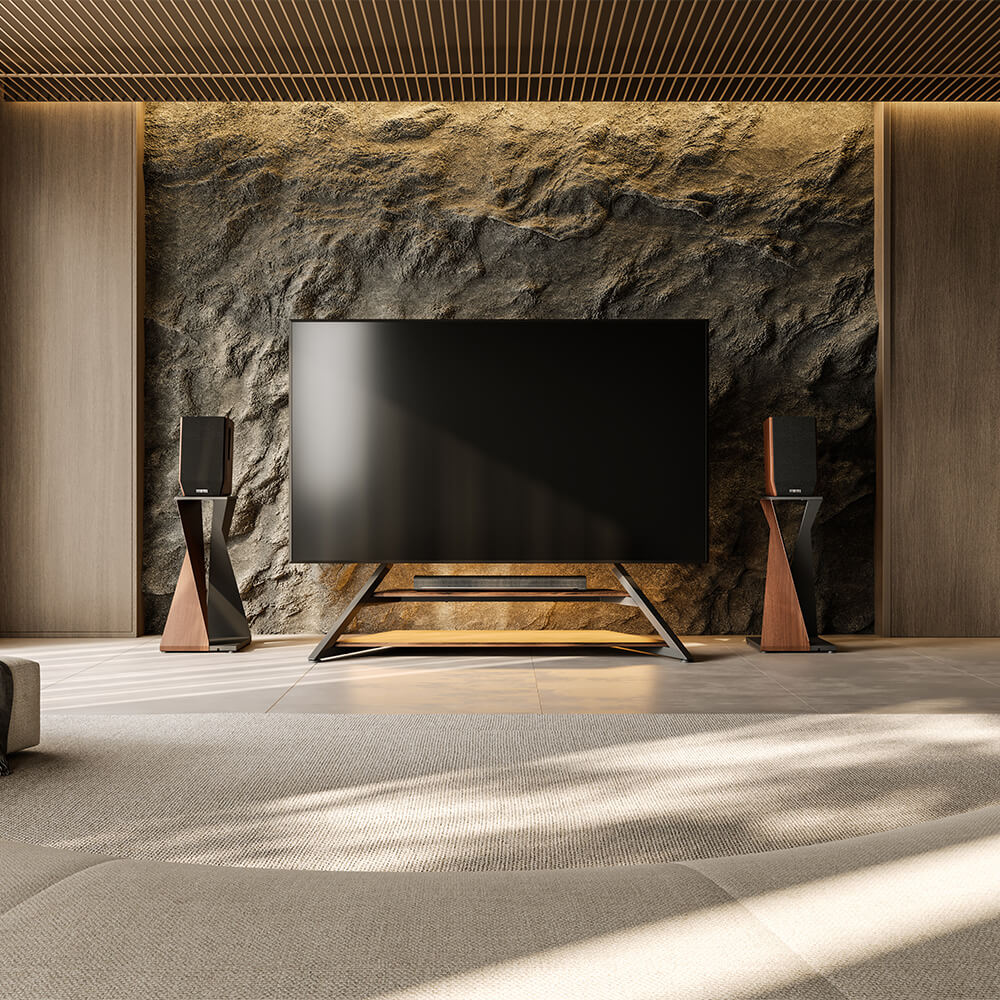
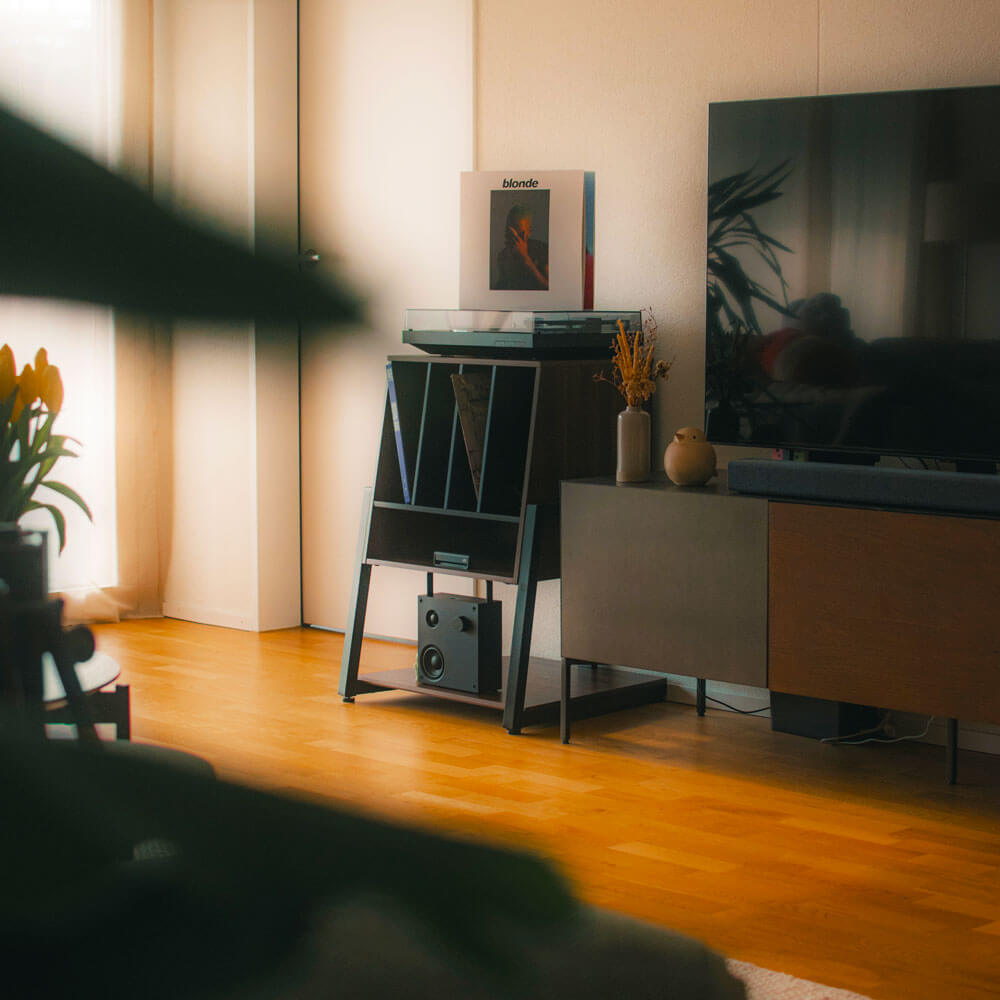
There is also a way to make it more attractive in the styling of the TV wall, such as putting up framed pictures, floating shelves, or even plants to make the area a little less tech-heavy.

Better Posture, Better Viewing
There is more to style. A neutral sitting position is beneficial to your posture, especially when you tend to spend much time with the television among other family members. For children and adults alike, proper TV placement can help reduce neck strain and contribute to a more comfortable viewing experience for everyone.
Final Takeaway
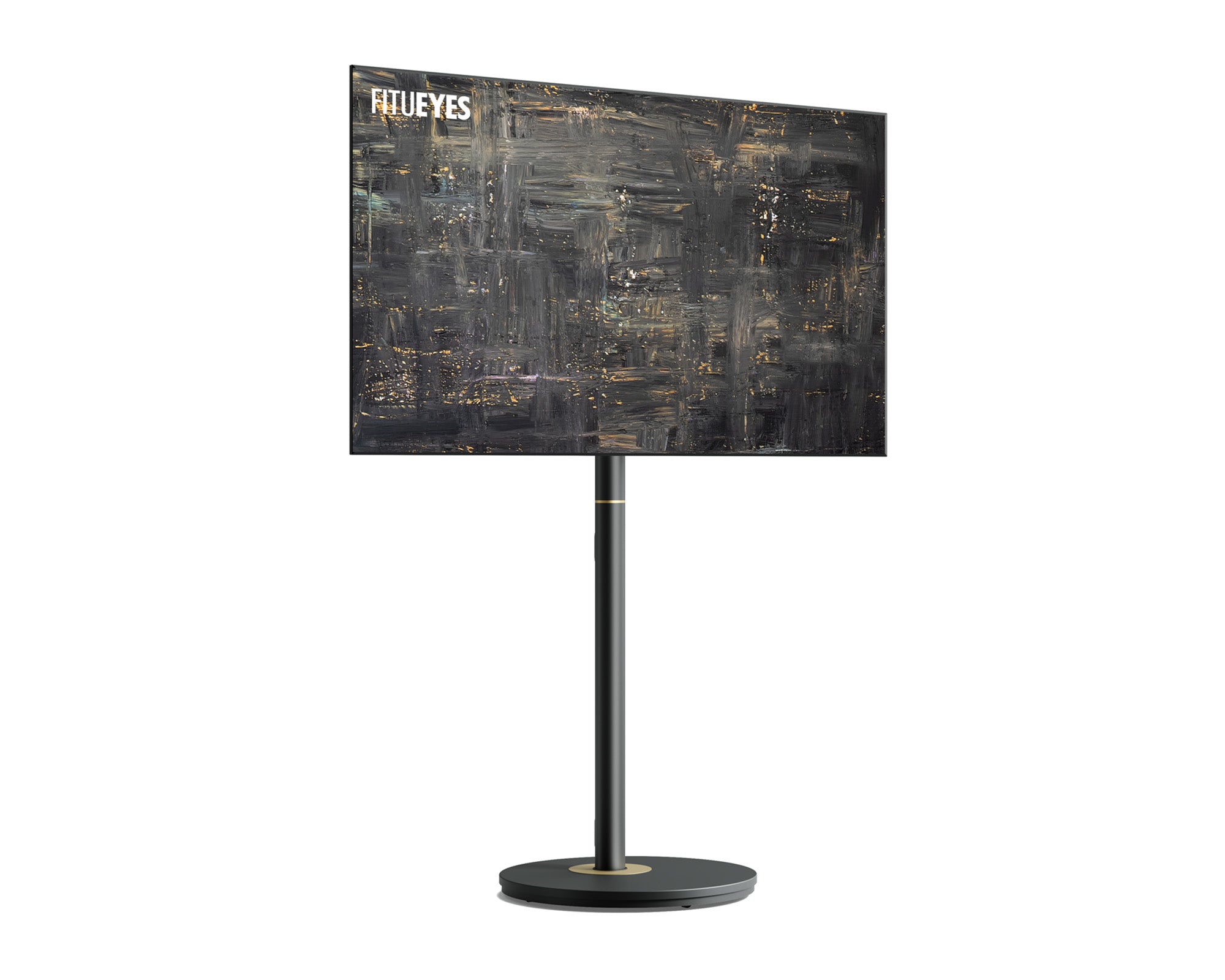
A low height TV stand compared to your sofa is not a design fiasco — it is merely an opportunity to make your living room look better. Raise the stand, mount the TV, or upgrade to a versatile FITUEYES solution; the end result is the same: a comfortable, functional, and enjoyable space.
Ultimately, what truly matters is that you feel comfortable in your own space, where every detail contributes to a functional and relaxing environment.