


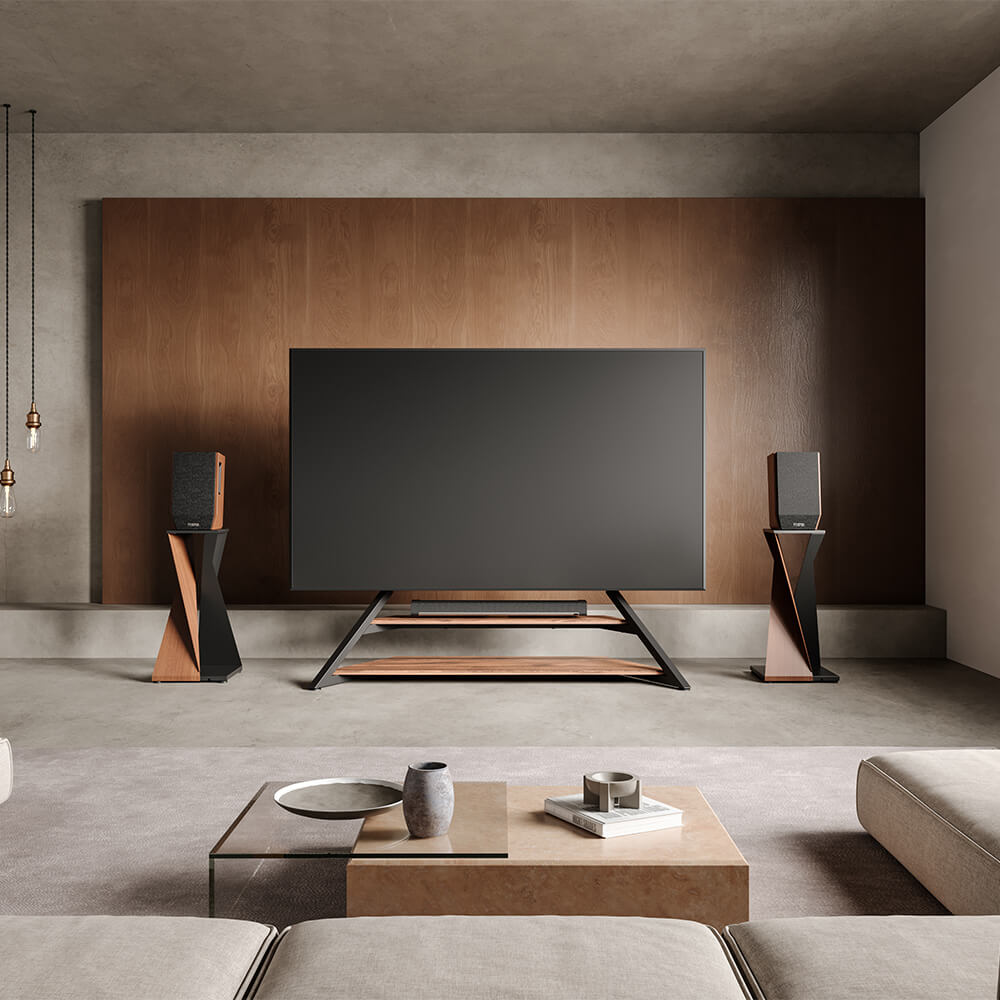
The best modern TV stand style depends entirely on your room layout and storage needs: floating consoles maximize tight floors but require heavy drilling; traditional enclosed cabinets hide family clutter but have a massive footprint; while Modern freestanding floor TV stands (easel/column style) offer the ultimate hybrid solution—giving you the sleek, space-saving look of a wall mount with zero wall damage and flexible swiveling. For a perfect fit, ensure your stand is 4 to 12 inches wider than your TV frame (or check VESA compatibility for floor stands) and holds the screen center at seated eye level (roughly 42–48 inches above the floor).
While finding the perfect media center used to be just about picking a nice wood finish, modern home layouts demand a smarter balance between strict dimensions and functional aesthetics. If you buy a media setup without checking its physical limits first, you risk ending up with blocked remote signals, messy visible wires, or a bulky piece of furniture that suffocates your room. This step-by-step buying guide breaks down the core styles, essential sizing math, and technical features to make your next furniture purchase completely foolproof.
Part 1: The Size Filter (Measure Before You Choose)
Before falling in love with a specific design, you must filter your choices by the cold, hard numbers of your room and your television.
1. For Traditional Cabinets & Media Consoles (The 2/3 Rule)
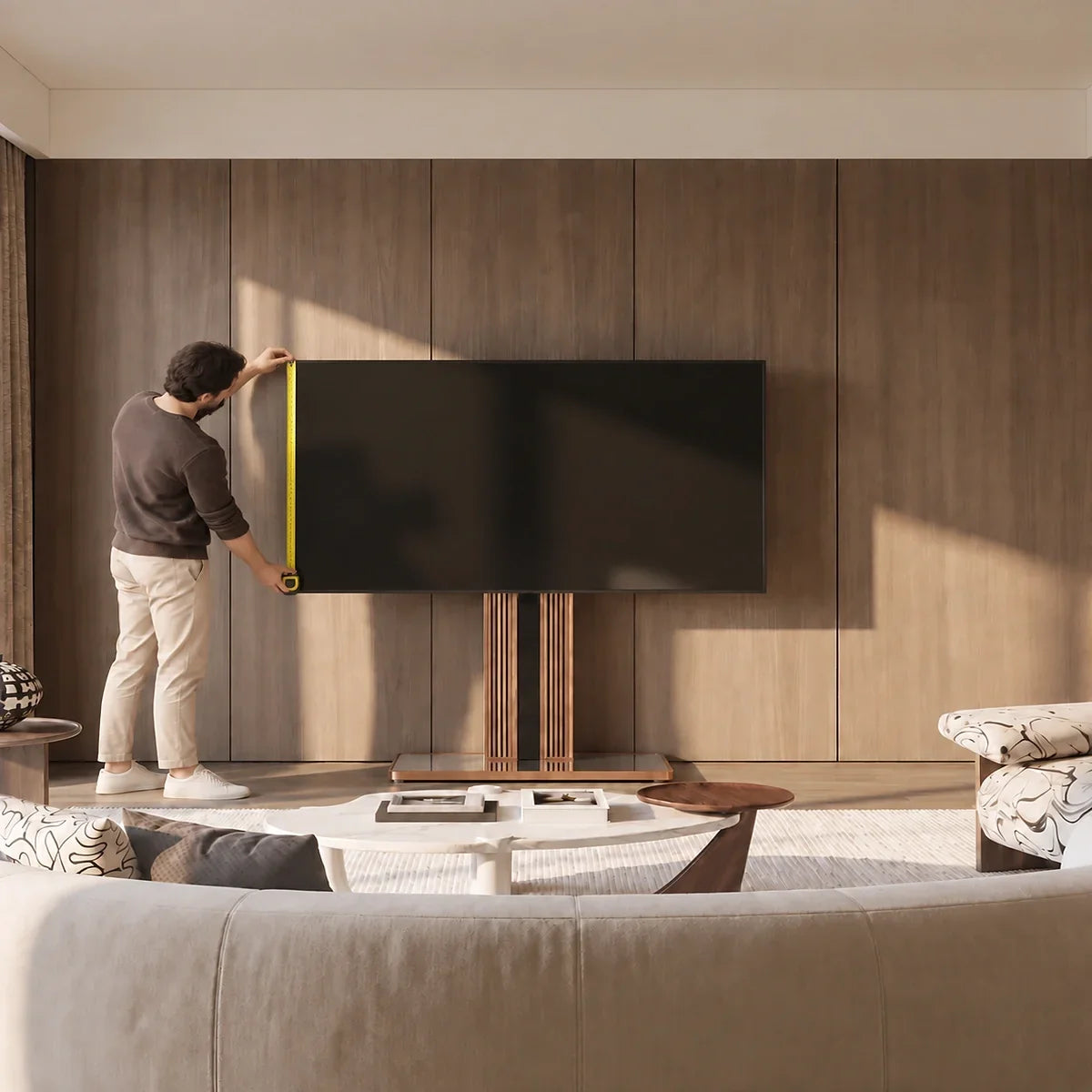
Instead of relying entirely on your TV's advertised screen size (which is measured diagonally), it is much safer to measure the actual physical width from edge to edge.
- The Rule: To prevent your setup from looking top-heavy, a traditional console should extend at least 2 to 6 inches past the edges of your TV frame on both sides.
- The Proportion: The TV stand should occupy no more than two-thirds of the total width of the wall it sits against.
2. For Freestanding Floor TV Stands (The VESA Rule)
If you are opting for a modern, minimalist floor stand rather than a wide cabinet, physical width matters less, but mounting compatibility is critical.
- The Rule: Check your TV’s VESA pattern (the four screw holes on the back of your TV, measured in millimeters, e.g., $400 \times 400$). Ensure the floor stand specifically supports your TV’s VESA size and weight.
3. Viewing Height (The Eye-Level Rule)
For a comfortable, strain-free viewing experience, your eyes should ideally align with the center of the TV screen when you are seated. Most living room sofas require the exact center of your screen to sit roughly 42 to 48 inches above the floor.

Part 2: The Core Style Battleground (Pros & Cons)
Modern media furniture generally splits into three major architectural choices: Bulk Floor Consoles, Wall Floating Consoles, or Minimalist Freestanding Floor Stands.
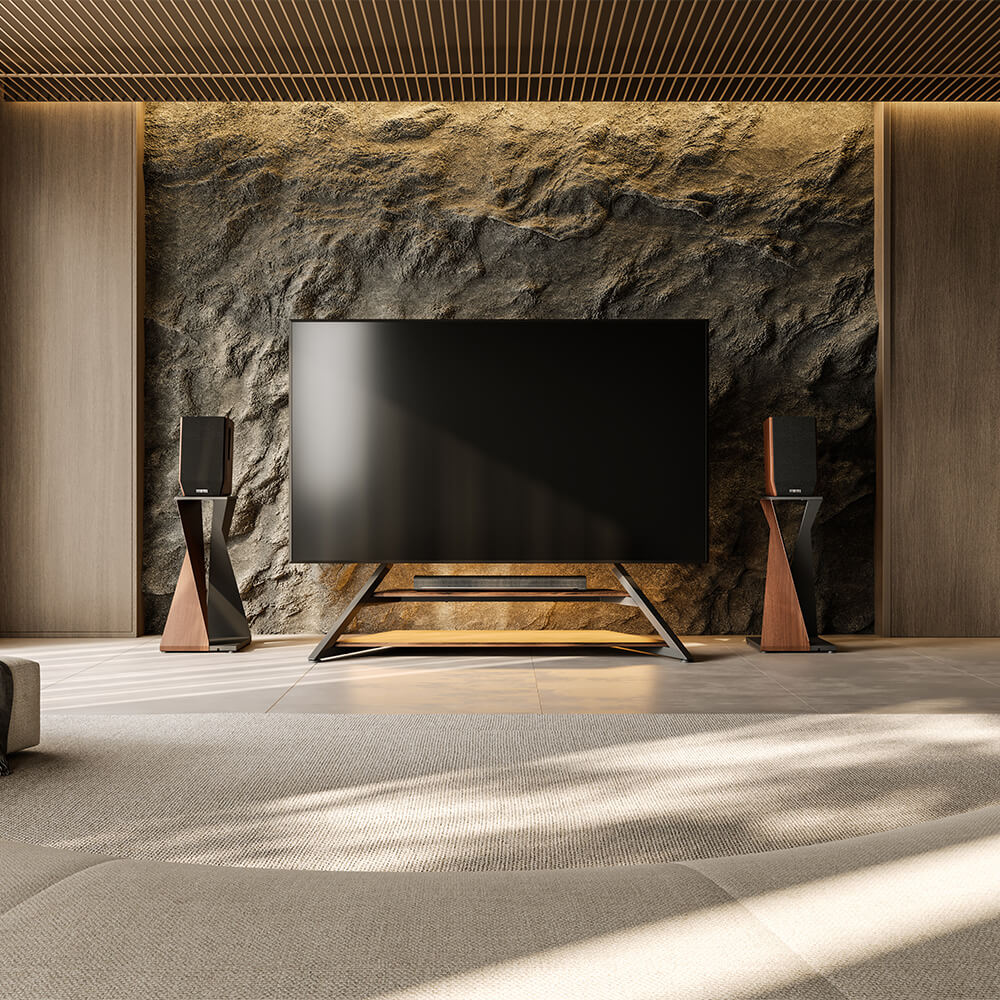
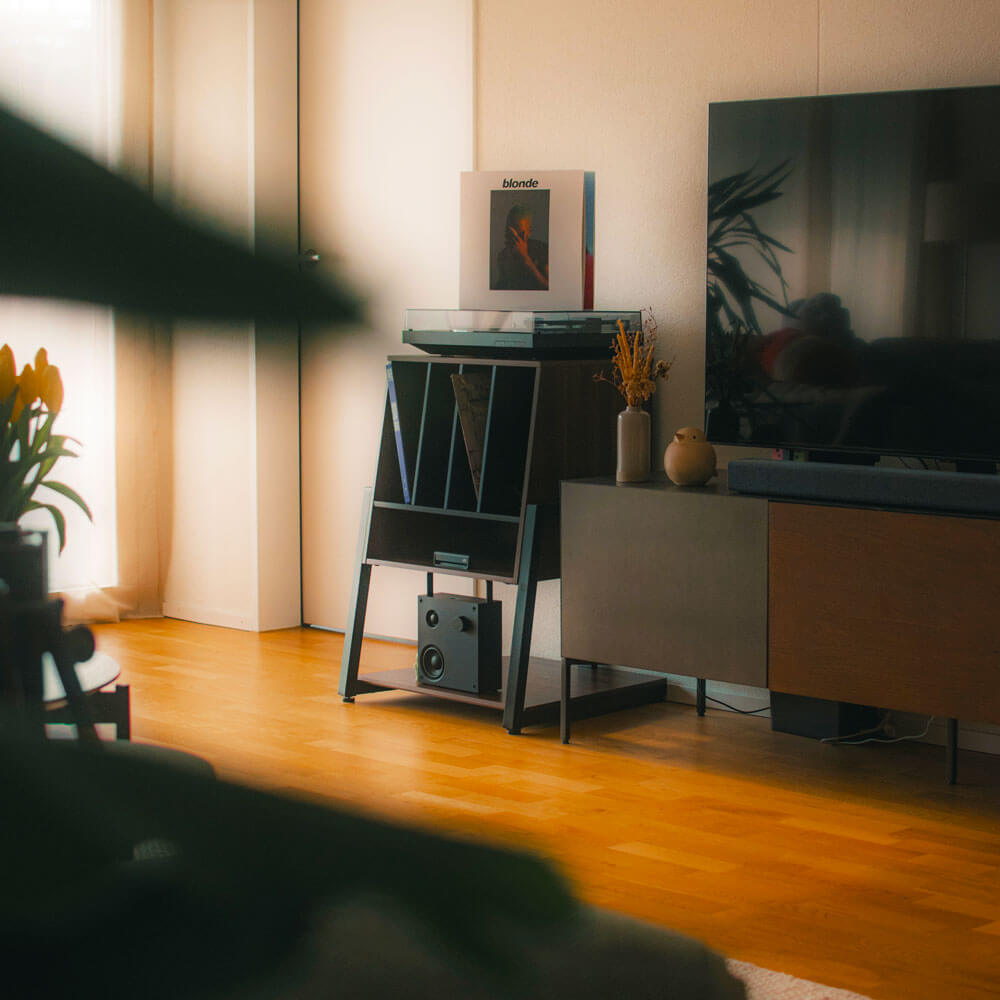
Style 1: Traditional Floor-Standing Consoles & Enclosed Cabinets
These are the standard grounded entertainment centers that sit directly on the floor or rest on short legs.
- The Wins: Ultimate weight capacity, maximum hidden storage depth for family clutter, and zero wall damage.
- The Losses: They have a massive physical footprint. They eat up valuable floor real estate and can make tight walkways or small apartments feel incredibly cramped.
Style 2: Wall-Mounted Floating Consoles
These units bolt directly into your wall, completely eliminating table legs and leaving open space underneath.
- The Wins: They instantly make small rooms feel larger and allow robot vacuums to clear the floor effortlessly.
- The Losses: Highly destructive and complex installation. You cannot rely on standard drywall anchors; they must be bolted deep into wall studs. They also offer very limited storage depth.
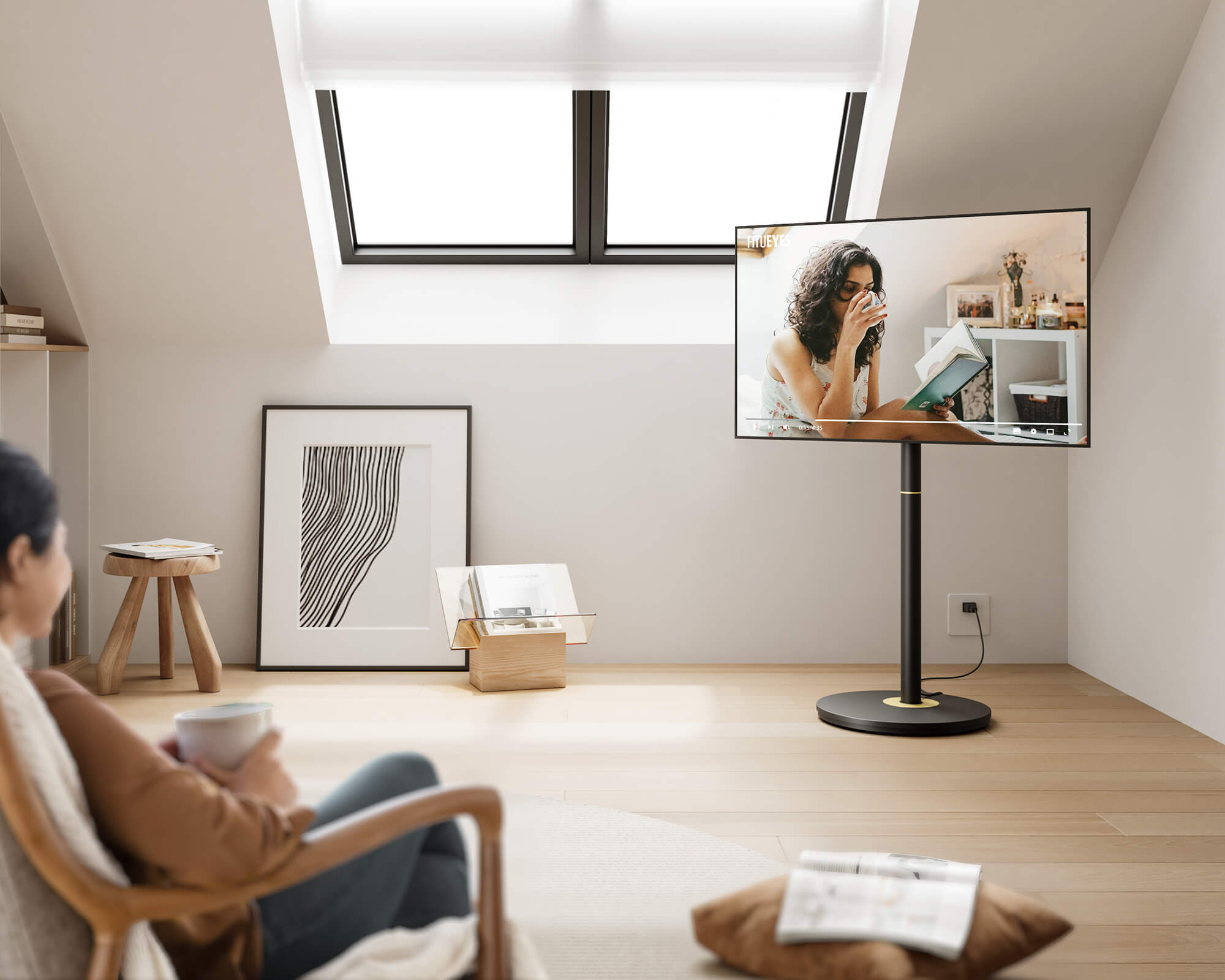
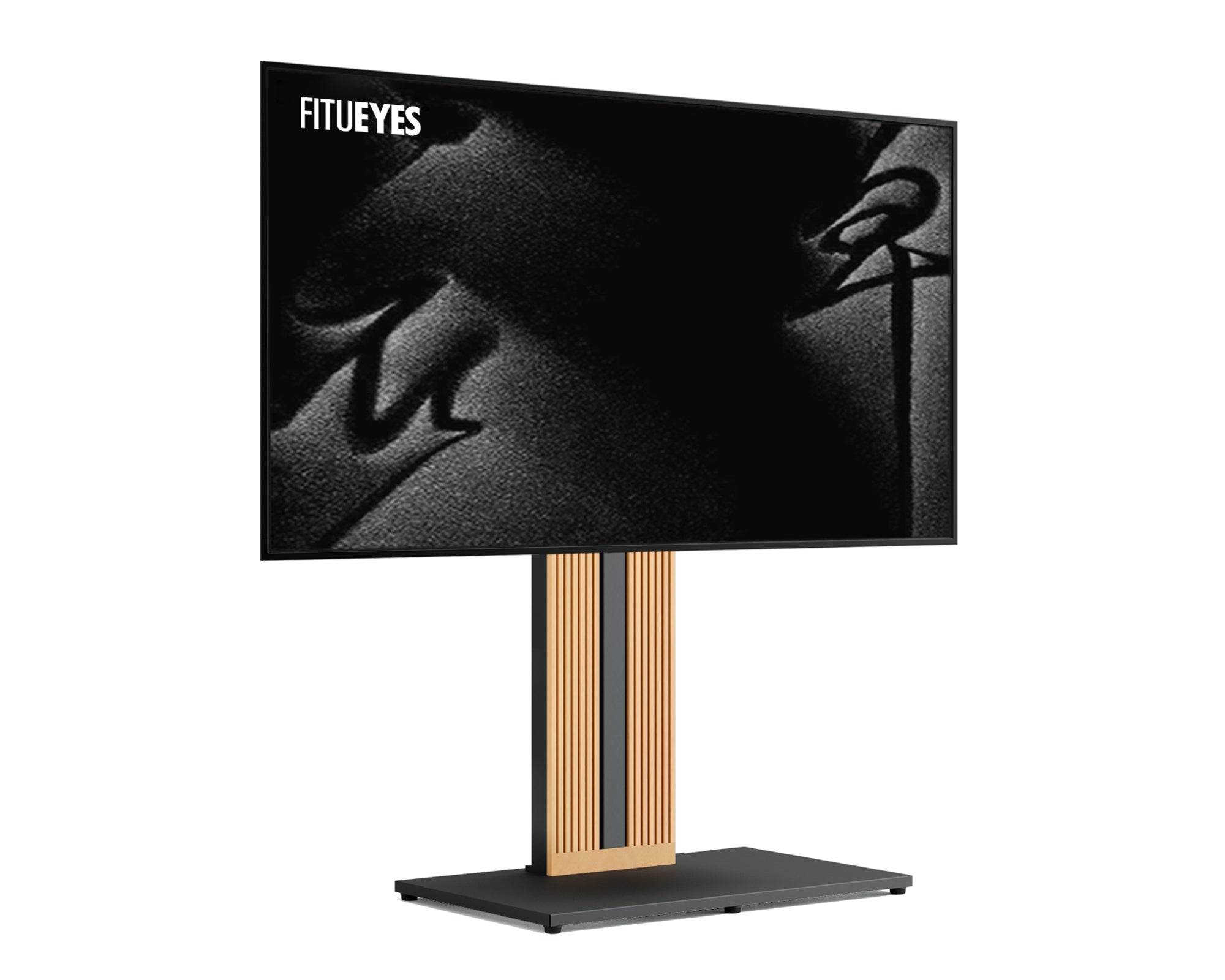
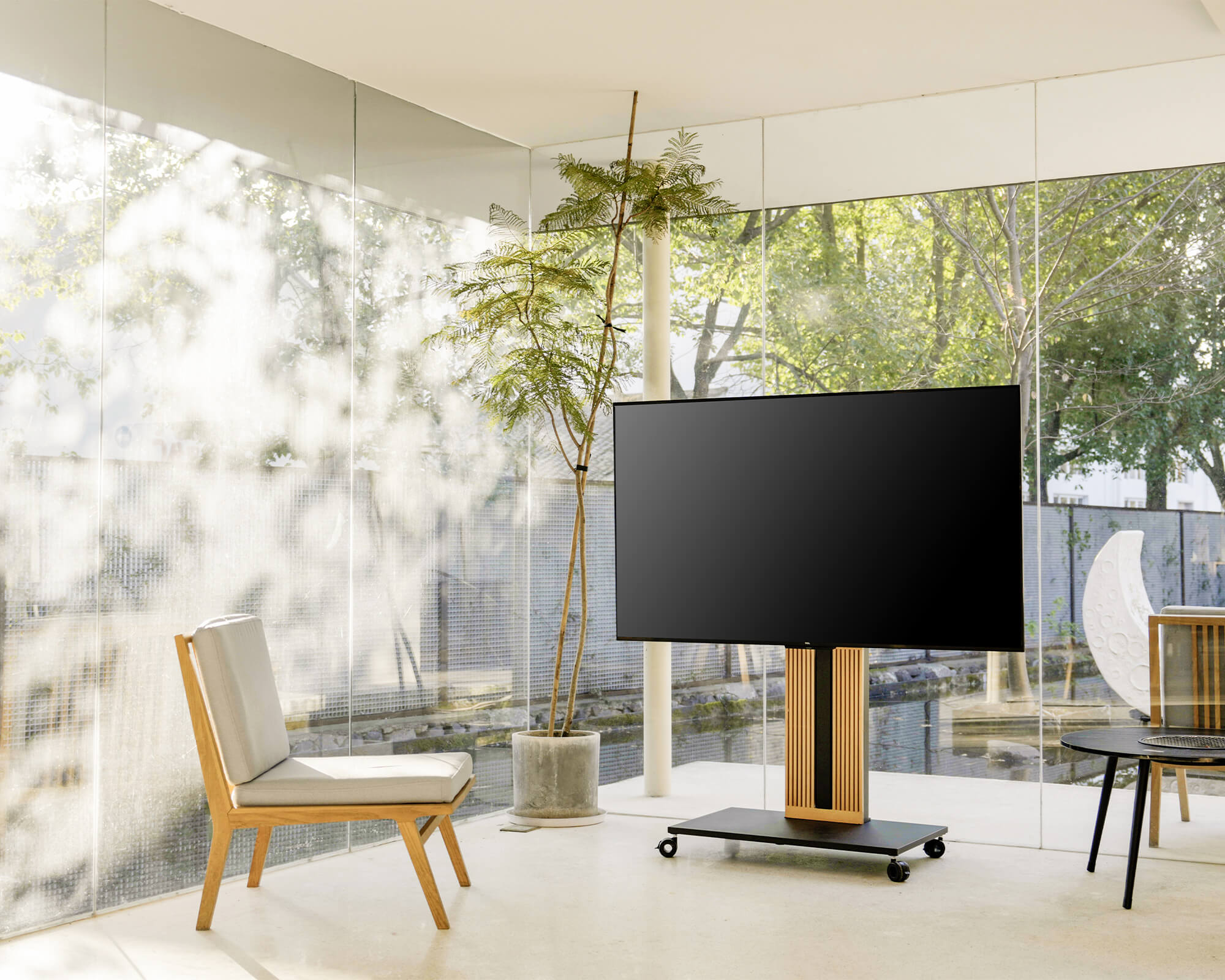
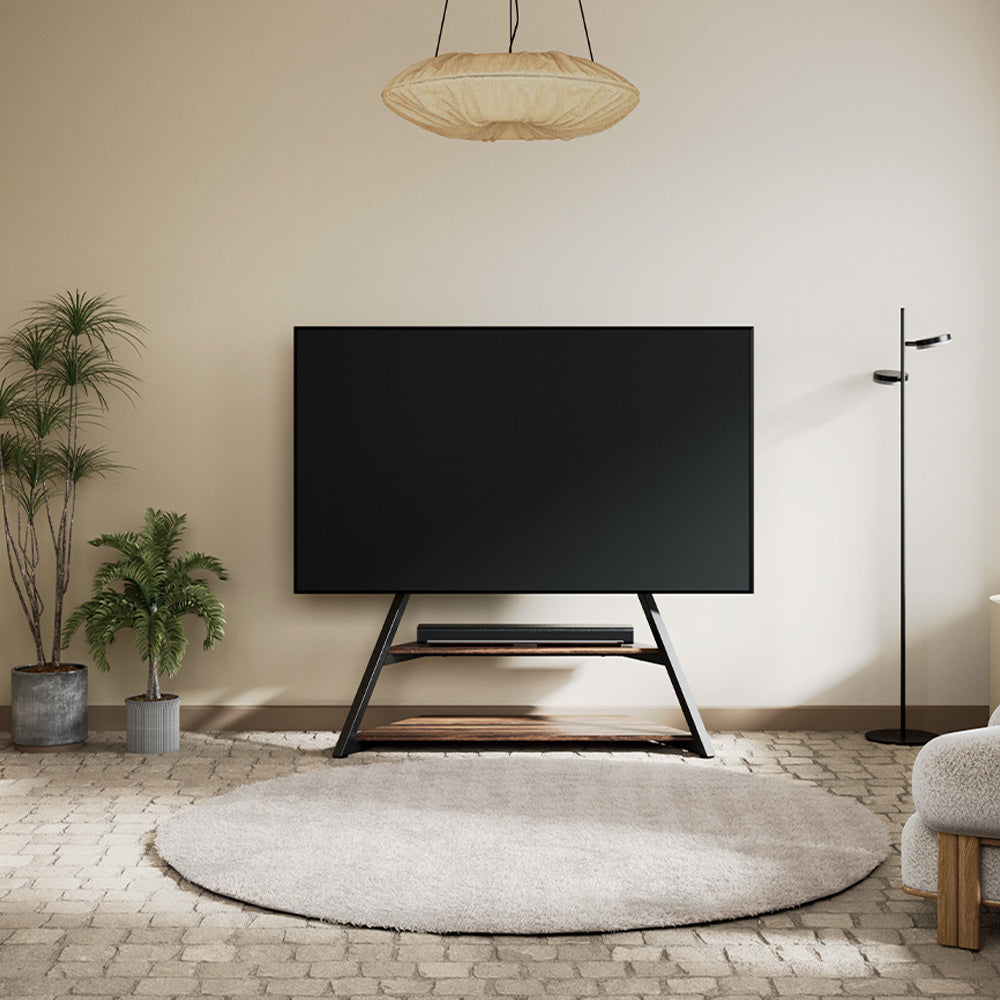
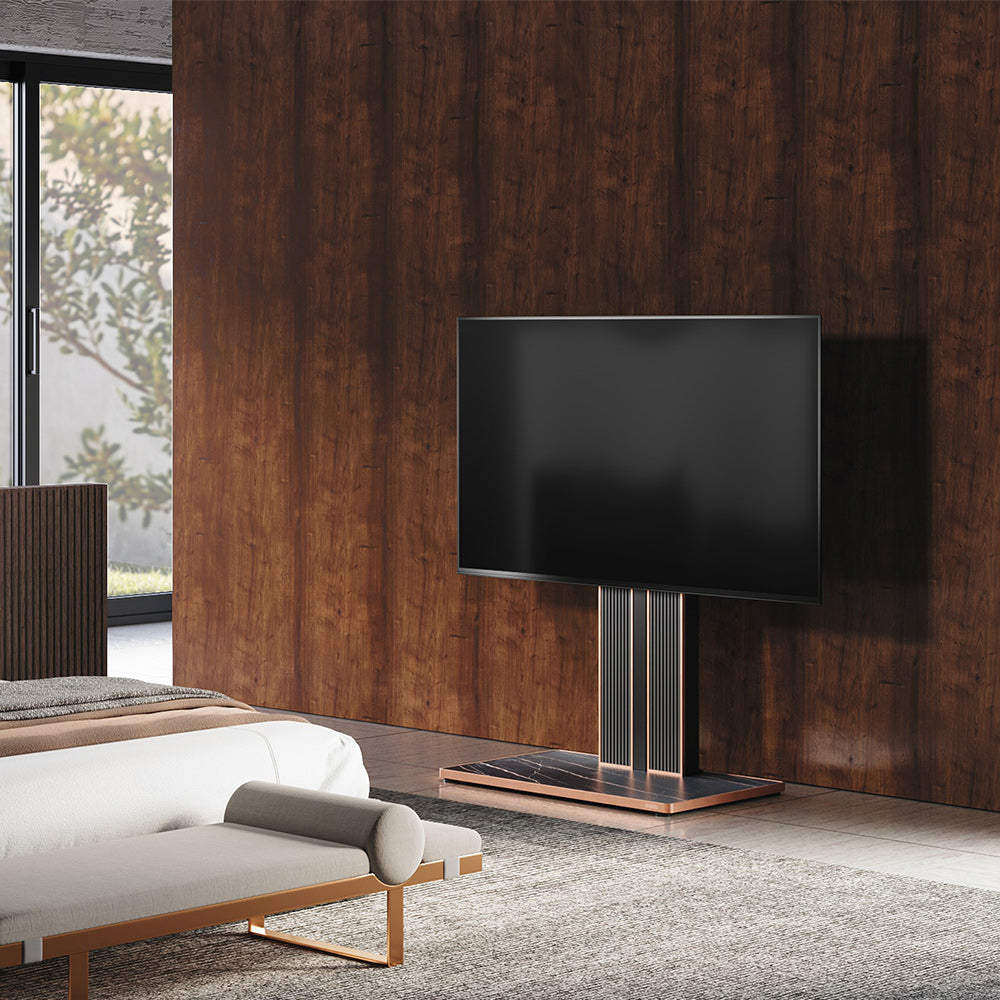
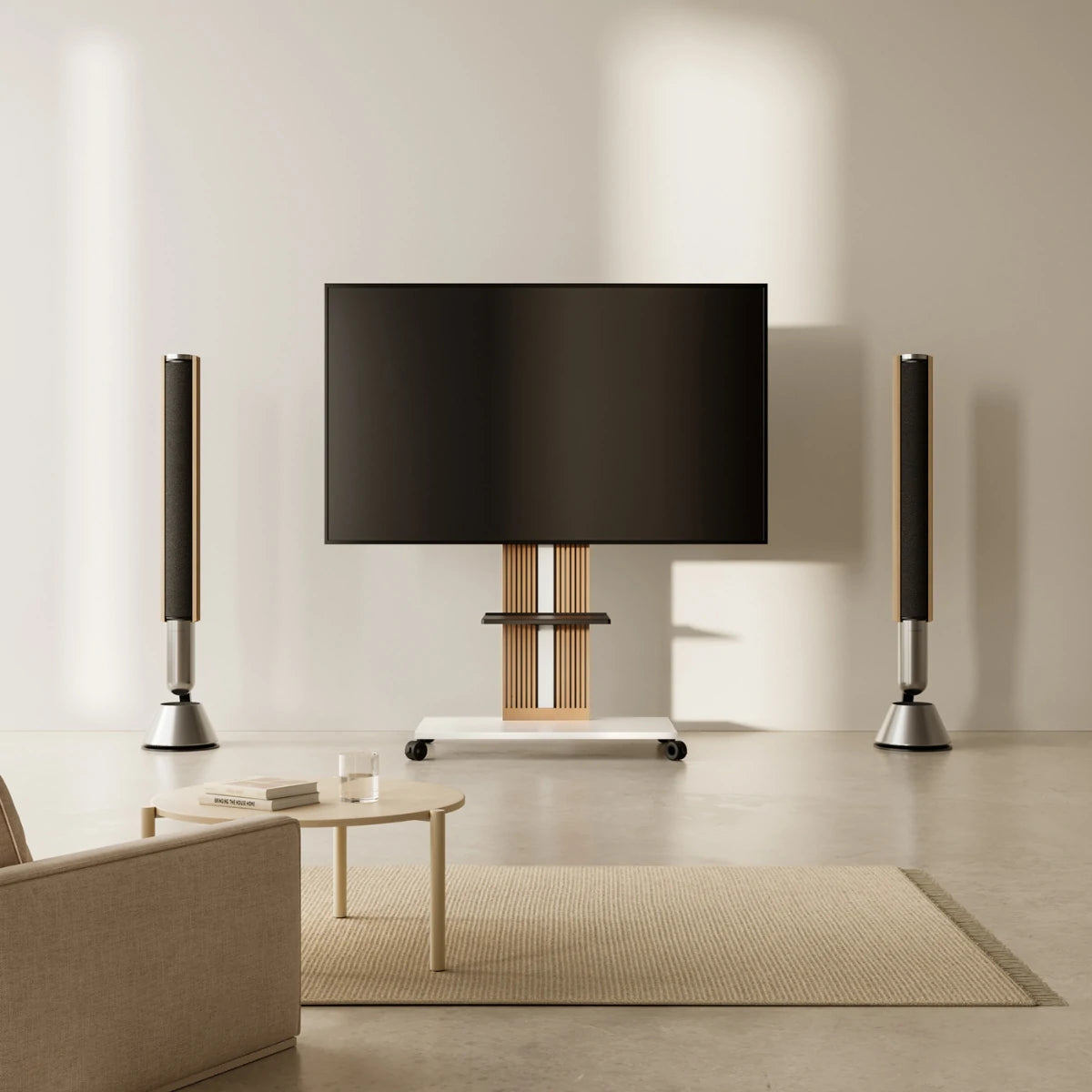
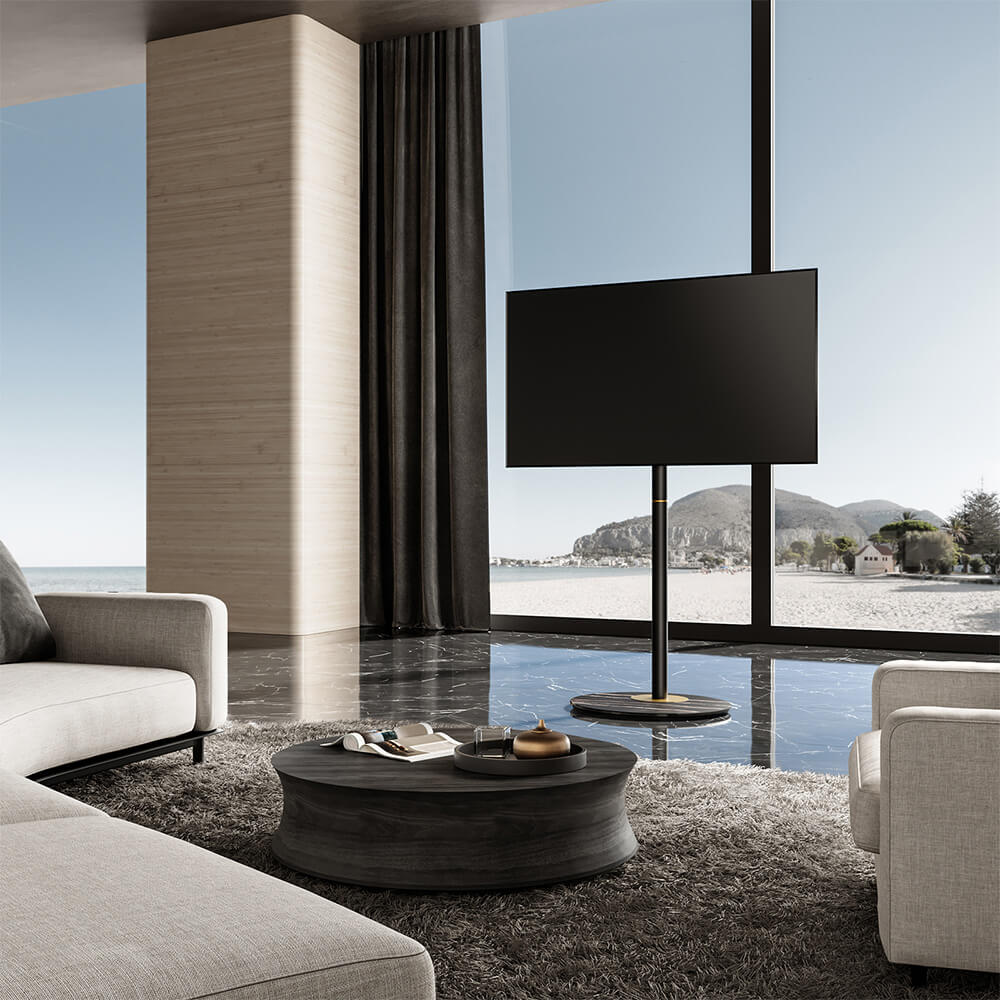
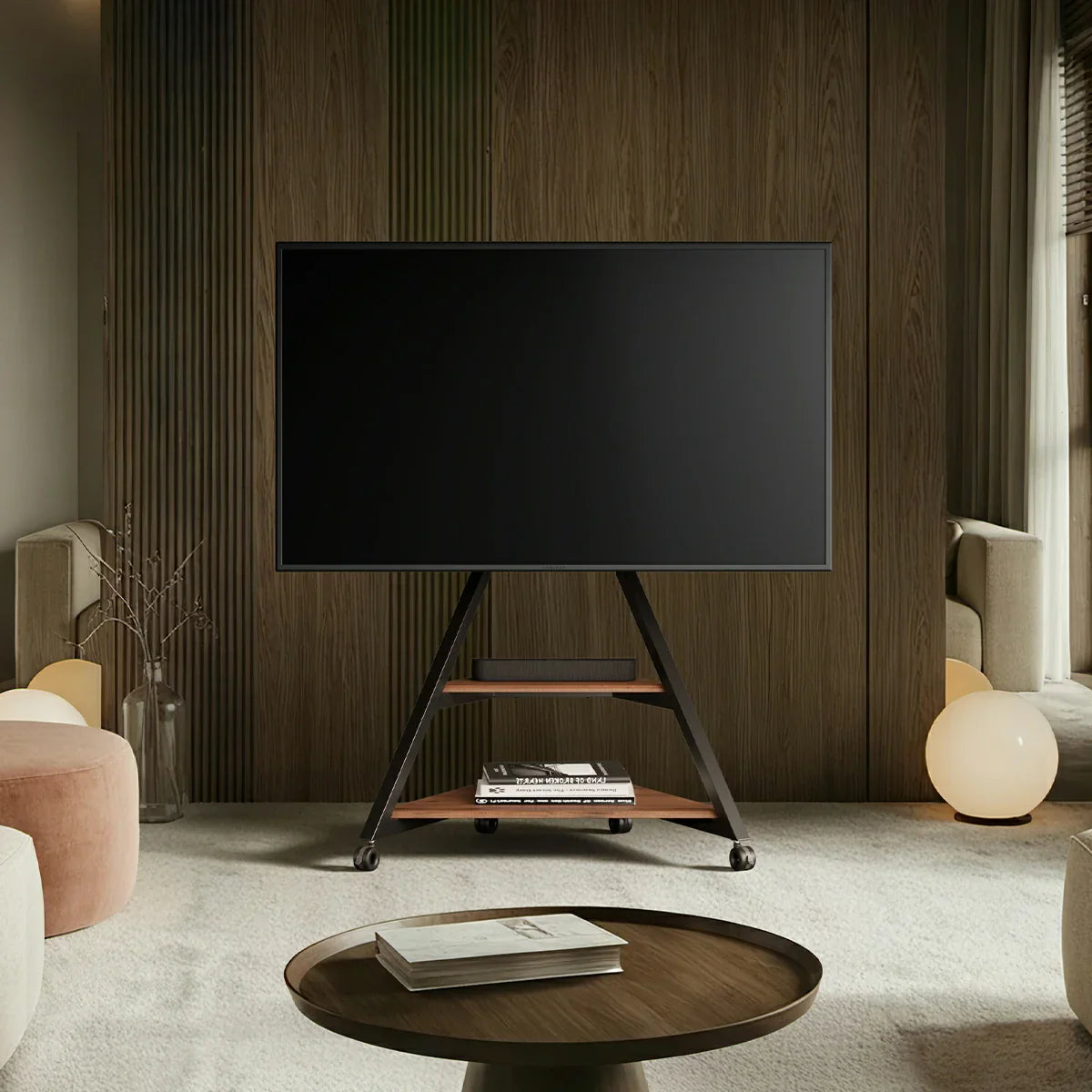
Style 3: Modern freestanding Floor TV Stands (The Minimalist Column & Easel Style)
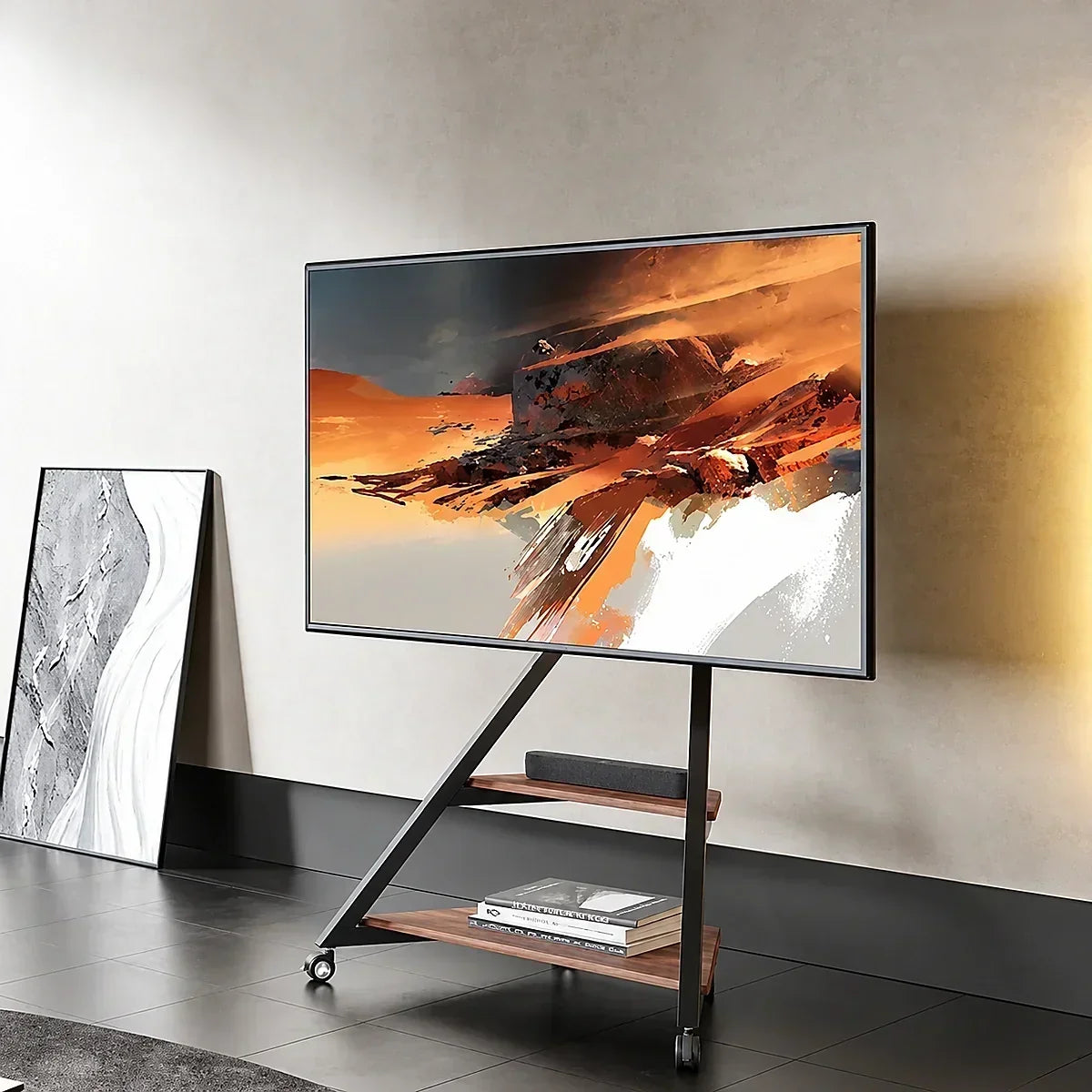
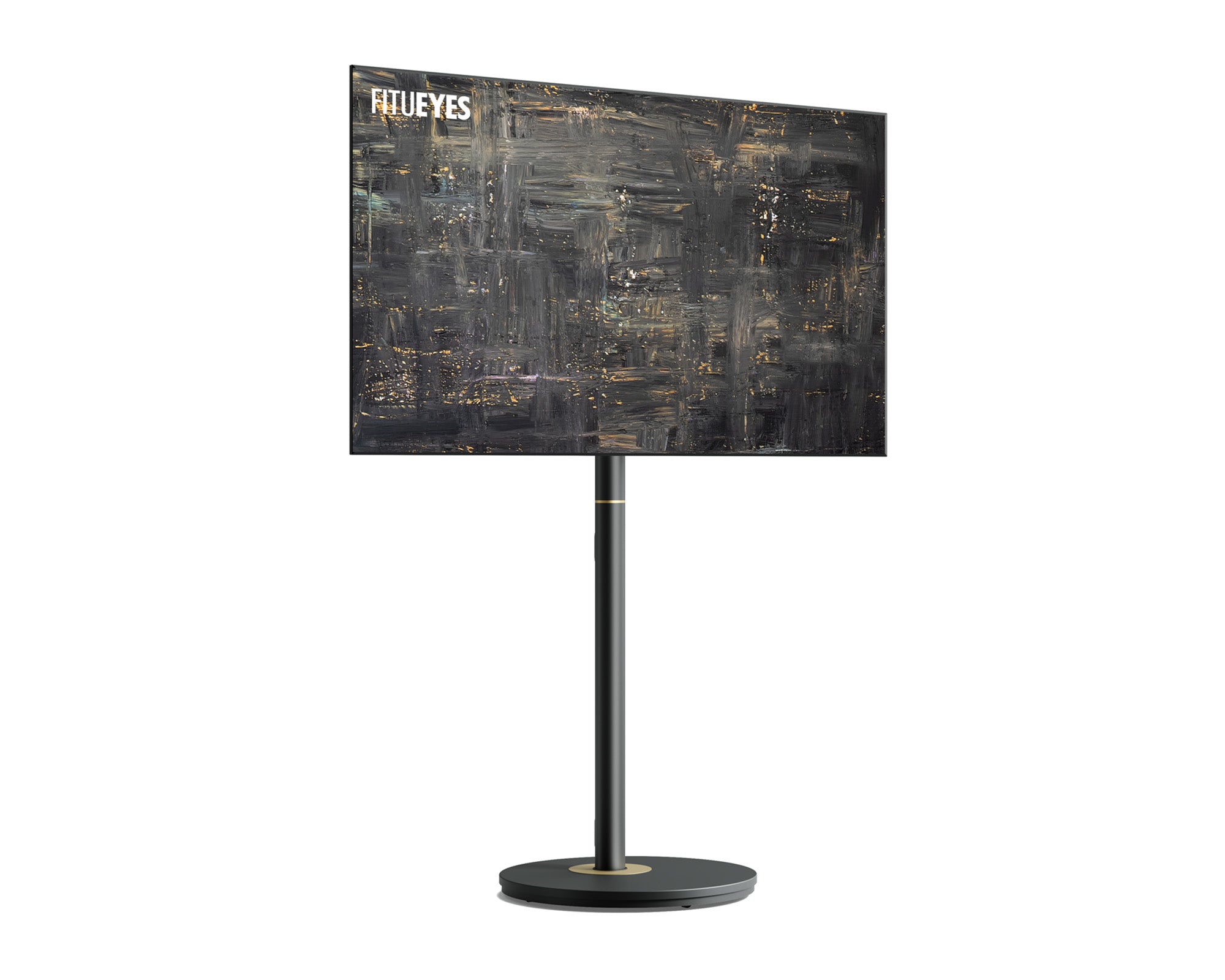
The ultimate modern hybrid solution. These stands utilize a heavy-duty, ultra-slim vertical column or an artistic easel-frame structure to hold the TV without requiring a bulky cabinet or a wall mount.
- The Wins: The sleek, space-saving look of a wall mount with absolutely zero drilling. They take up a fraction of the floor space compared to a traditional console, feature built-in swiveling and height adjustability, and look like a piece of structural art.
- The Losses: Modern TV stands are less dustproof than other types of TV stands, and some minimalist style TV stands also have less storage space.
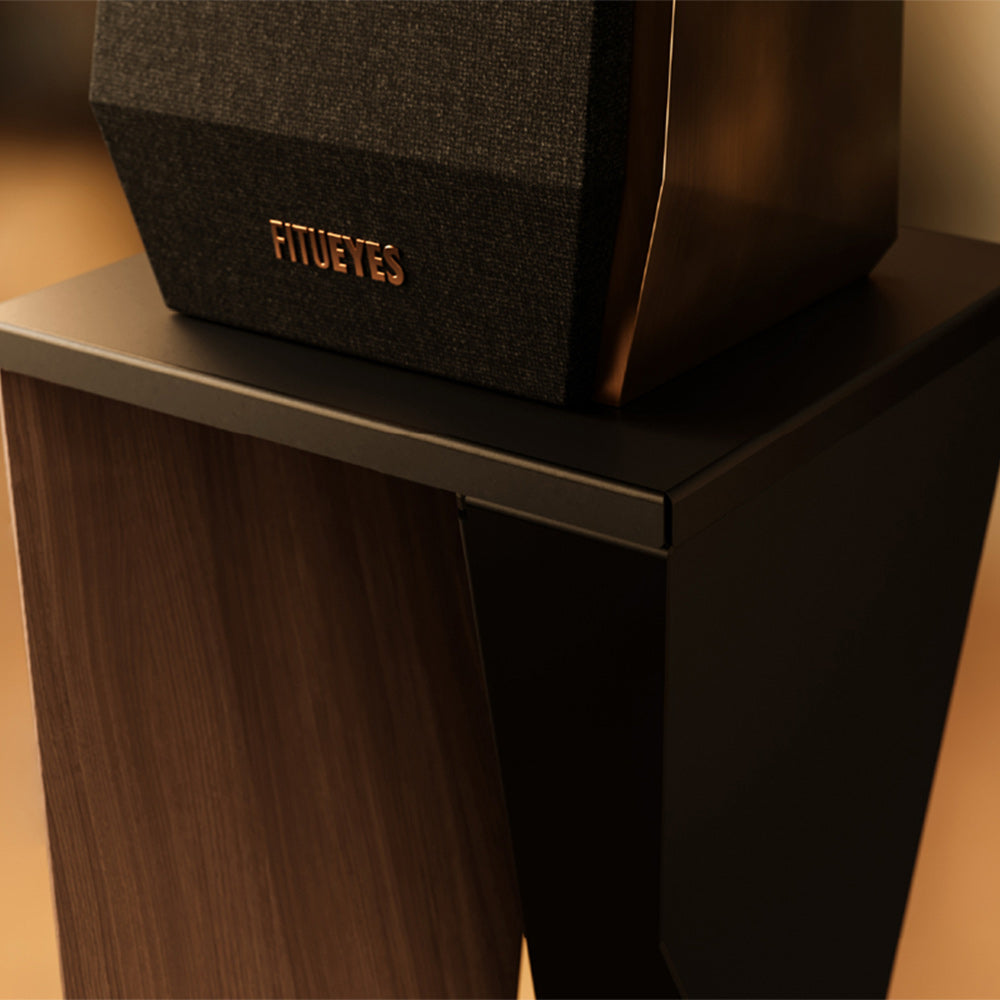
FITUEYES: Audio-Visual Gear Meets Functional Art
If the freestanding floor stand style appeals to you, brands like FITUEYES offer a fresh perspective on this category. Developed with a focus on moving away from traditional, bulky living room media centers, their designs aim to blend seamlessly into your decor, functioning almost like a piece of interior sculpture.
By pairing ergonomic engineering with minimalist aesthetics—as seen in their signature Picasso and Zen artistic easel series—FITUEYES provides homeowners and renters with much more flexibility to place their screens throughout a room. It delivers the space-saving elevation of a wall mount without the structural damage, creating a versatile setup tailored to fluid, modern lifestyles.
Part 3: Hardcore Functional Features (The "Must-Haves")
Beyond the layout, the daily usability of your media center relies on specific, practical design elements:
- Integrated Cable Management: Cable chaos can easily ruin a modern room. Look for setups featuring integrated wire control—whether that means rear panel grommets on cabinets, or hidden cable-routing channels built directly inside the support pillars of floor stands to keep power cords completely invisible.
- Ventilation and Heat Management: Home theater electronics generate massive amounts of heat. If using closed cabinets, ensure they have rear ventilation cutouts. If you hate heat buildup entirely, open shelving or open-frame floor stands provide 100% unrestricted airflow.
- Flexibility (Swivel & Height Adjusts): Fixed cabinets lock you into one viewing angle. Modern freestanding floor stands excel here, allowing you to swivel the screen up to 30 or 40 degrees so you can watch perfectly from the couch, the dining table, or an open kitchen,It can also avoid the viewing effect of glare.

Part 4: The Ultimate Decision Matrix
To finalize your purchase, match your specific household priorities and room layout against this choice table:
| If Your Household Scenario Is... | Then Your Best Match Is... | Key Reason / Value |
|---|---|---|
| Renting your home, or completely refusing to drill permanent holes into your drywall, brick, or stone walls. | Traditional Cabinet or Freestanding Floor TV Stand | Delivers a stable setup with zero structural damage to your property. |
| Wanting the clean, elevated look of a wall mount, but needing the freedom to rearrange your room layout or move the TV later. | Minimalist Freestanding Floor TV Stand (Easel or Column design) | Offers the slim footprint of a wall mount with 100% mobility. |
| Having a busy household with kids or pets, heavy living room clutter, and dozens of loose wires to hide. | Traditional Enclosed Cabinet with Solid Doors | Provides maximum hidden storage and handles an anti-tip safety kit. |
| Wanting your media zone to feel like a high-end art gallery rather than a standard tech-heavy center. | Artistic Easel-Style Floor Stand (e.g., FITUEYES Picasso/Zen series) | Transforms your television into a sleek, design-forward focal piece. |
| Using a robot vacuum to clean your home daily and needing zero floor obstructions. | Floating Wall Unit or a Slim-Base Floor Stand | Leaves the surrounding floor space 100% clear and easy to clean. |
Pre-Purchase Checklist
Before clicking "buy," run through these quick verification steps:
- [ ] I have verified either the total width of my cabinet OR the VESA hole pattern for my floor stand.
- [ ] The stand's height capacity places the center of my screen aligned with my seated eye level.
- [ ] My chosen setup features a dedicated, hidden pathway to fully conceal trailing power wires.
- [ ] The weight capacity of the stand safely exceeds the physical weight of my television.
- [ ] The finish (wood tone, matte black metal, or powder-coated steel) complements my existing room accent pieces.
FAQs
1. Is a freestanding floor TV stand stable?
Yes. High-quality floor stands are engineered with heavy-duty, weighted bases (often made of thick tempered glass, solid iron, or premium hardwood) and low centers of gravity. Even without drilling into the wall, they are incredibly secure and highly resistant to accidental tipping from pets or toddlers.
2. Can a TV stand work in a bedroom or home office?
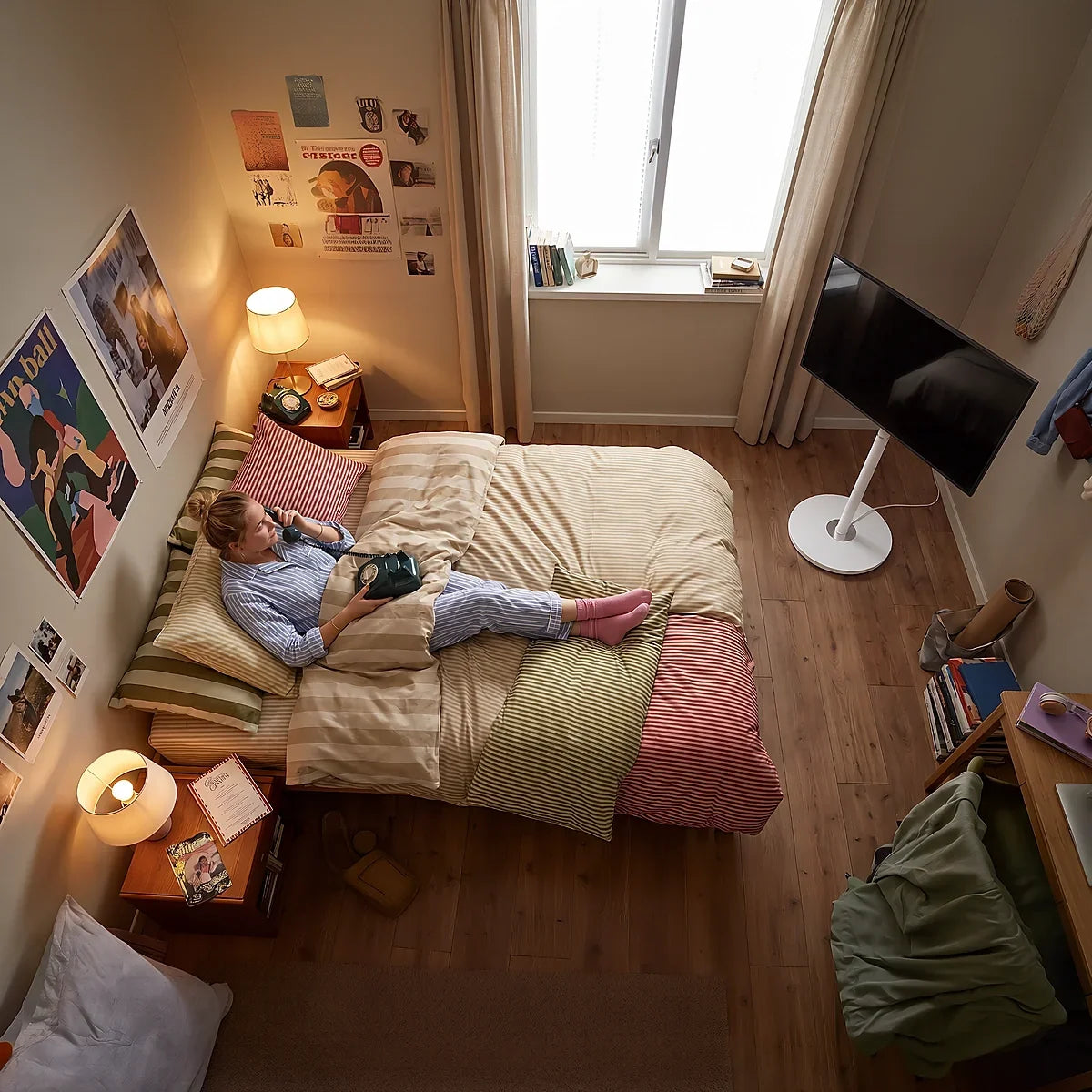
Yes, but height is key. Bedroom TV stands generally need to be much taller so the screen safely clears the footboard of your bed when you are lying down. This is where height-adjustable column floor stands work beautifully, as they can be raised significantly higher than standard low-profile living room cabinets.
3. How do I hide wires if my stand doesn't have doors?
Modern minimalist TV stands solve this by using hollow vertical support pillars. You simply route your power strips and HDMI cords inside the column itself, allowing them to exit cleanly at the very bottom of the base near your wall outlet.
Ready to Elevate Your Living Space?
Choosing a modern TV stand is the perfect intersection of home logic and personal style. Whether you need a heavy-duty storage cabinet to tuck away family clutter, a floating shelf to free up floor space, or a sleek, design-forward floor stand that turns your television into a freestanding work of art, the right choice transforms your room's entire energy.
Ultimately, your next movie night shouldn't be compromised by cable chaos, bulky furniture, or poor viewing angles. As you grab your tape measure and run through the five-point pre-purchase checklist, keep both functionality and style in mind. For those looking to transform their television into a sleek focal point, browsing through the FITUEYES TV Stand Collections can provide the inspiration needed to find a truly artistic, space-saving architectural anchor for your modern home.