




A TV stand is one of those items we often buy based on aesthetics. However, the right TV stand screws and mounting system are just as important in creating a stable, safe setup for your TV. But here’s the twist – the real magic in a stable, safe television setup often comes down to something we barely notice: the TV stand screws.
Indeed, the little pieces of metal that hold your TV on the stand could be working harder than you ever imagined. The proper selection of them may mean the difference between a TV that feels solid and one that jitters every time somebody walks by.
Why Those Screws Aren’t Just an Afterthought?
Once the TV is mounted, the screws disappear from sight. Out of sight, out of mind, right? Not quite. Those TV stand screws carry the full weight of your television, keeping it anchored to the stand. If they’re the wrong size or made from poor-quality material, stability becomes an issue – and in the worst case, safety too.
Another consideration for regions with high humidity, especially in coastal areas, is the risk of corrosion. Less expensive screws could corrode very easily when being exposed to moisture, and may lead to stability issues or damage over time.

A Quick Guide to TV Screw Types
The standard screws fitted on most modern televisions are VESA-compatible: a set of recommendations that outline hole-to-hole mounting distance at the back of a television.
This is what you are likely to find:
- M4 screws for TV stand – Usually for TVs up to about 32 inches.
- M6 screws for TV – For medium-sized sets, roughly 32 to 55 inches.
- M8 TV mount screws – Heavy-duty, for large screens over 55 inches.
The diameter is only half the story. Length matters too. A screw that’s too short won’t hold securely. Too long, and it could press into the internal parts of the TV. Neither is a risk worth taking.
Finding the Right Screws Without Guesswork
Here’s the smart way to figure it out:
- Check your TV manual – Most will list the recommended screws for TV stands, including whether M6 screws for TV or M8 TV mount screws are required based on your TV’s size.
- Measure the mounting holes – Useful if you’ve lost the manual.
- Ask a reputable store – Many big-box retailers and online stores keep reference charts for popular TV brands and models, making it easier to get the right screws.
If you’re unsure, always stick to the exact specifications from the manufacturer. Guessing here can cost more than you think.

The Stand Matters Just as Much
Even with the perfect screws, a flimsy TV stand mounting can undo all your careful planning. Look for:
- A wide, stable base that doesn’t rock.
- Non-slip feet to grip smooth tiled floors.
- Solid construction that won’t sag or warp over time.
Most American homes use the TV stand as more than just a mount – it’s a display shelf, storage unit, and central part of the living room decor. Choosing the right materials can make all the difference, learn more in our TV Stand Materials Revealed guide.
Choosing Based on Lifestyle
It’s not just about what fits your TV – it’s about what fits your life.
- Kids in the house? Go for a low stand with a wide base to lower the tipping risk.
- Living in a small apartment or studio? A stand with built-in storage will help maximize your space.
- Movie nights a priority? Find a TV stand mounting system that can accommodate bigger screens and have the cables concealed to make the set-up cleaner.
As long as your stand contributes to your daily routines, when you turn on the TV you are going to feel a difference. For tips on how to extend the life of your TV stand and cabinet, check out our guide on TV Stands and Cabinets Lifespan.

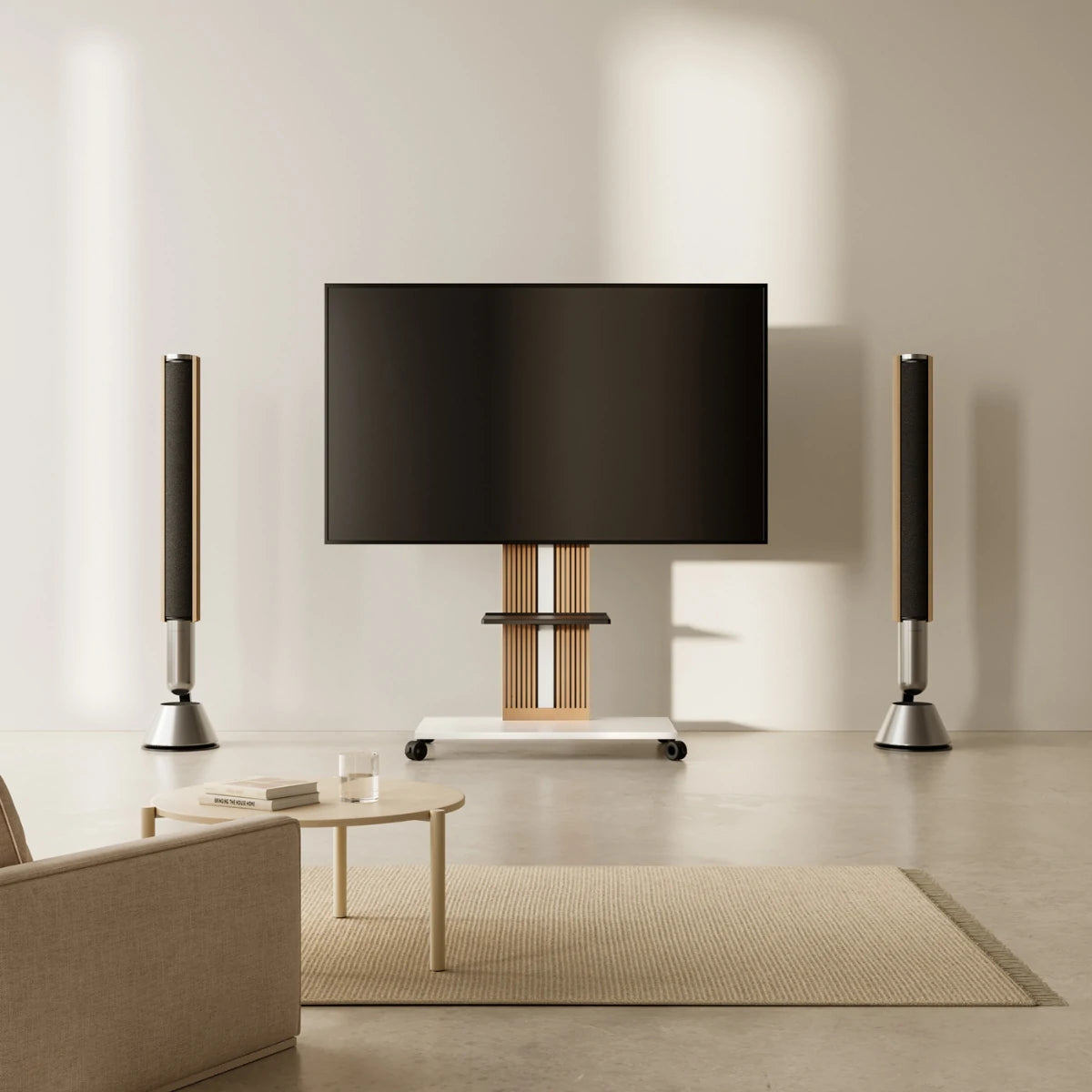
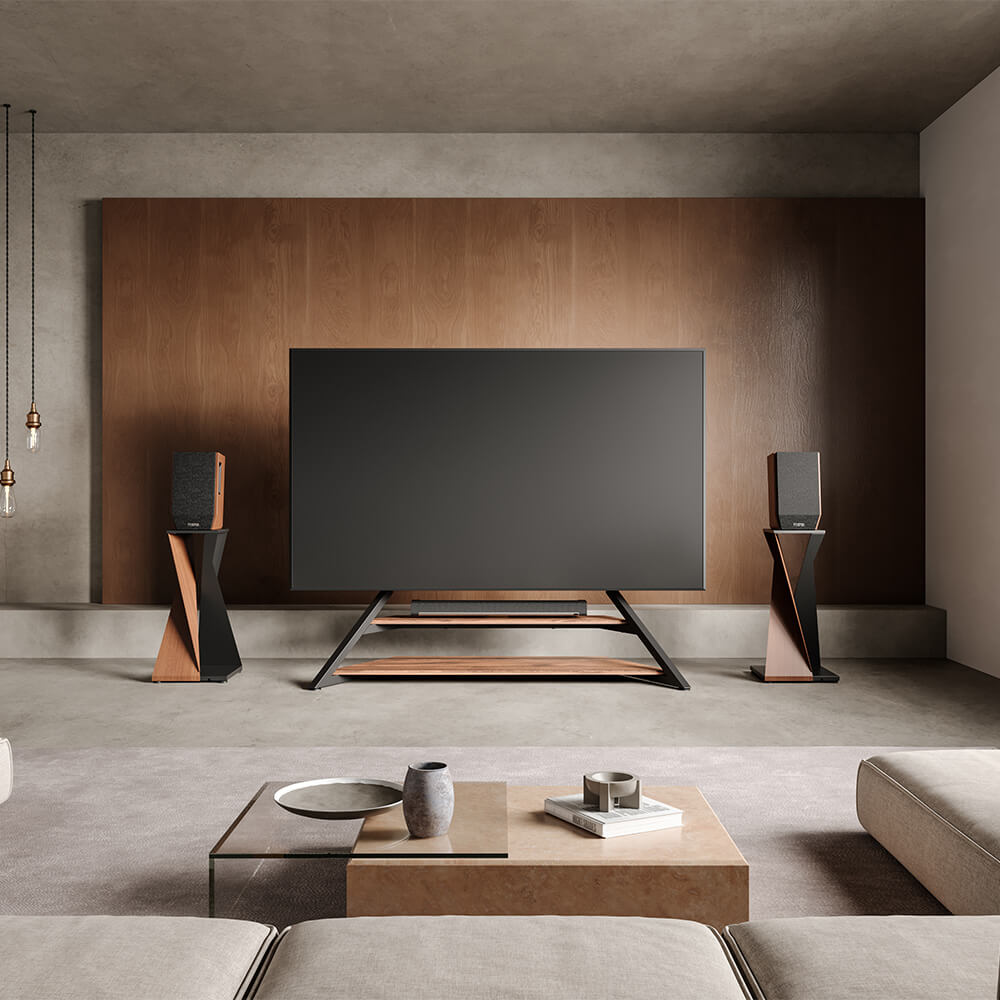
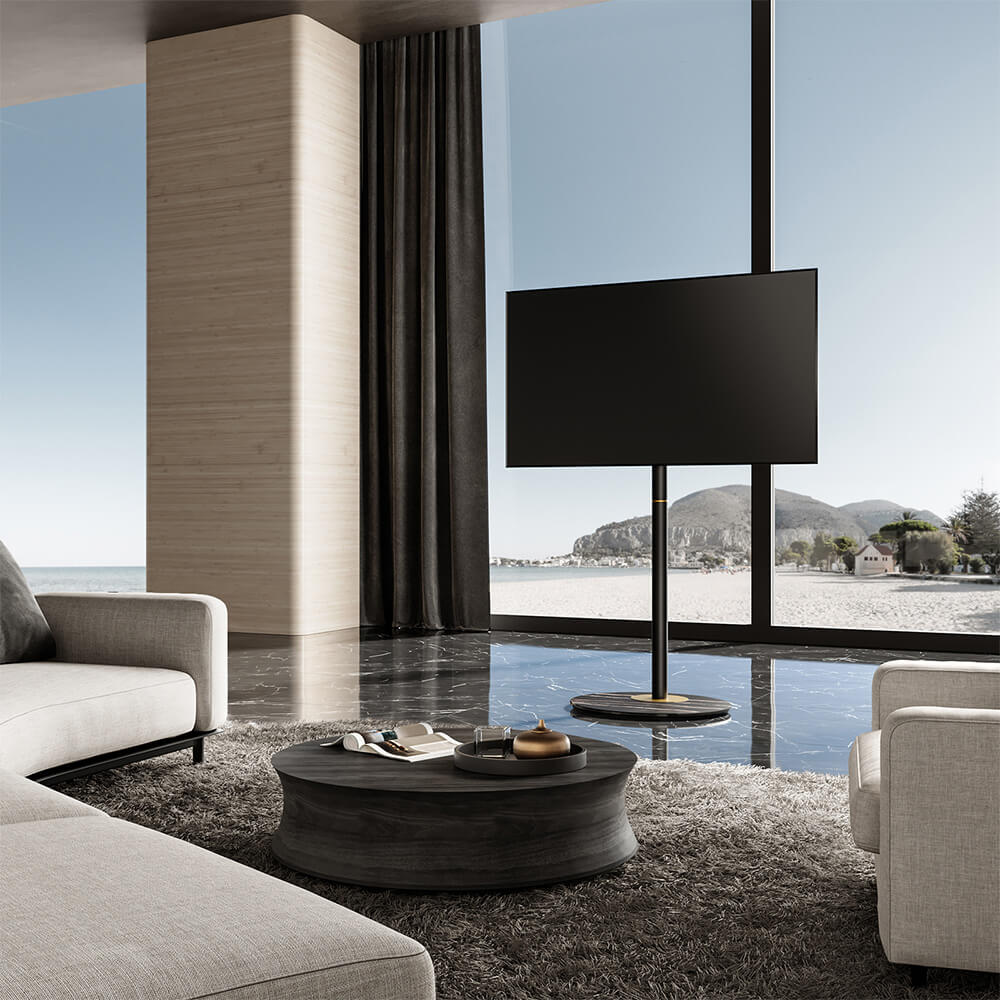
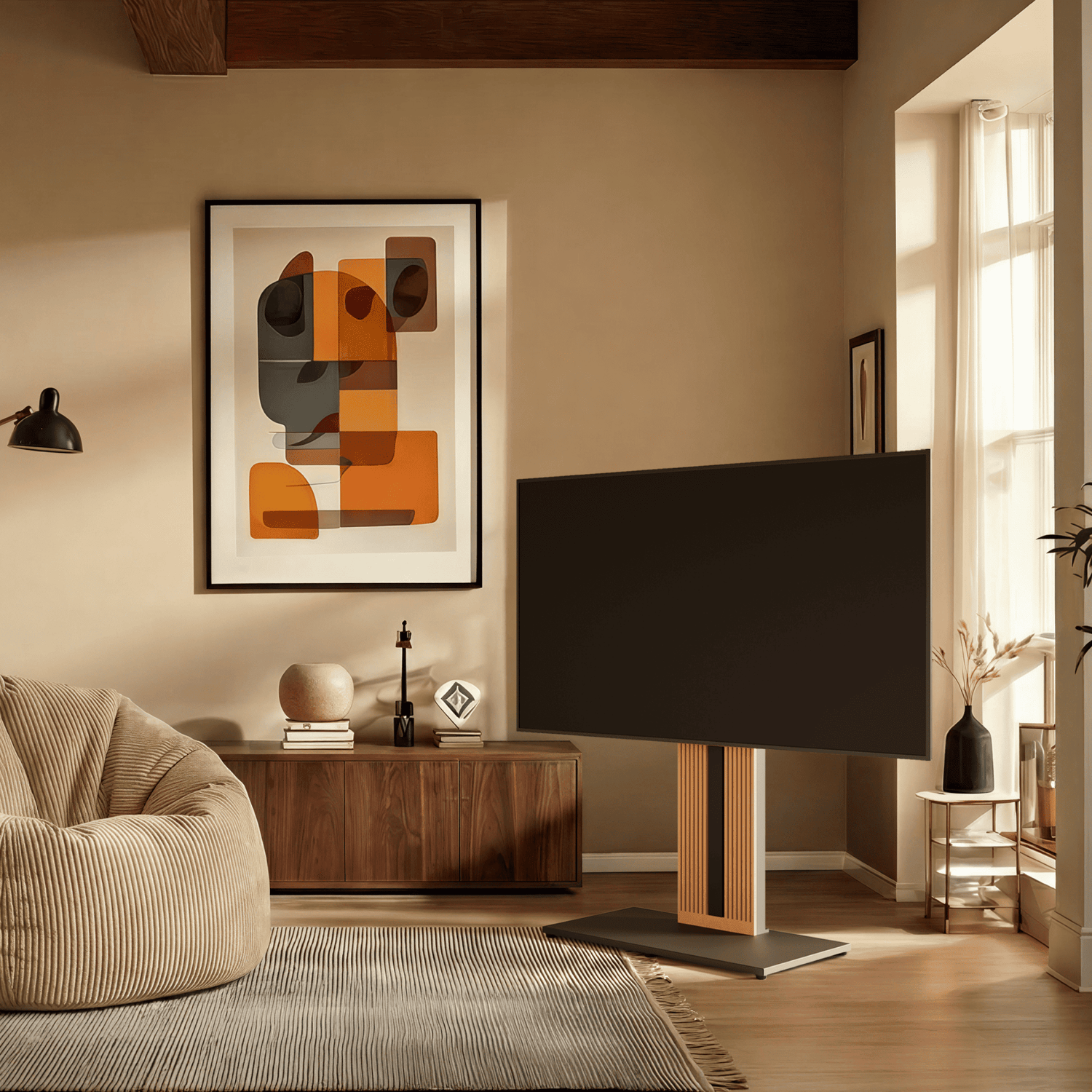
The image shows an installation example of the FITUEYES Picasso series.
Some Maintenance is a Great Idea
Loosening possibilities of the best TV stand screws exist. Feed them a brief check-up every couple of months. It may only require tightening. They need only a light rust-preventive coating to preserve them in good condition for many years, especially in coastal towns or areas with high humidity, like those near the Gulf Coast or on the West Coast.
Mistakes That Can Cost You
- Using “close enough” screws instead of the right ones (such as M4 screws for TV stand or M6 screws for TV) can lead to instability and potential damage.
- Over-tightening – which can strip the threads or crack the mount.
- Ignoring the stand’s weight rating – screws can’t save a stand that’s overloaded.
These are all easy to avoid once you know what to watch for.

The image shows an example of the FITUEYES Eiffel FT65 TV Stand installation kit; the actual contents may vary.
Final Word
The screws on which your TV rests may be tiny, but they are crucial. Add a robust, sturdily constructed stand to the mix, and you have a perfect, safe, and stable setup. Ignore them, and you could end up with a wobbly screen – or worse.
That’s why FITUEYES designs every TV stand with stability and user-friendly assembly in mind, often including a universal hardware kit to help ensure the perfect fit for your screen. Before you focus only on style, remember: the best TV stand is the one that looks great and holds strong, right down to the last screw.