


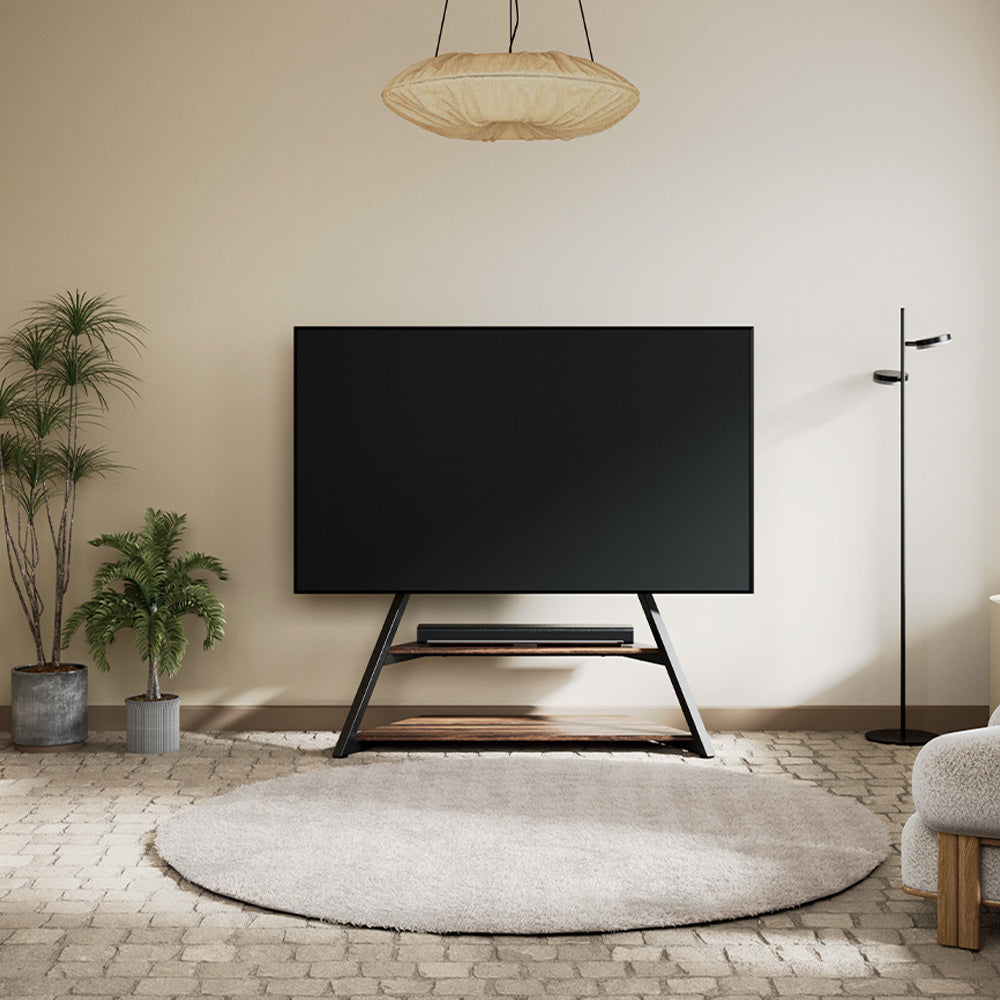
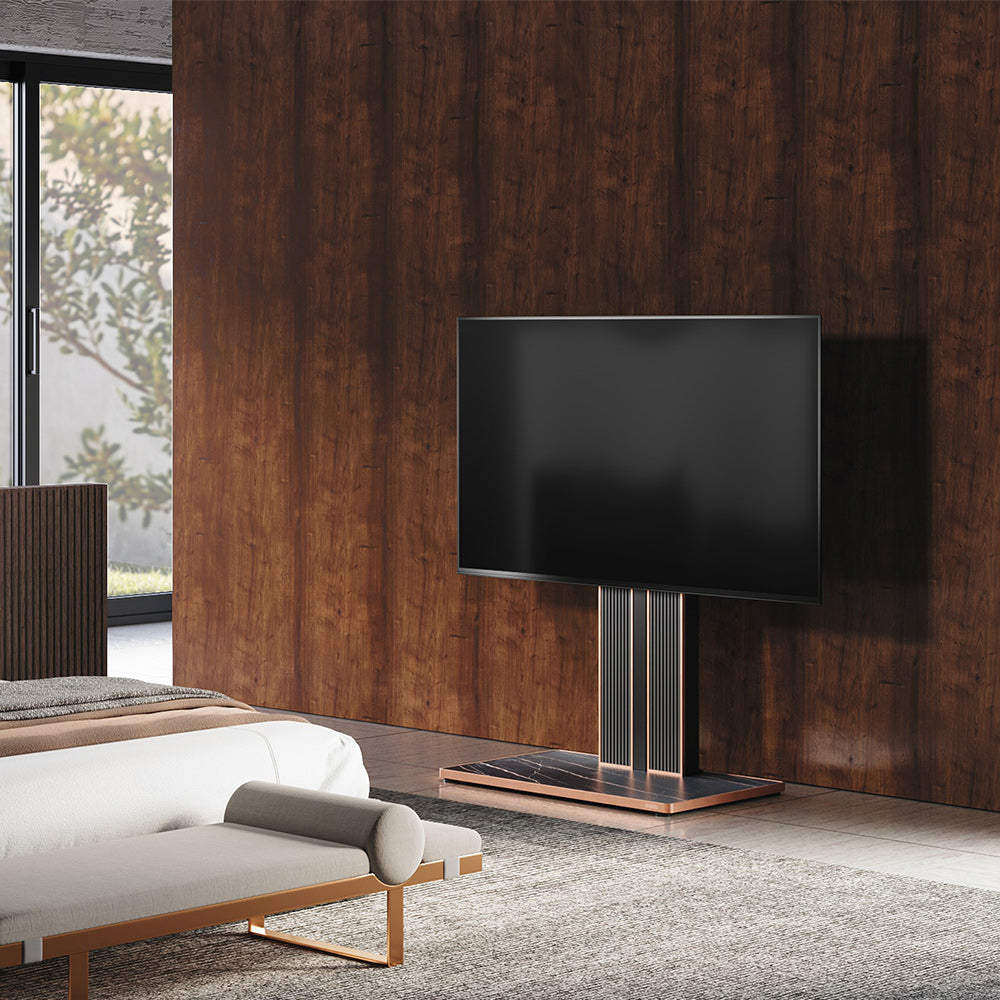
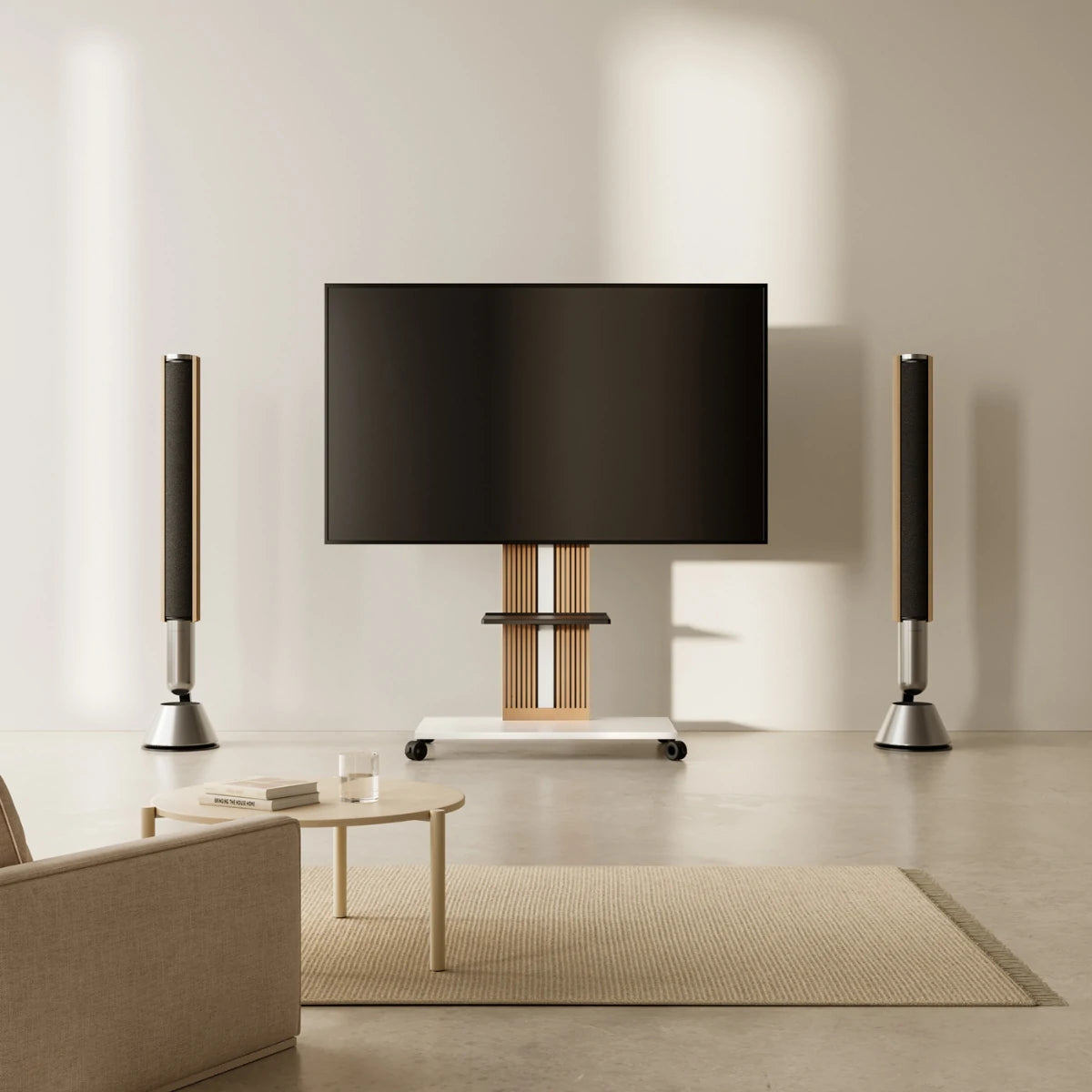
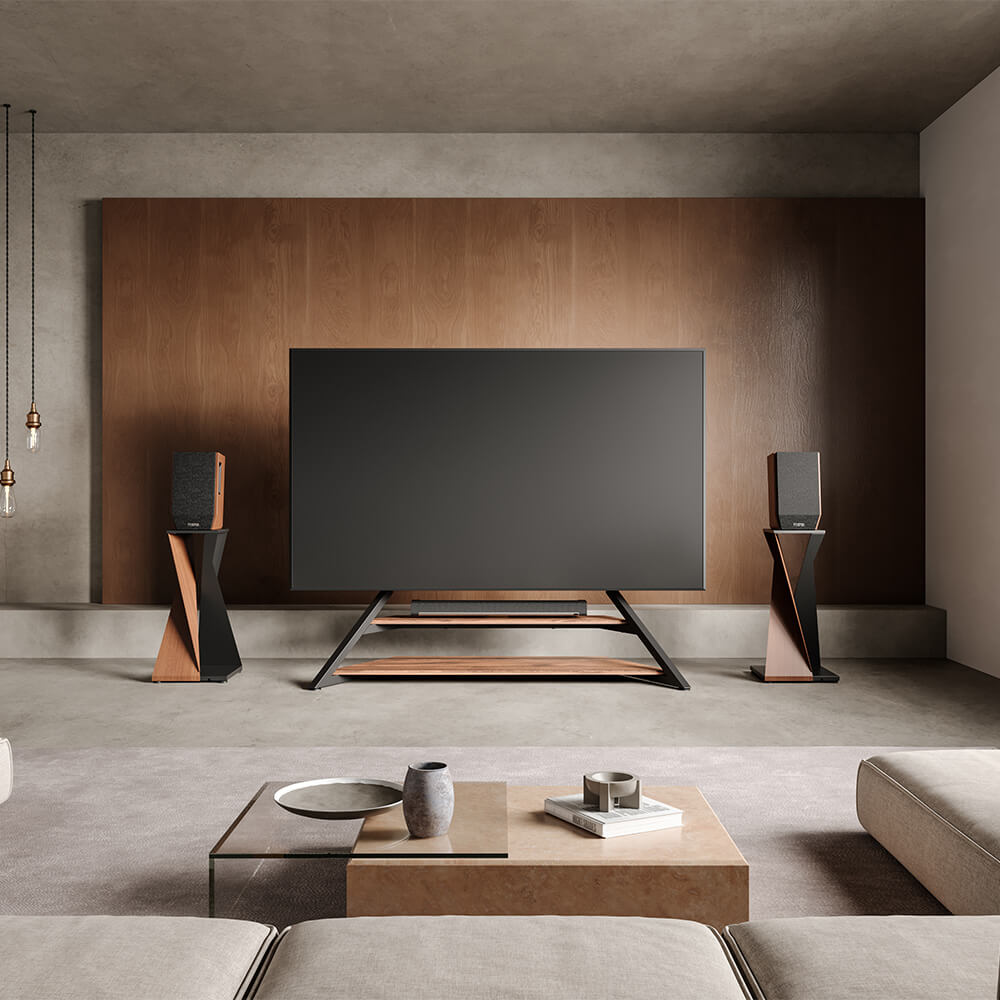
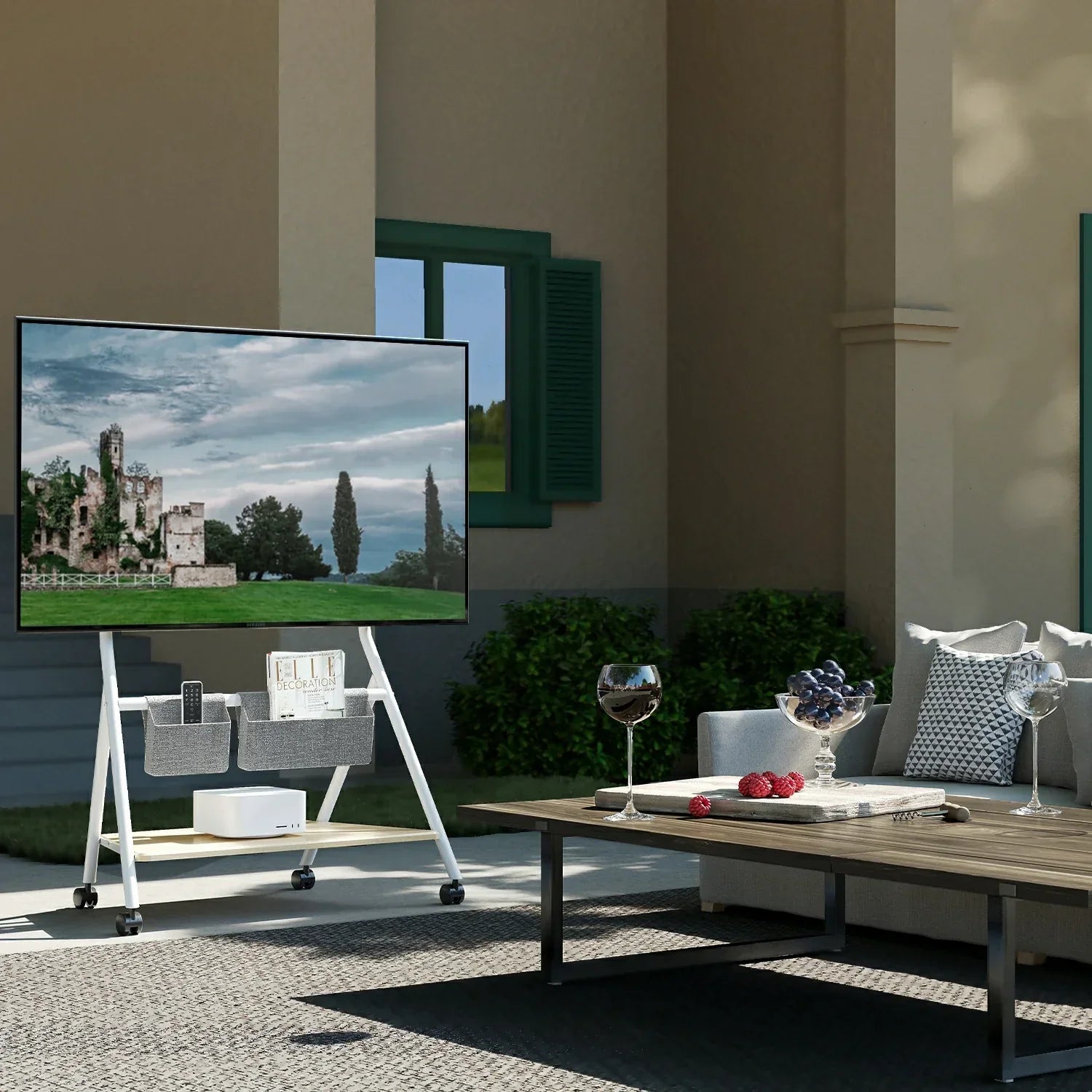
Designing the perfect open-air entertainment space is one of the best ways to upgrade your backyard, but it comes with a major dilemma: Should you place it on a freestanding patio stand, or mount your TV to a wall?
In most cases, a wall mount works better for a fixed, space-saving setup, while an outdoor patio TV stand is better if you want flexibility, easier placement, and the option to move the screen around.
Choosing the wrong setup can lead to ruined exterior siding, restricted viewing angles, or even tipped-over electronics. To help you make the right investment, this guide breaks down both options using a clear, side-by-side approach. We will also give you a practical decision matrix to help you pick the right setup for your patio.
When an Outdoor Patio TV Stand Makes More Sense?
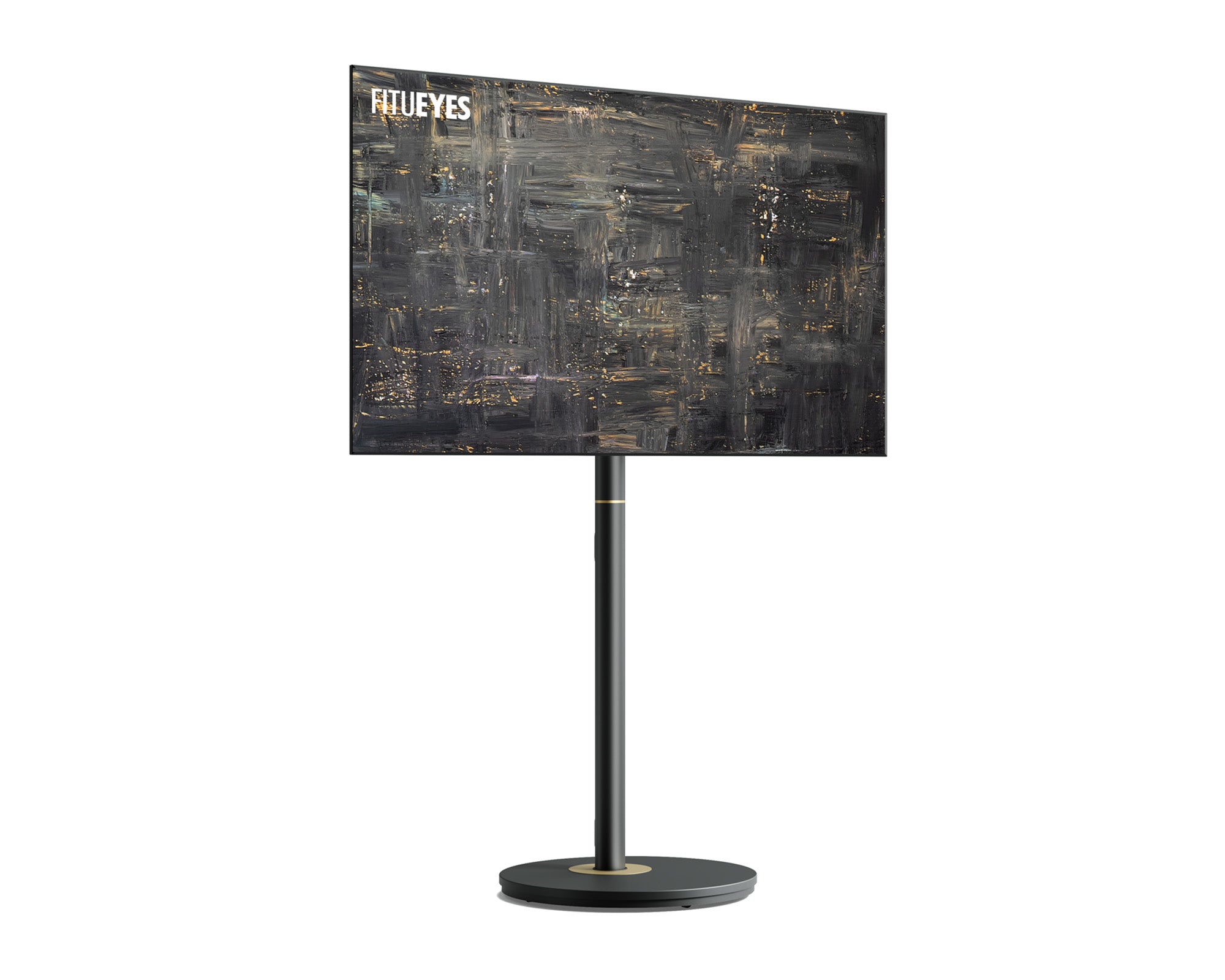
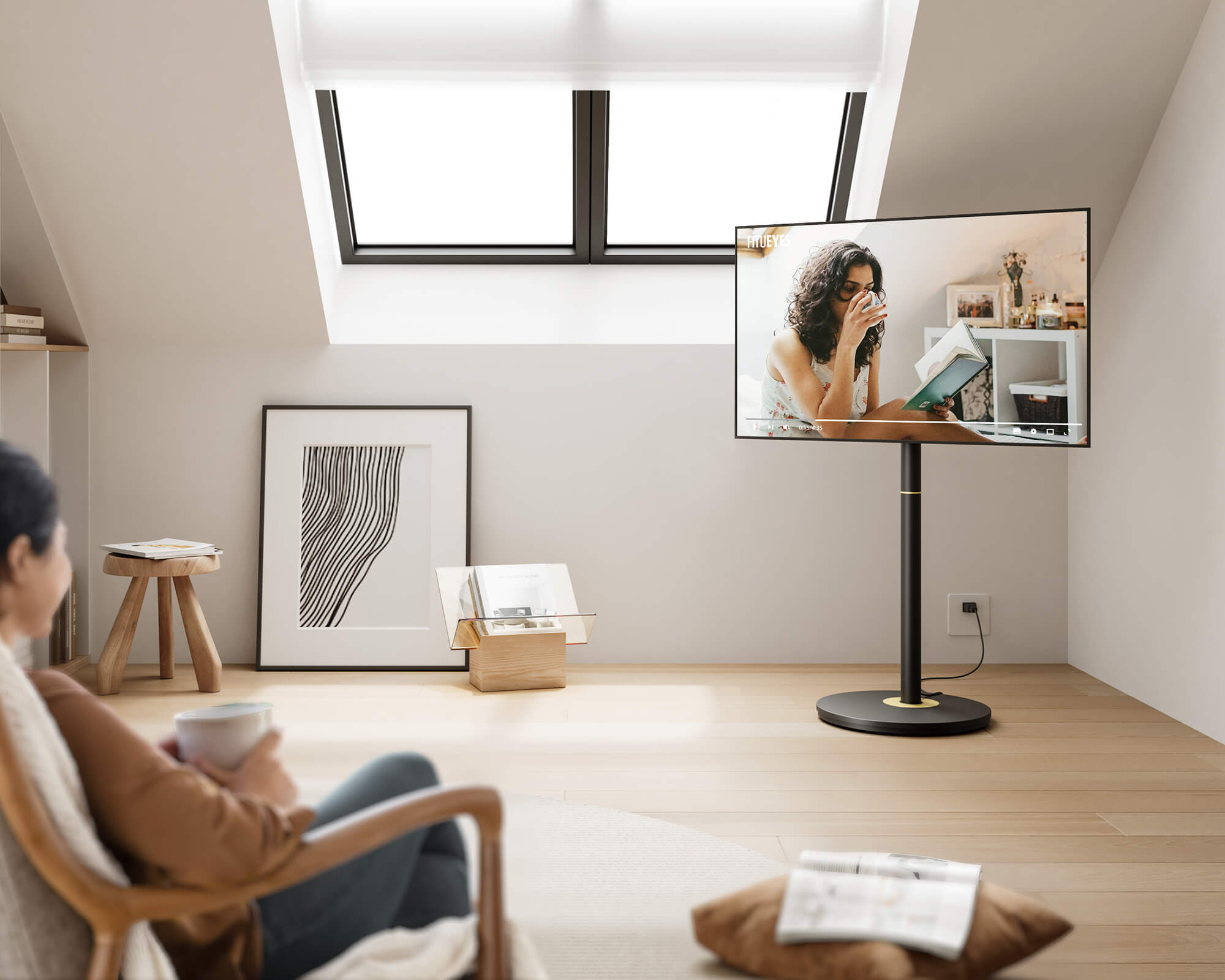
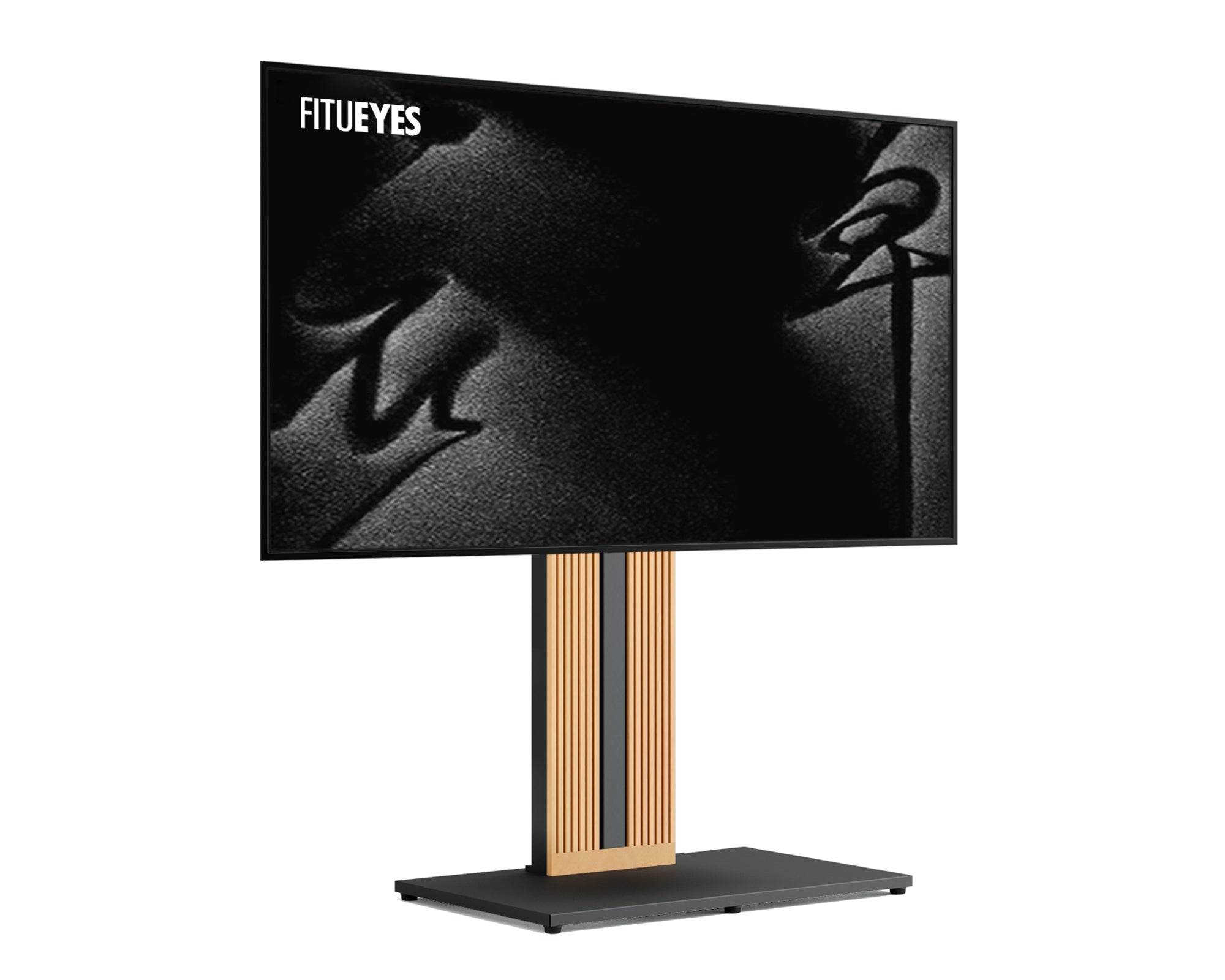
An outdoor patio TV stand makes the most sense when you want flexibility without turning your patio into a construction project. It works especially well for renters, changing outdoor layouts, and spaces where the best viewing spot is not on a wall.
A TV Stand Lets You Avoid Drilling
With an outdoor patio TV stand, you do not need to drill into brick, stucco, stone, siding, or any exterior wall. That matters because outdoor wall holes are harder to fix and can create moisture problems if they are not sealed properly.
This is a better choice if you rent your home, want to protect your exterior siding, or simply do not feel confident installing anchors into an outdoor wall. Just make sure the stand supports your TV size, weight, and VESA pattern.
A TV Stand Lets You Move the Screen
Outdoor watching is not always fixed in one place. You may want the TV near the dining table during a BBQ, closer to the couch for a game, or angled away from the sun in the afternoon.
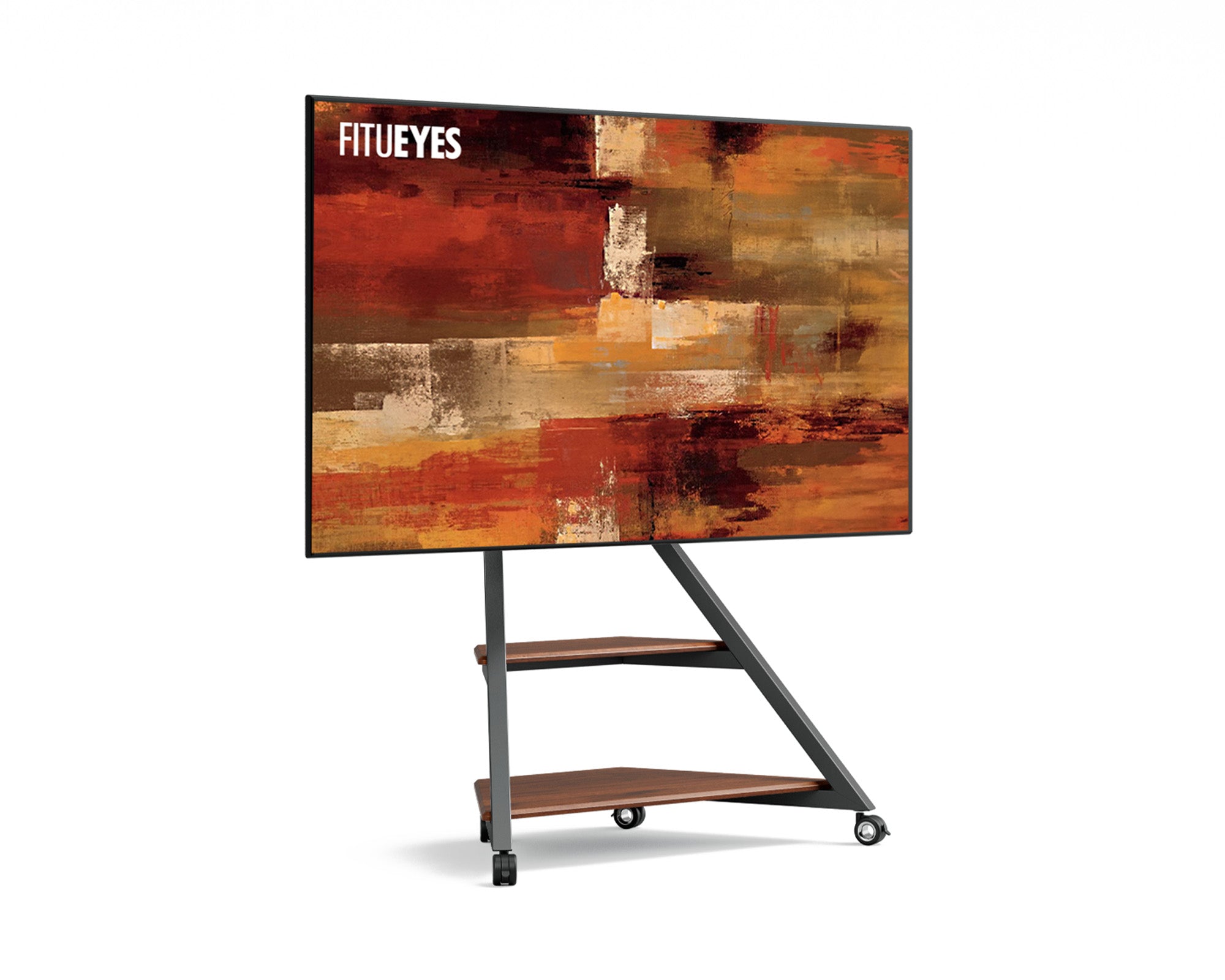
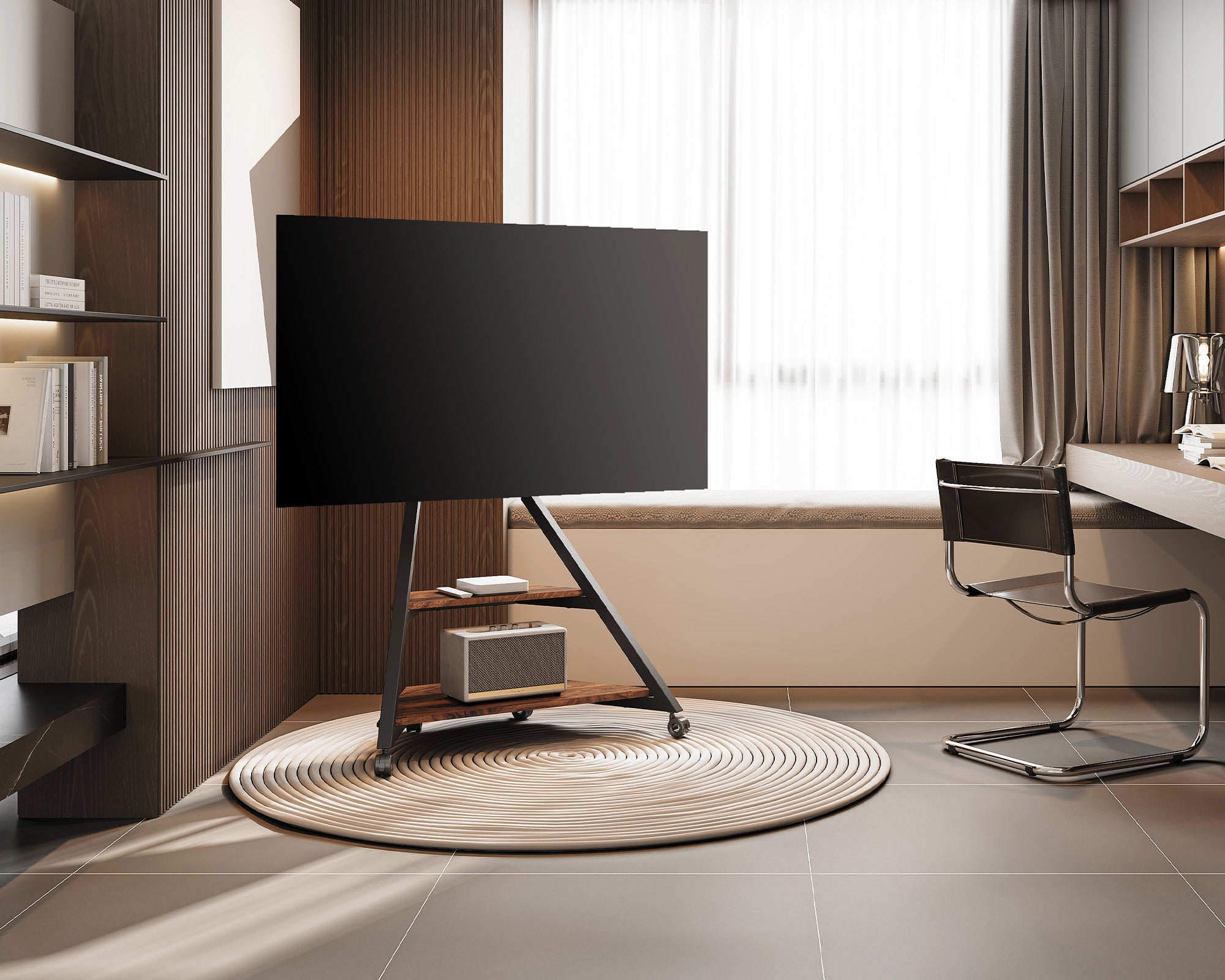
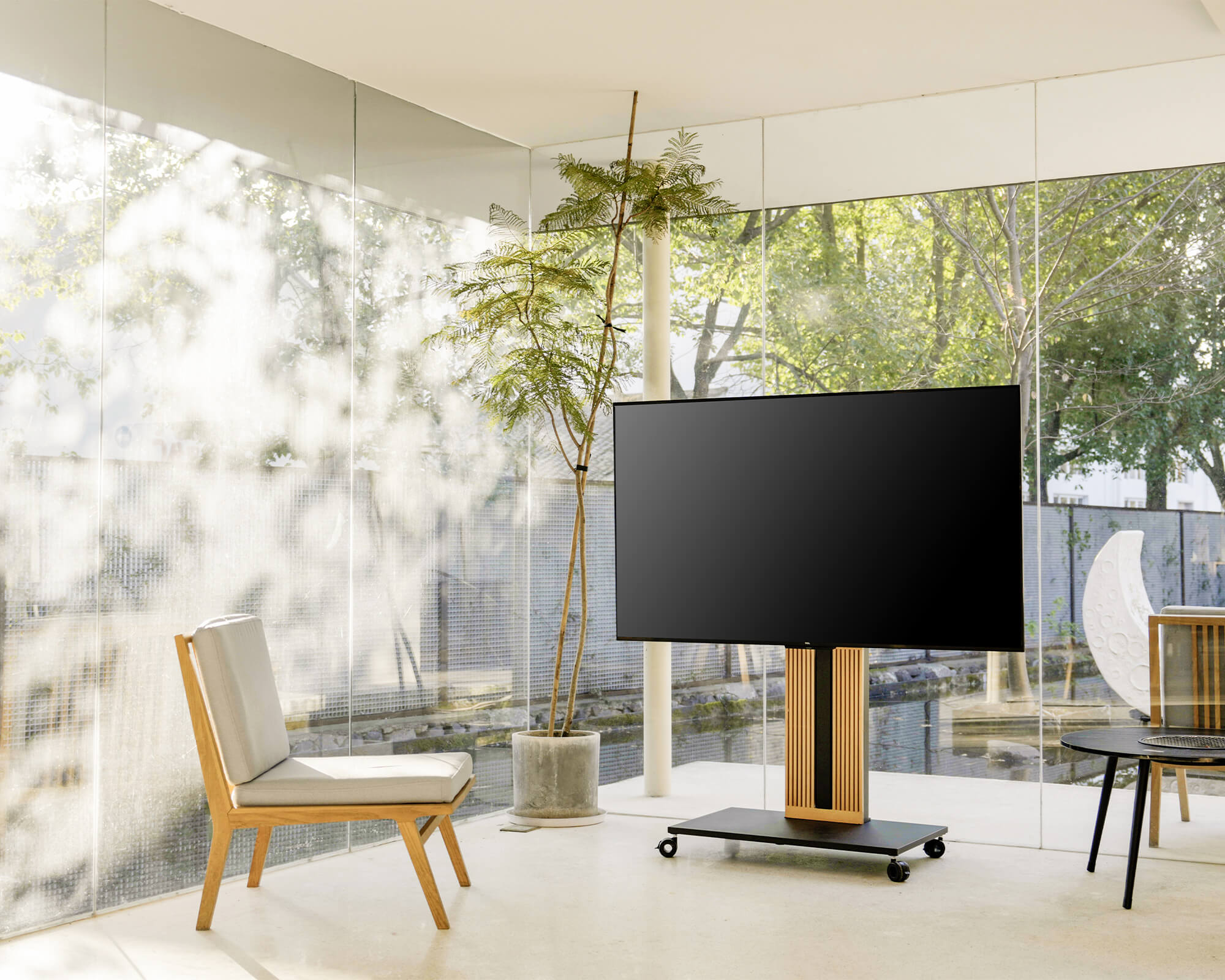
A mobile outdoor patio TV stand gives you that flexibility. For the best result, choose one with a wide base, lockable wheels, and adjustable height so the screen stays stable once it is in place.
A TV Stand Gives You More Layout Freedom
Patio layouts often change with the season. You may move your outdoor sofa, add a grill station, set up extra chairs for guests, or store the TV away during bad weather.
A wall mount locks the TV into one position. A TV stand keeps your options open. It is also useful when the available wall is too far from the seats, catches too much glare, or does not have a convenient power outlet nearby.
When a Wall Mount Works Better?
A wall mount works better when your outdoor TV setup is meant to be permanent. It is less flexible than a stand, but it can look cleaner, save space, and offer stronger support in the right patio conditions.
A Wall Mount Creates a Fixed Setup
If your patio has a permanent seating area, covered porch, pavilion, or outdoor kitchen, a wall mount can create a clean built-in look. Once installed, the TV stays in one place and does not need to be moved before or after each use.
This setup works best when you already know the ideal viewing height, distance, and angle.
A Wall Mount Keeps the Floor Clear
For small decks, narrow patios, and tight balconies, a TV stand base may take up too much walking space. In these cases, a wall mount is often the safer and cleaner option because it keeps the floor open.
This is especially helpful if your patio already has furniture, a grill, planters, or high-traffic walkways.
A Wall Mount Handles Wind Better
If your patio is open and gets strong wind, a fixed wall mount is usually more stable than a freestanding TV stand. This matters if the TV will stay outside for long periods or if the area is exposed to sudden gusts.
However, the mount should be rated for outdoor use. Look for weather-resistant materials, rust protection, and proper hardware for your wall type.

Outdoor Patio TV Stand VS Outdoor Wall Mount Comparison
Before we look at your specific patio layout, here is how both options stack up across core practical categories:
| Feature | Outdoor Patio TV Stand | Outdoor Wall Mount |
|---|---|---|
| Installation Effort | Low; basic tool assembly in 20–30 minutes. | High; requires heavy drilling into studs/masonry. |
| Wall Damage | Zero; no structural changes required. | Permanent; holes drilled into exterior walls. |
| Mobility | High; easily roll a mobile TV stand anywhere on the patio. | Fixed; permanently locked into one spot. |
| Floor Space Saved | Low; consumes floor footprint for the base. | Maximum; leaves floor space 100% clear. |
| Wind Resistance | Moderate; needs flat ground and locked wheels. | High; firmly anchored to the home structure. |
| Total Cost | Affordable; DIY-friendly with no extra fees. | Low hardware cost, but potentially high pro install fees. |
How to Choose the Right Outdoor TV Setup?
Now that you know how an outdoor patio TV stand and a wall mount work in real patio settings, the next step is to match the setup to your space. Use these simple scenarios to make a more practical choice.
If you rent your home or do not want to drill into brick, stone, stucco, or siding, an outdoor patio TV stand is usually the easier option. It lets you set up a TV without making permanent changes to the exterior wall.
If your patio is short on floor space or has narrow walkways where people often carry food and drinks, an outdoor wall mount may work better. It keeps the floor clear and reduces the chance of people bumping into the TV base.
If your patio is exposed to strong wind, or if kids and large pets often run through the area, a wall mount can offer better stability when installed correctly. A freestanding stand can still work in protected areas, but it should have a wide base, lockable wheels, and proper weight support.
If you want to watch TV from different spots, such as the grill, dining table, pool, or outdoor couch, an outdoor patio TV stand is usually more flexible. You can move the screen as your seating area or activity changes.
If you have a covered porch, outdoor kitchen, or fixed seating layout, a wall mount may give you a cleaner and more built-in look. This setup works best when the viewing position will stay the same for a long time.
Tips for Any Outdoor TV Setup
No matter which setup you choose, outdoor conditions still matter. A good patio TV setup should account for power safety, sun glare, moisture, and storage.
Manage power and cable safety. Use outdoor-rated outlets with GFCI protection and weatherproof covers. Keep cords close to the stand or wall frame so they do not create a tripping hazard.
Check the sun glare. Watch how the light hits your patio during the hours when you usually watch TV. A tilting or full-motion wall mount can help reduce reflections, while a mobile TV stand gives you the option to move the screen into a better position.
Do not rely on the patio roof alone. A covered patio helps, but humidity, condensation, insects, dust, and temperature changes can still affect the TV over time. For a permanent wall-mounted setup, an outdoor-rated TV is the safer choice. For occasional use with a stand, consider using a waterproof cover or moving the TV indoors after use.
By now, you have probably decided which setup fits your lifestyle best. But whether you choose a sleek wall mount or a flexible stand, knowing how to shield your screen from the elements is your crucial next step. Unsure how a sudden summer downpour or morning dew will affect your new backyard setup? Read our essential breakdown on Can Outdoor TVs Get Wet? A Guide to Waterproofing, Protection, and Common Myths to safeguard your electronics and protect your open-air investment with absolute confidence.

A More Flexible Way to Set Up Your TV
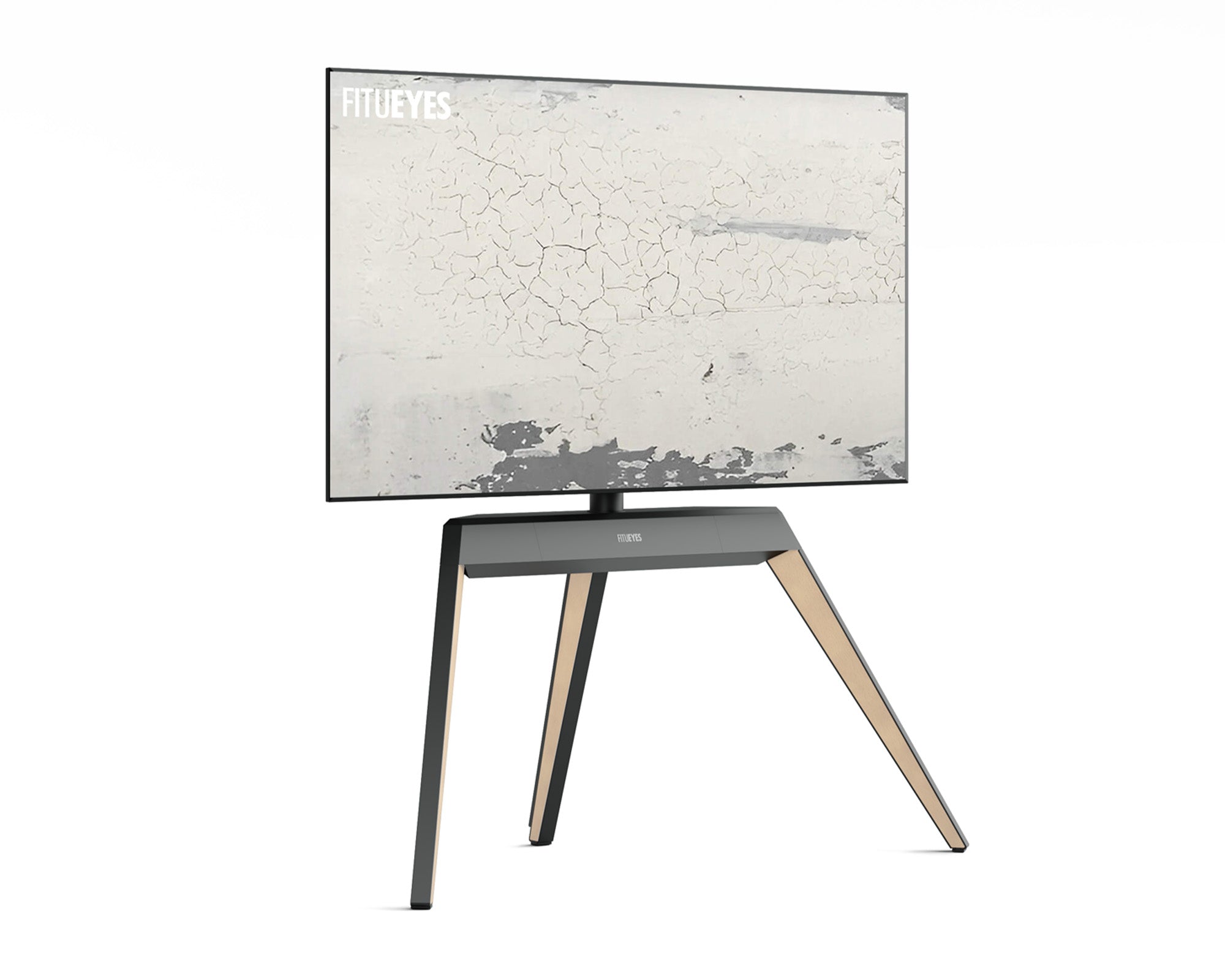
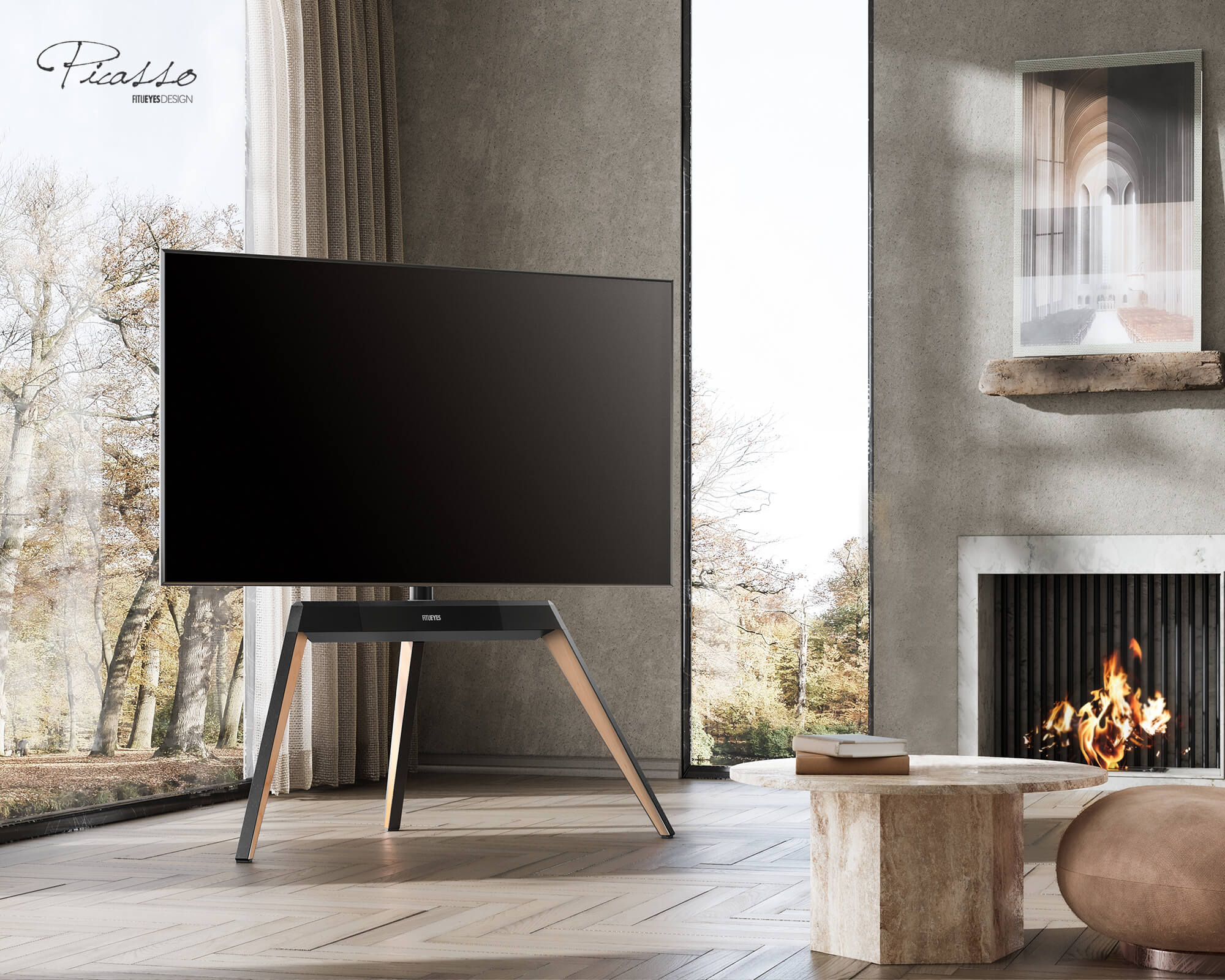
FITUEYES creates TV stands that bring together stability, flexibility, and modern design. Since 2016, we have focused on helping people build cleaner, more comfortable spaces without being limited by fixed layouts.
From indoor rooms to outdoor entertainment areas, our TV stand solutions make it easier to move, adjust, and enjoy your screen wherever life happens.
FAQs
1. Is an outdoor patio TV stand safe?
Yes, as long as it is rated for your TV's size and weight. For maximum safety, always place the stand on a completely flat surface, engage the dual-locking wheel casters, and choose a frame made of heavy-duty, powder-coated steel to resist tipping.
2. Can strong winds knock over a TV stand?
Yes, severe weather or sudden high wind gusts can tip a freestanding stand. To mitigate this, keep the stand in a sheltered area on breezy days, and always roll the entire setup indoors if a severe storm is forecasted.
3. Can I use a regular indoor TV outside?
You can use a regular indoor TV outside temporarily on clear days, but you must bring it inside when you are done. Leaving a regular TV mounted outside permanently will expose it to moisture and humidity, instantly voiding its warranty and causing electrical failure.