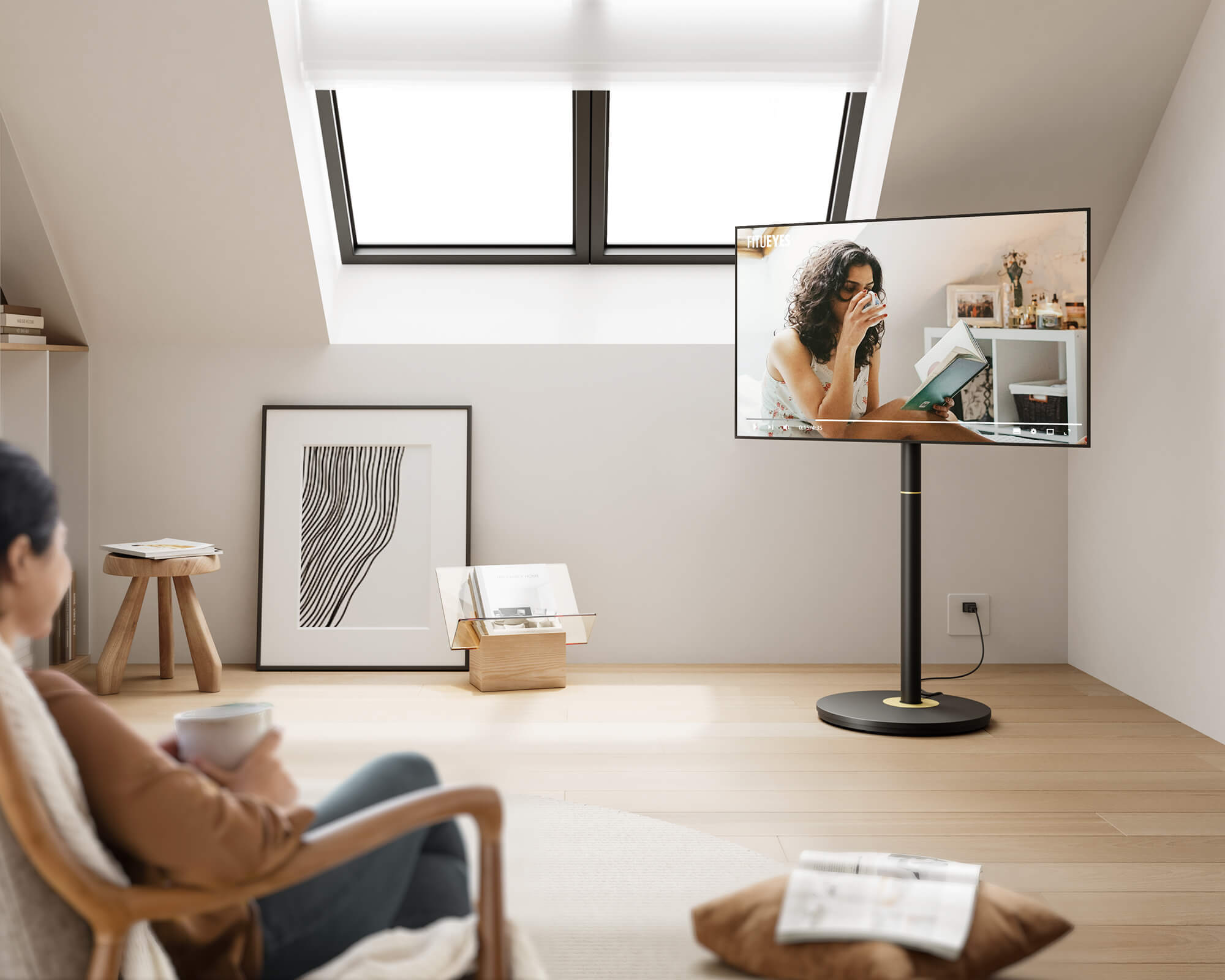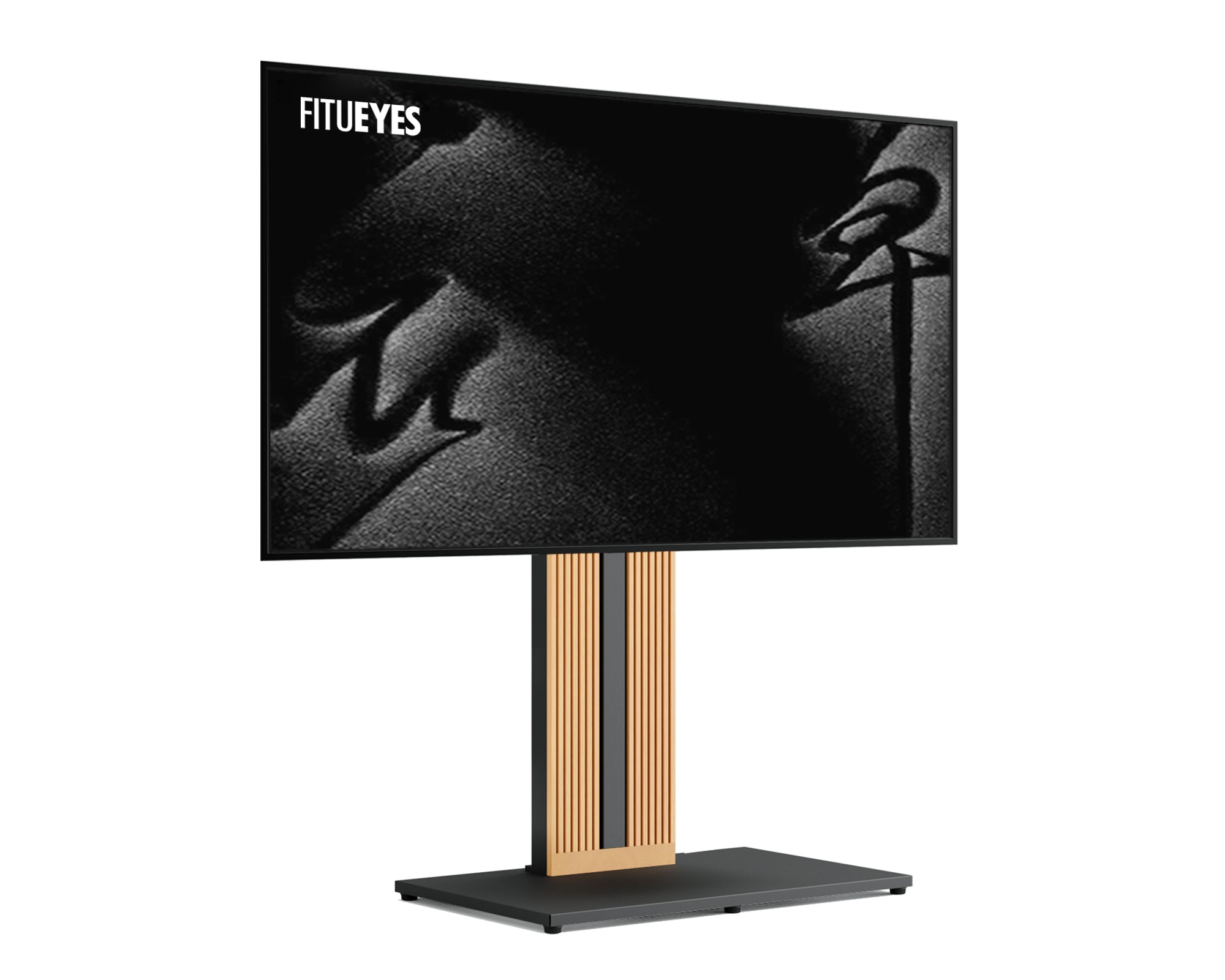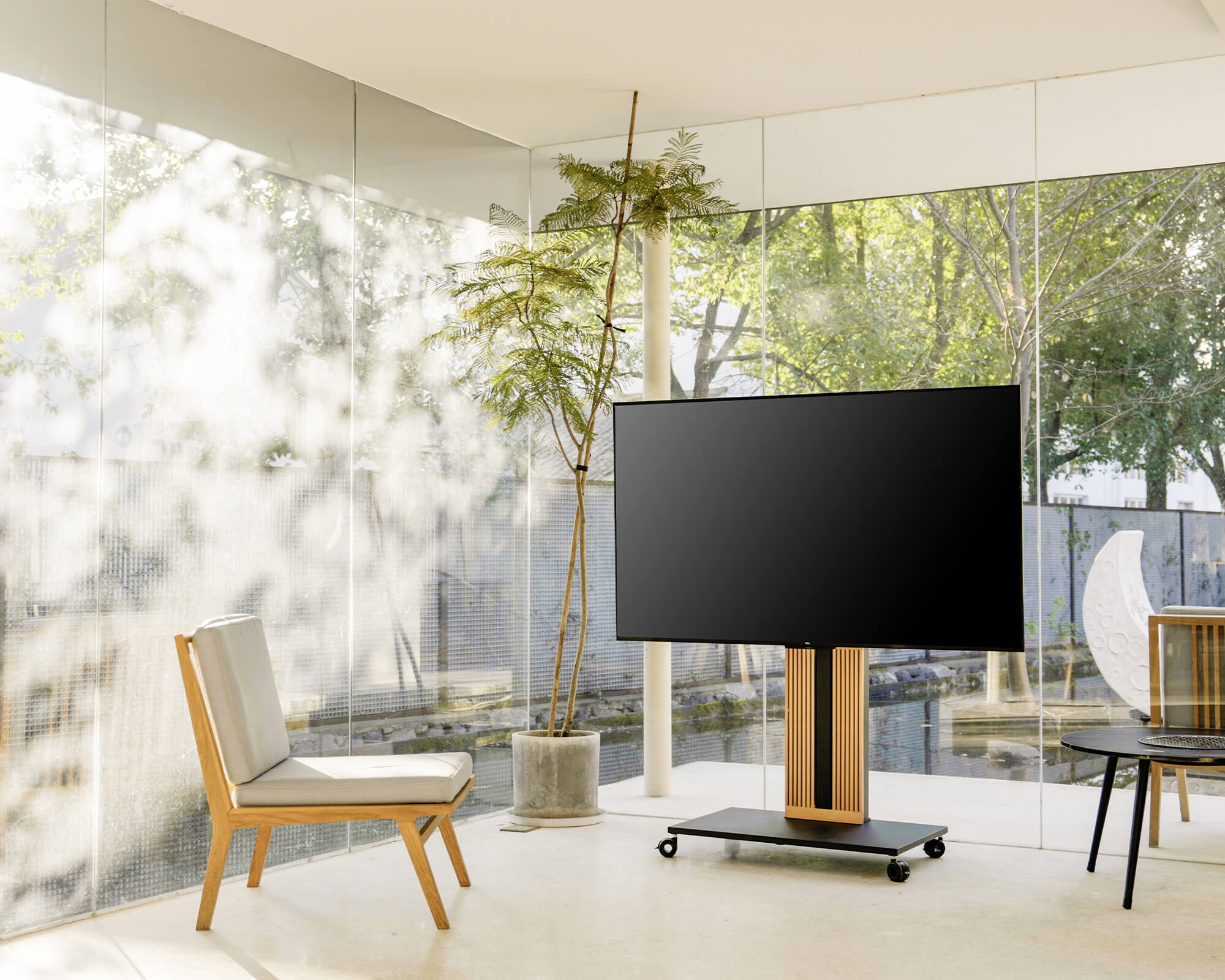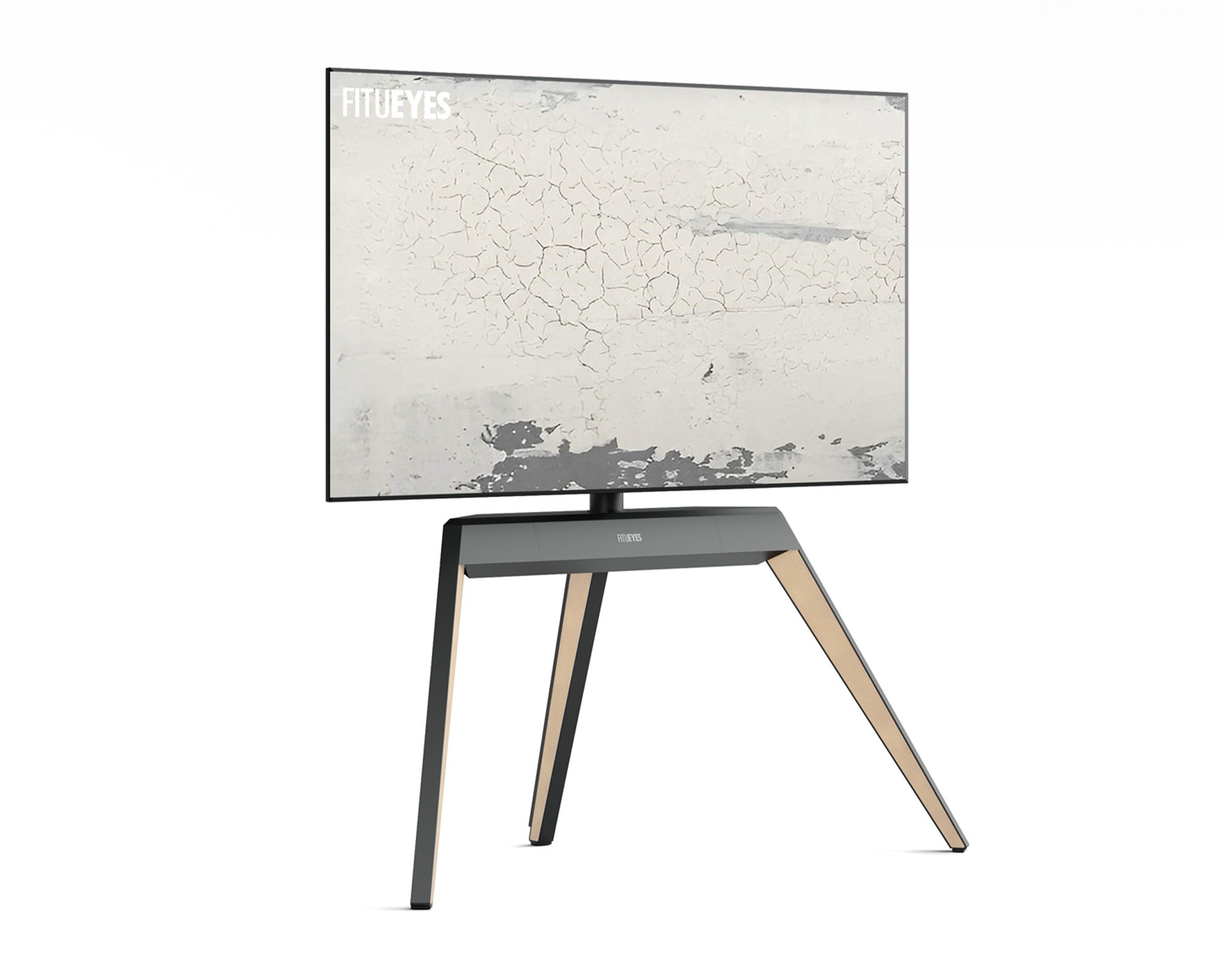



For reclined viewing, position the TV where you can see the whole picture comfortably while your head and back remain supported. The right height depends on your resting posture, viewing distance, and anything between you and the screen. Measure from the floor to the center of the screen, rather than to its bottom edge or the top of the stand.
Reclining can change both your eye height and the direction of your gaze, but it does not automatically mean the television should be higher. Start with the position you maintain through most of a program, test where the picture belongs, and then choose a support that can reproduce it.
TV Height for Watching From Bed
Watching from bed involves more than mattress height. Your pillows, headboard, footboard, and shoulder support affect where you naturally look. Sitting against the headboard may produce a different viewing direction from reclining farther down the mattress, so use your normal pillow arrangement rather than adding support solely to accommodate the television.
If a TV is already installed, check the actual picture from your usual resting position. Notice whether you lift your head, draw your chin down, or lose sight of the lower screen. For a planned installation, place a reference at the intended screen location. Use a wall outline only when the television will sit close to that wall; a freestanding screen farther into the room needs checking at its actual position.
Two conditions determine whether the proposed height works:
- An unobstructed picture: Check whether the footboard, normal bedding, or raised feet hide the lower picture. A higher placement may clear them, but it must also remain comfortable to watch.
- A supported resting posture: Keep your head and shoulders supported while looking across the screen. If you need to hold a different head position, adjust the proposed placement and check again.
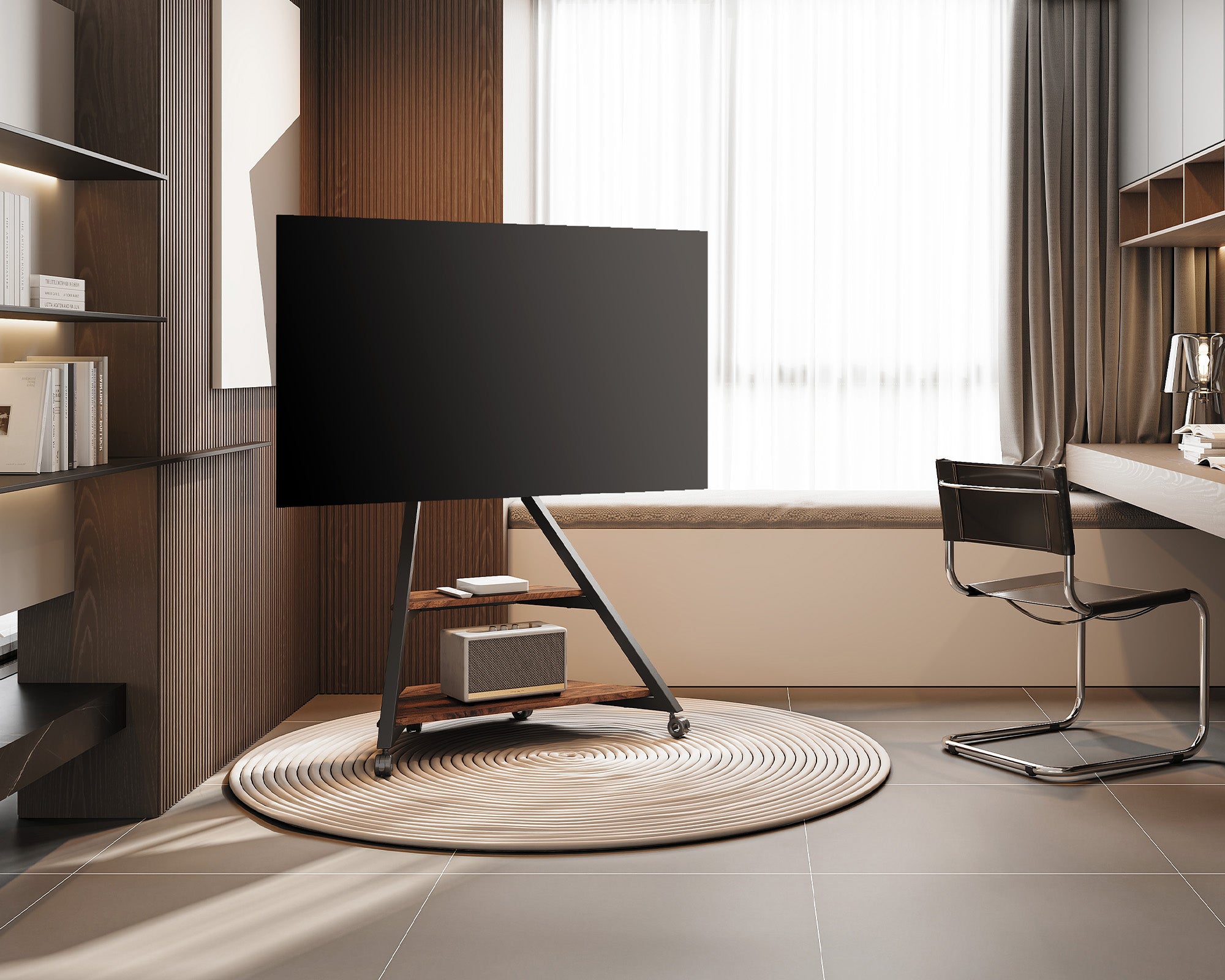
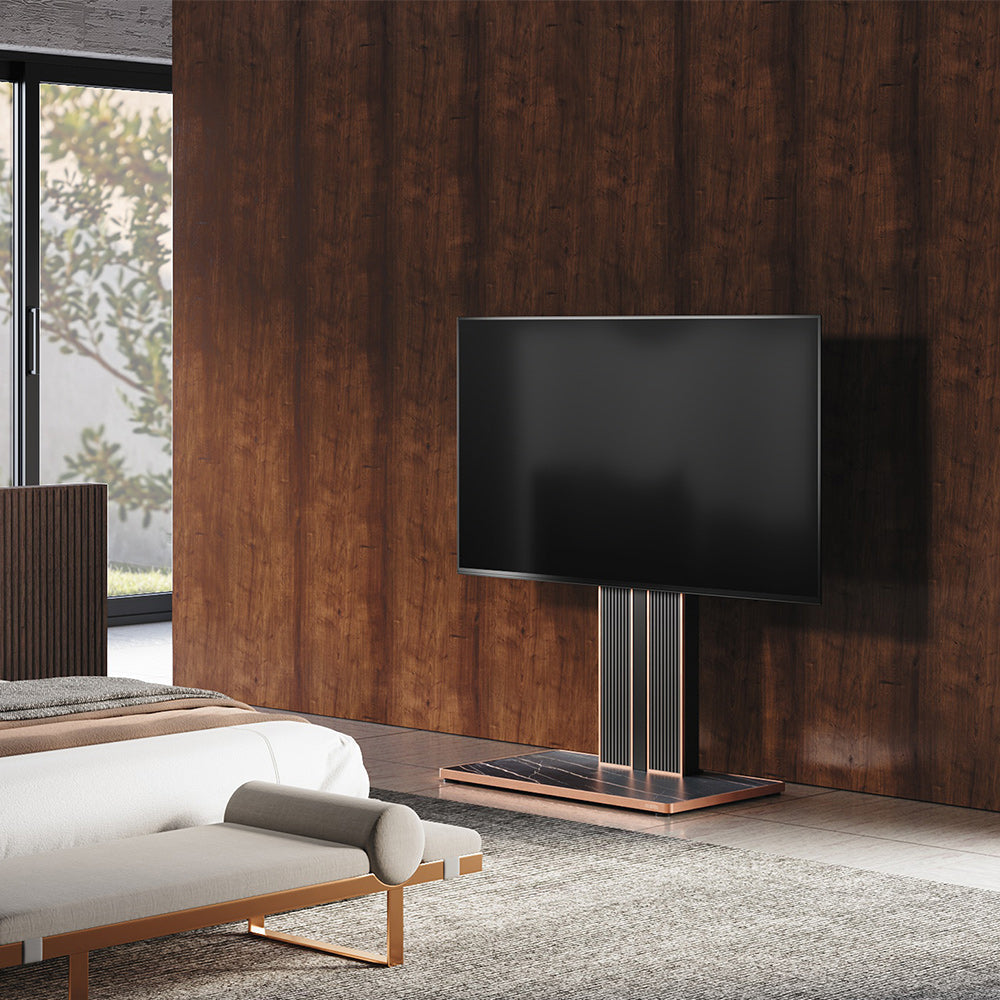
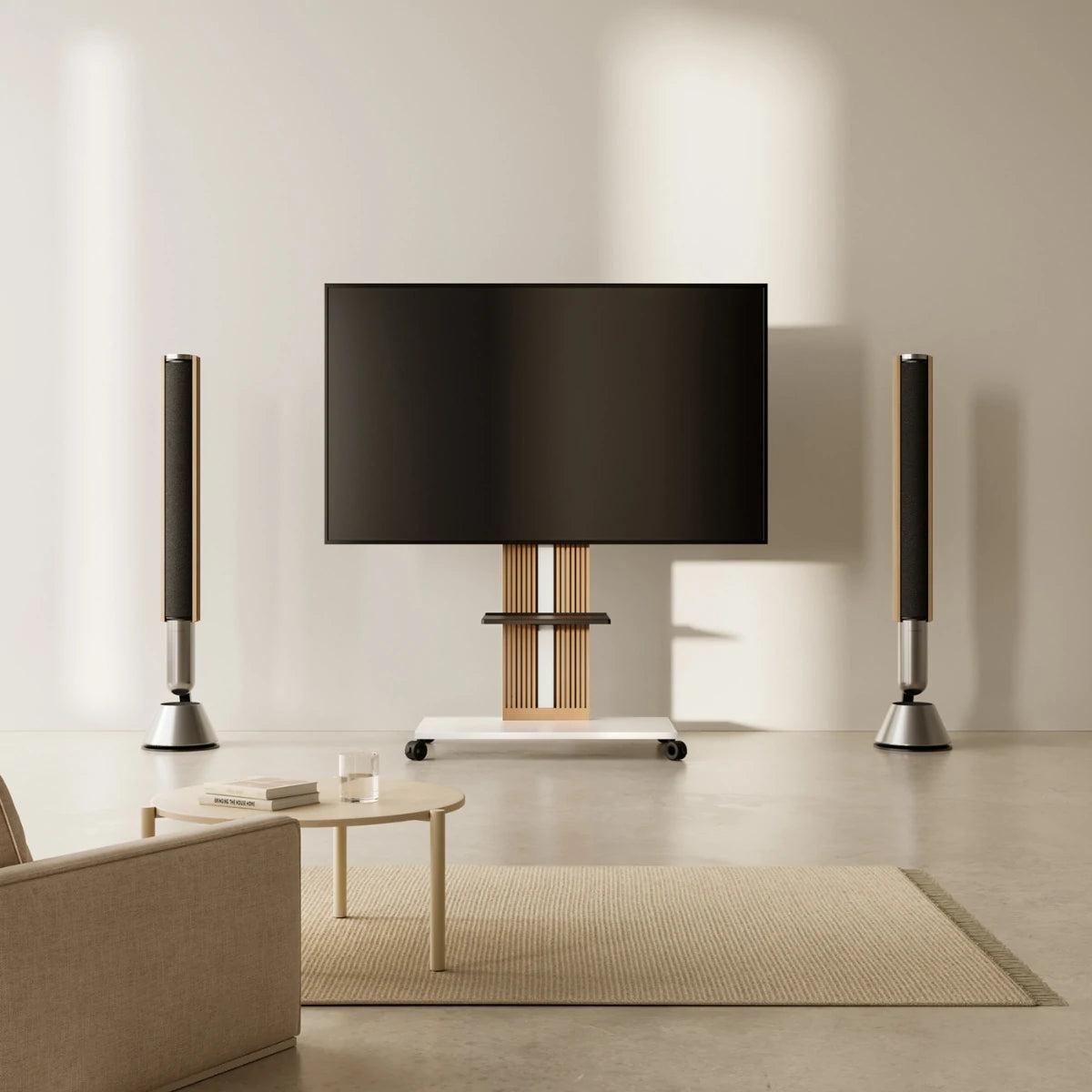
A bedroom TV may need to move aside to keep the foot of the bed clear during the day. In that situation, compare mobile TV stands by whether their screen positions reach your tested height and their bases fit the available space. Check the movement route, cable reach, and operating instructions separately. Wheels provide relocation; they do not establish whether the screen can tilt.

TV Height for Recliner Chairs
A recliner changes your position as the backrest lowers and the footrest rises, but the viewing result depends on how the headrest supports you. Your body may lean backward while your face remains directed forward. The chair’s angle alone therefore cannot determine the television’s height.
Start with the setting you use for most of a program. Rest your head against the headrest, relax your shoulders, and look toward the screen without deliberately lifting or tucking your chin. Check the complete picture with the footrest as you normally use it, including whether your knees or feet interrupt the lower edge. For an installed television, record its screen-center height as a reference before considering changes. For a planned setup, adjust the reference position first, then measure it.
If you regularly switch between partial and full recline, test both while keeping the screen reference unchanged. Both should allow a clear picture with your head supported. If one setting fails, try another screen position or adjust the chair’s placement, then repeat both checks. Prioritize the posture used for sustained viewing while confirming that the secondary setting remains usable.
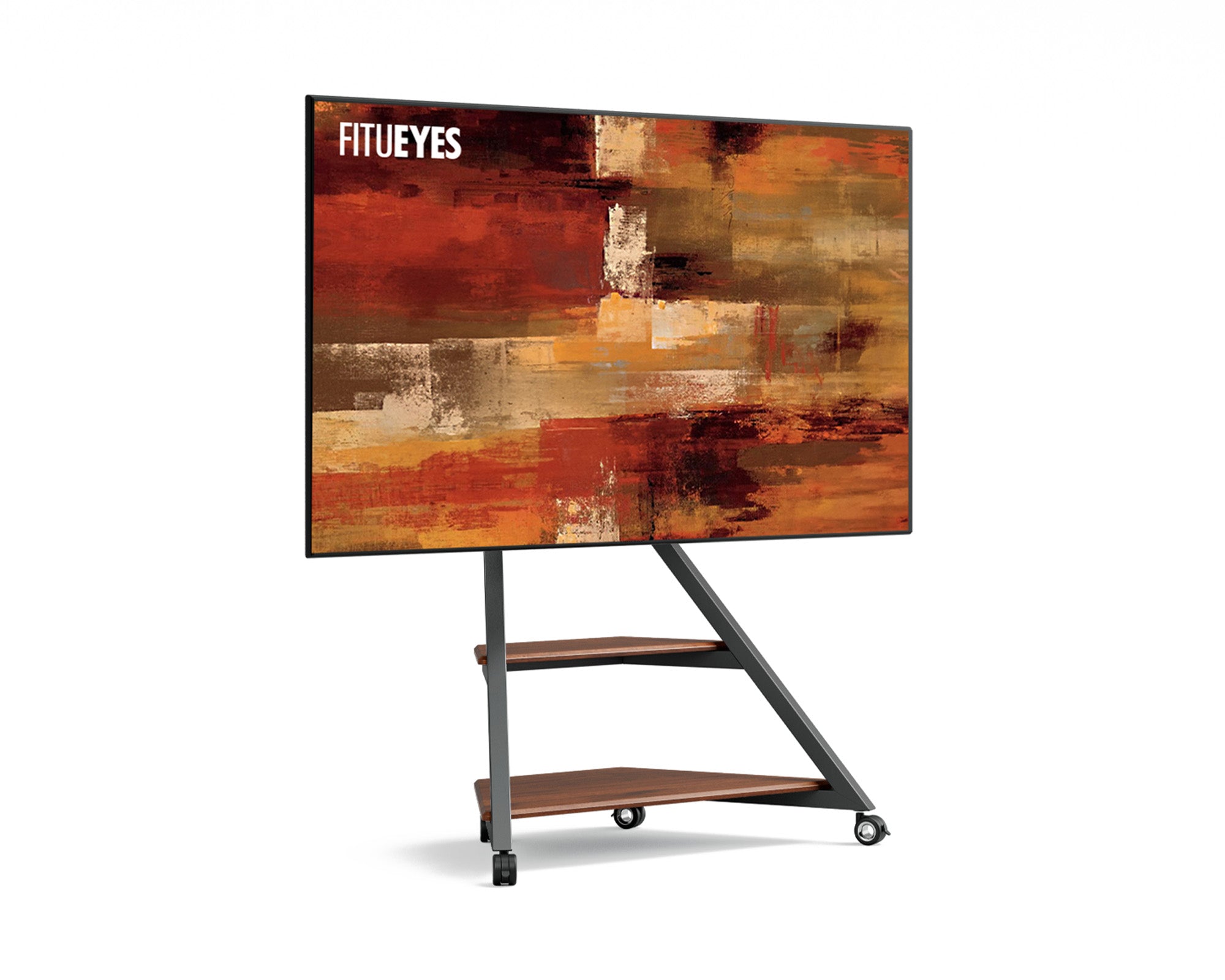
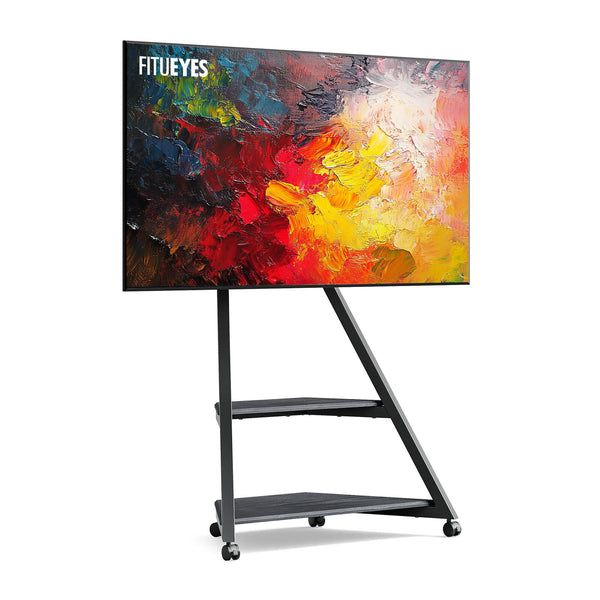
When the screen position works but its vertical orientation needs adjustment, the Eiffel FT75 TV stand offers 5° upward and 15° downward tilt, plus 15° swivel to either side. Tilt changes the direction the screen faces vertically; swivel can turn it toward a chair placed slightly off-center. Neither compensates for an unsuitable screen position. Confirm that the stand can achieve your tested height with your television, and check weight, VESA compatibility, and adjustment instructions before choosing it.
TV Height for Deep Sofas
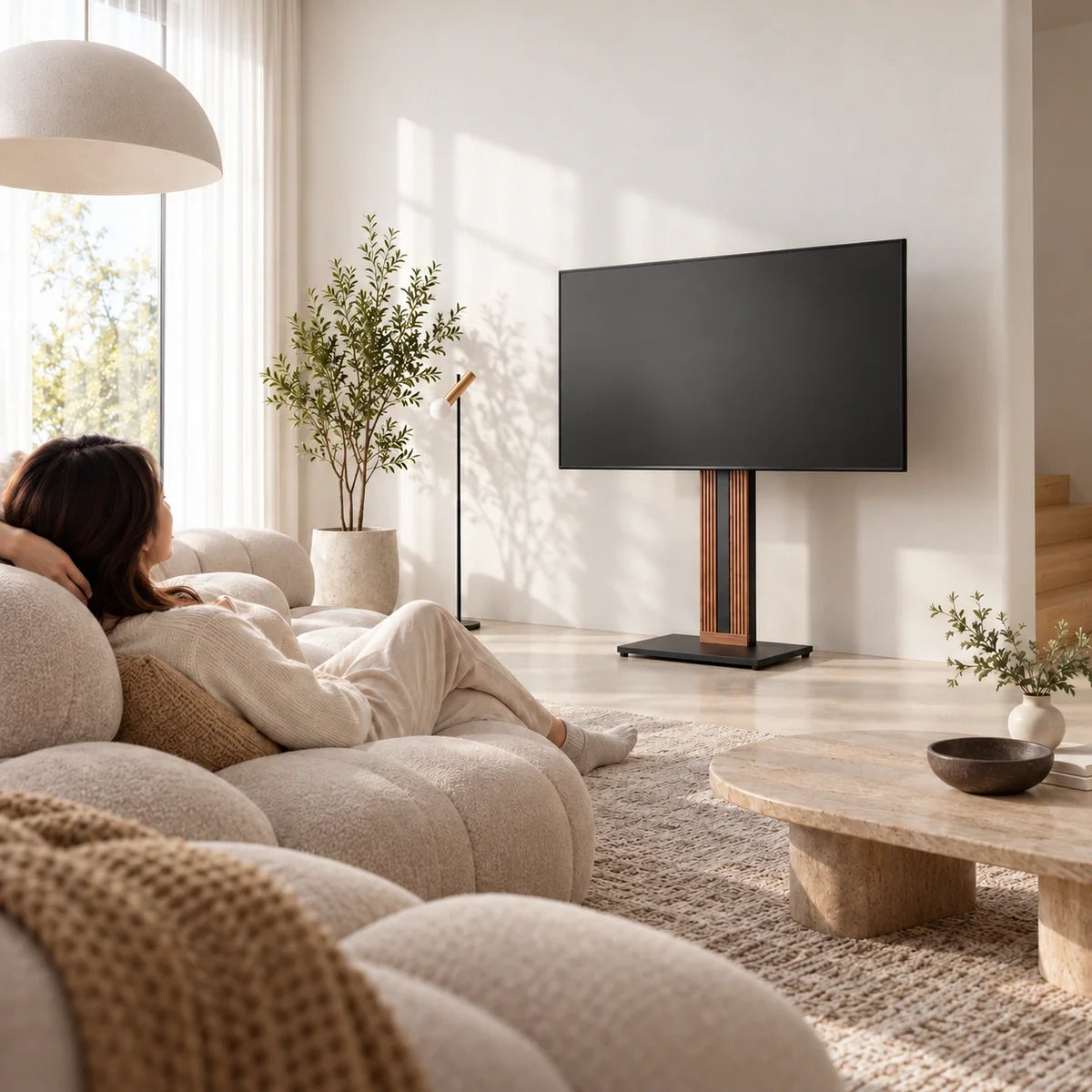
Deep cushions and relaxed lounging can lower your eyes compared with upright sitting. Your viewing direction also depends on whether your head rests against the backrest, a separate cushion, or an armrest. Settle into your normal position and let the cushions compress before checking the screen. Measuring while perched on the front edge will not represent watching from farther back.
From that resting position, find the screen-center location that lets you view the picture without changing your head support. If you also lie sideways with your head on an arm cushion, test that posture separately without moving the television reference. It may require a different position from sitting against the sofa back. Give priority to the posture used most often rather than assuming one height will accommodate every way of lounging.
Do not add a fixed number of inches to your eye height simply because you are reclining. Your supported head position and distance from the screen determine the result. Once a candidate position works, measure from the floor to its center so you can compare it with a support’s available settings.
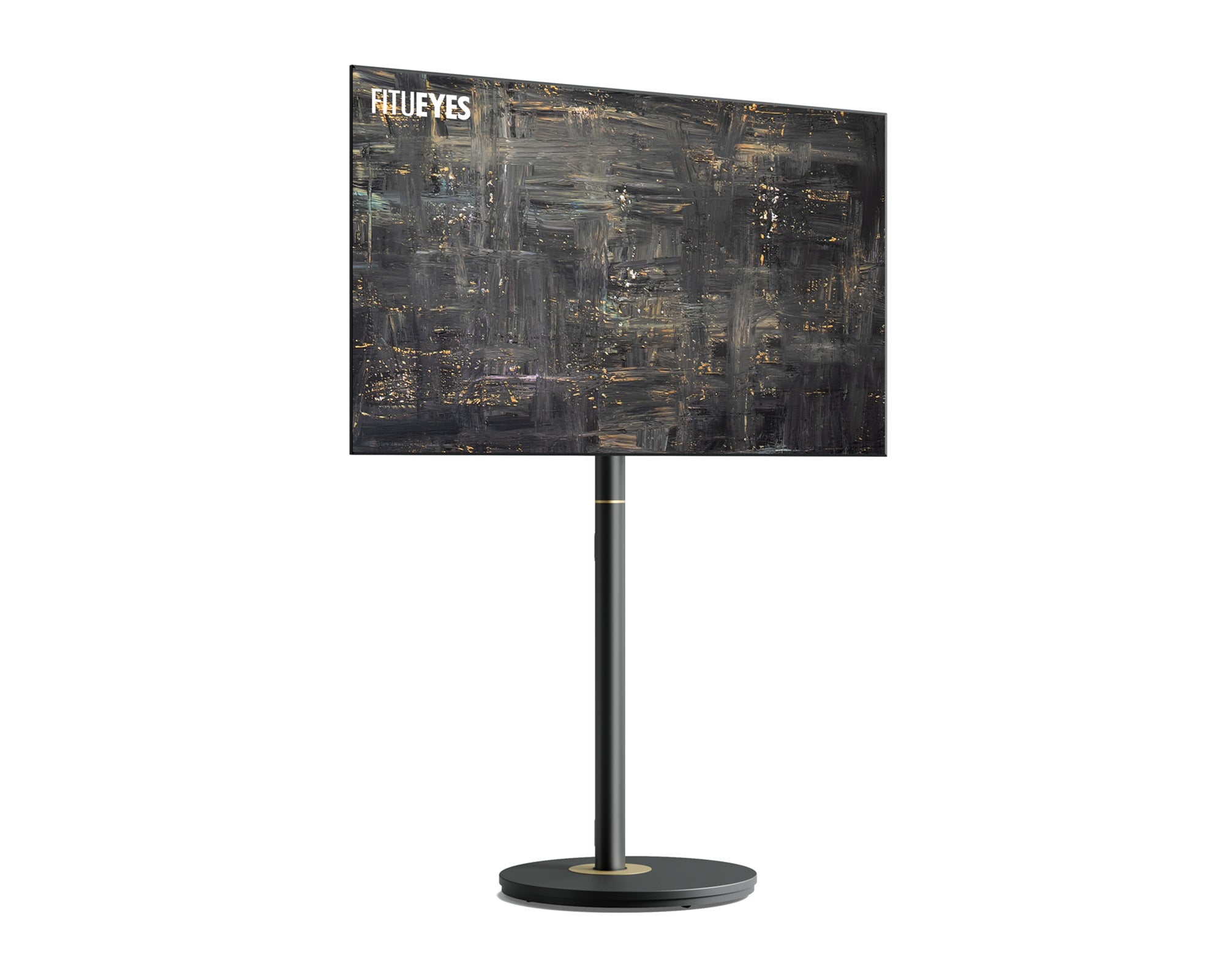
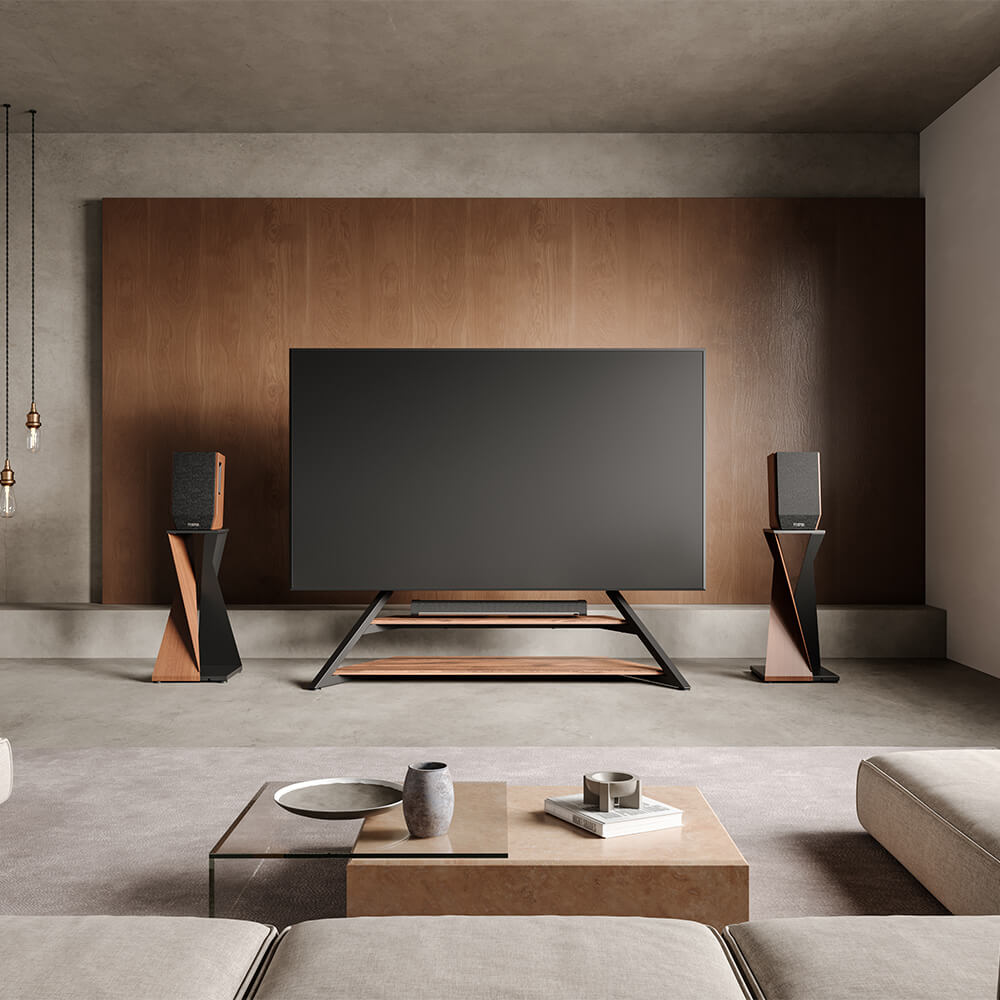
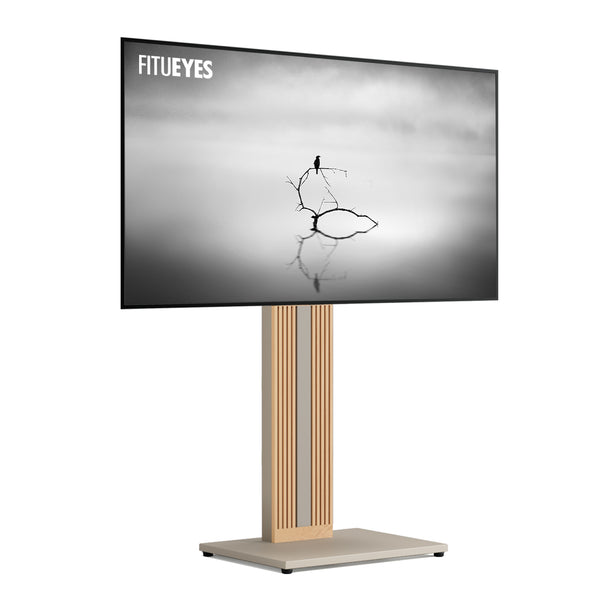
For a setup where the television needs to stand independently of the sofa and face a slightly off-center seat, the Zen FT65 TV stand combines five height settings with 15° swivel to either side. Its published screen-center range of 41.3–49.2 inches (105–125 cm) gives you specific positions to compare with your measurement, while swivel turns the picture toward your usual seat without relocating the stand. Confirm the actual installed screen position, television weight, and VESA compatibility; height adjustment should follow the instructions rather than be treated as an automatic part of changing posture.
Can Your Chosen Support Achieve the Tested Screen Position?
Once a candidate position feels comfortable, check it against the full television dimensions. A larger screen extends farther above and below the same center point, so a position tested with a smaller television needs checking again. For a planned installation, expand the center reference into an outline at the intended screen location and apply the checks for your bed, recliner, or sofa. With an installed television, use the actual picture.
Use the visible screen area to judge picture visibility and the complete television body to check physical clearance. If you are unsure which dimensions to use, this guide explains how to measure a TV. The advertised diagonal alone cannot tell you where the lower picture or outer frame will sit.
Next, compare the tested position with the support’s installation measurements. With original TV feet on a console, the tabletop height and the feet determine the picture’s position. With a VESA stand or wall mount, the mounting-hole location affects the installed screen height. Check the diagram rather than treating bracket height or overall stand height as screen-center height.
Compare floor TV stands against that target position, then verify the television’s weight and VESA pattern. If a fixed cabinet or mounting location forces the screen away from the position you tested, reconsider the location or support. A feature such as swivel or tilt is useful only when it addresses the direction that needs changing.

A Screen Position That Fits Your Resting Space
The ideal TV height brings together a supported posture, a fully visible picture, and a support that reaches the tested position. Establishing those conditions first prevents a stand’s appearance or overall height from deciding where you have to look. It also clarifies which adjustment features matter in your room.
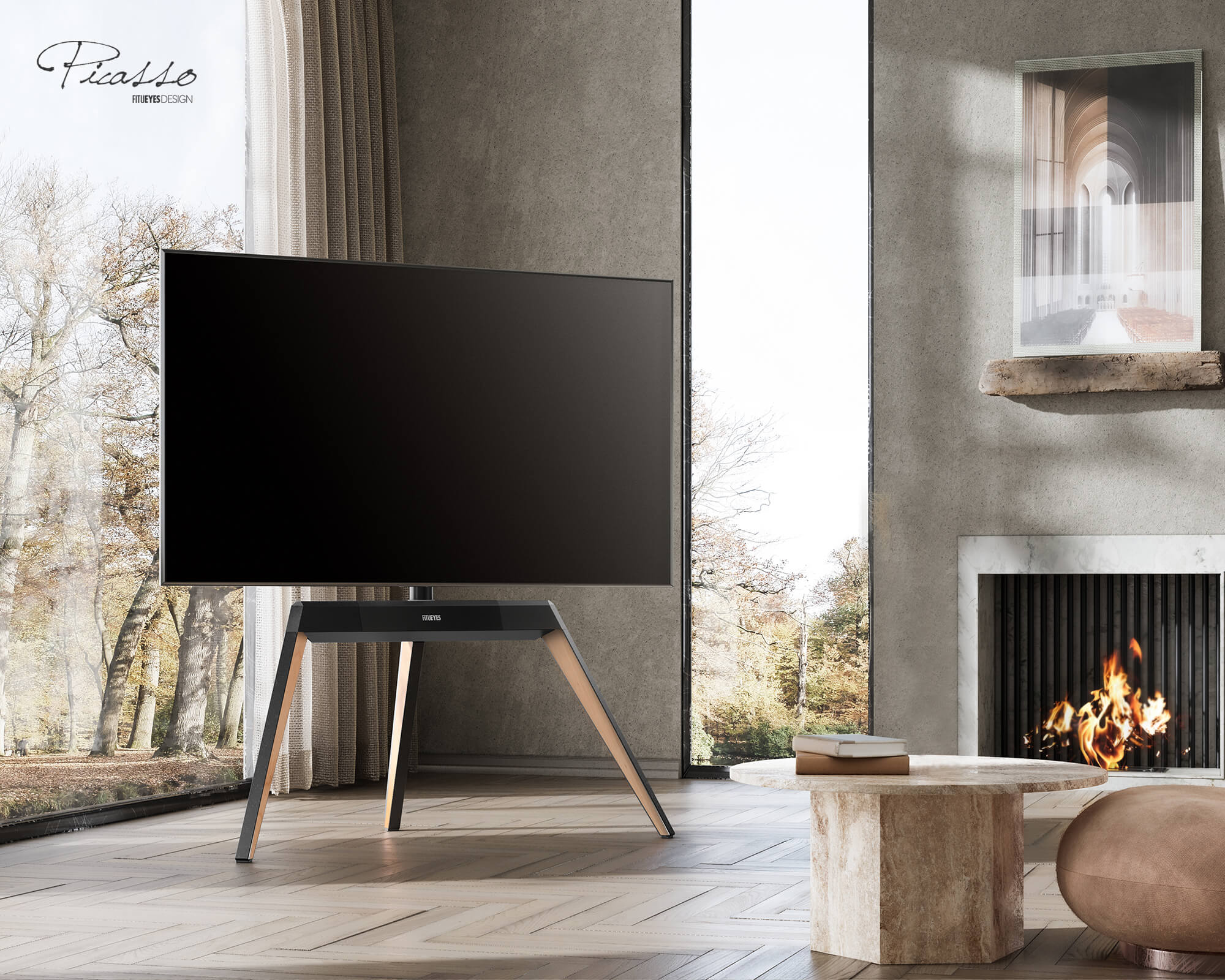
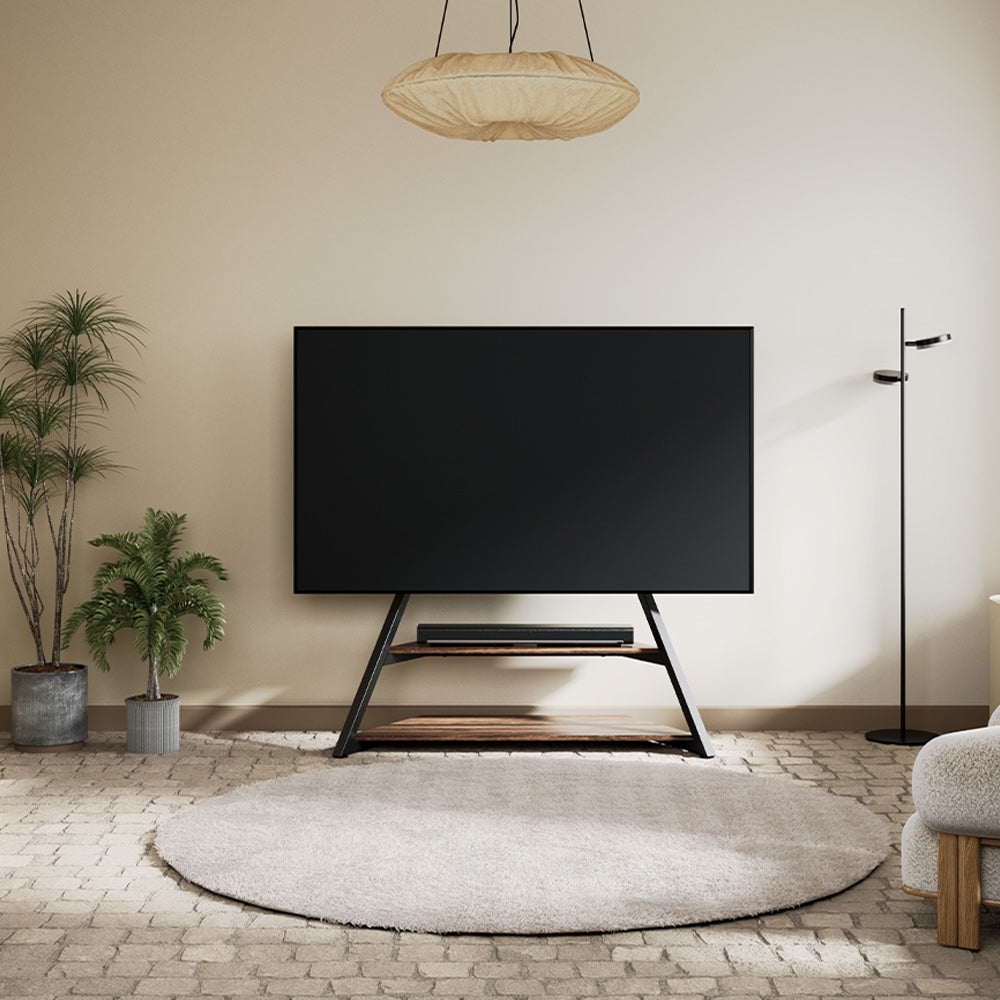
Once the screen position is settled, choose a stand that brings it into the room naturally. FITUEYES offers designs with defined height settings and concealed cable routing, helping you position the television beside a bed or sofa while keeping its connections organized. Use your tested height and available floor space to narrow the options, then choose the finish and shape that suit your furniture.
FAQs
How Do You Set One TV Height for Two People?
Test the same screen position from each person’s usual supported posture. If there is no position where both can see the whole picture comfortably, try changing individual seating or back support and repeat the check. For people who watch separately, a stand designed for routine height adjustment may allow different settings; confirm how it adjusts and whether adjustment with the TV attached is permitted. Simultaneous viewing still requires a shared workable position. If one cannot be found, reconsider the seating arrangement or television location.
Should You Recheck TV Height After Replacing a Mattress or Cushions?
Yes. Settle into the new support and use the existing television position as your reference. Check your resting head position and whether bedding or furniture now covers the lower picture. Firmness changes how far you sink, so adding or subtracting the difference in mattress or cushion thickness alone may not predict the result.
Should a Bedroom TV Be Centered on the Wall or the Bed?
Prioritize your viewing position over the center of the wall. Check the proposed location while resting against your usual pillows. If watching requires you to keep your head turned sideways, move the proposed position closer to your viewing direction or consider a support that can swivel toward you. Once the horizontal position works, recheck height from that same posture. A visually centered wall arrangement is useful only if it also provides a comfortable view from the bed.